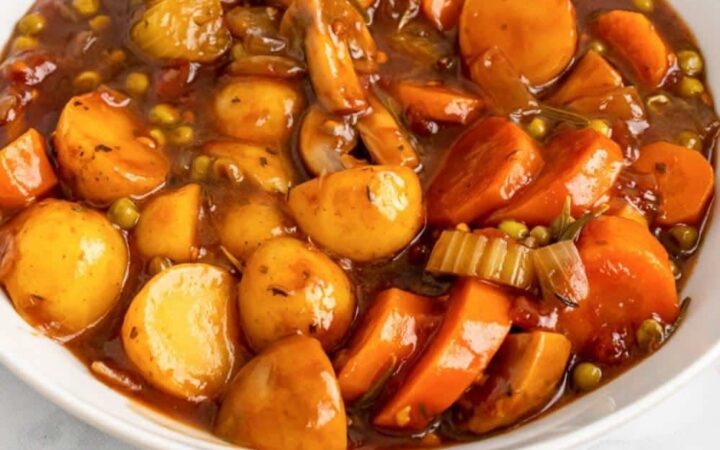

The first cold morning arrives quietly, and suddenly the market stalls shift color overnight. Squash the shade of late sunlight, parsnips still dusted with soil, apples that snap when you bite them. This tray bake was born from that particular week of October when I wanted dinner to smell like the season without standing at the stove.
Advertisements1
Roasting is an old bargain: you give the oven an hour of patience, and it gives you back sweetness you could not have coaxed from a pan. The maple syrup does not just sweeten here; it helps the edges of the squash caramelize into something lacquered and deep, while thyme keeps the whole pan from tipping into dessert.
Everything goes onto one sheet pan, which means the oven does the work and you get to stand by the window with tea, watching the light change. This is the kind of meal I make twice in a week and never tire of.
Why You'll Love This Recipe
About the Ingredients
1 medium butternut squash (about 2 1/2 lb / 1.1 kg), peeled, seeded and cut into 1-inch cubes
Look for squash with a matte, unblemished rind and a heavy feel for its size. If butternut is unavailable, delicata or red kuri squash work beautifully and need no peeling.
1 lb (450 g) parsnips, peeled and cut into 1-inch batons
Choose small, firm parsnips, since large ones have woody cores you may want to trim out. Carrots or golden beets are a fine substitute if parsnips are out of season.
2 medium red onions, cut into 1-inch wedges through the root
Keeping the root end intact holds the wedges together during roasting. Yellow onions or thick leek rounds will also work here.
2 crisp apples (Honeycrisp or Braeburn), cored and cut into 1-inch wedges
Firm, tart-sweet apples hold their shape; soft varieties turn to mush. If you only have Granny Smith, add an extra teaspoon of maple syrup to balance the tartness.
3 tbsp (45 ml) olive oil
Regular, not extra-virgin, is ideal since it tolerates the oven heat without turning bitter. Avocado oil is a good high-heat substitute.
2 tbsp (30 ml) pure maple syrup
Use real maple syrup, not pancake syrup, which is mostly corn syrup and will burn. Honey works as a substitute but browns faster, so check the pan five minutes early.
1 tbsp fresh thyme leaves, plus a few sprigs for finishing
Strip the leaves by pulling the stem backward between your fingers. Dried thyme can stand in; use one teaspoon instead of one tablespoon.
1 tsp kosher salt and 1/2 tsp freshly ground black pepper
Kosher salt seasons more evenly than fine table salt. If using table salt, reduce to about three-quarters of a teaspoon.
1/3 cup (40 g) toasted pepitas (pumpkin seeds)
Toast raw seeds in a dry skillet over medium heat for three to four minutes until they pop. Toasted walnuts or hazelnuts are equally good scattered on top.
2 oz (55 g) feta or soft goat cheese, crumbled (optional)
A salty cheese cuts the sweetness of the maple. Skip it for a vegan version, or use a drizzle of tahini thinned with lemon juice instead.
Tips & Tricks
Cut Everything the Same Size
Uneven pieces roast unevenly, so keep cubes to a consistent one inch. This is the single biggest factor in whether your vegetables finish at the same time.
Do Not Crowd the Pan
Vegetables need space to brown rather than steam. Use two sheet pans if your vegetables mound higher than a single layer.
Pat the Vegetables Dry
Moisture on the surface prevents browning. Dry the squash and parsnips with a clean towel before tossing with oil.
Add the Apples Late
Apples soften faster than root vegetables. Tuck them in at the halfway mark so they keep their shape.
Pro Tips
Step-by-Step Instructions
1. Heat the Oven
Position a rack in the lower-middle of the oven and heat to 425 F (220 C). A fully preheated oven is what gives the vegetables their first sear.
2. Toss the Vegetables
In a large bowl, toss the squash, parsnips and onion with olive oil, maple syrup, thyme, salt and pepper until every piece is glossy. Spread in a single layer on a large rimmed sheet pan.
3. Roast the Roots
Roast for 20 minutes at 425 F (220 C). The vegetables should be just beginning to color at the edges and a skewer should meet slight resistance in the squash.
4. Add the Apples
Pull the pan out, turn the vegetables with a spatula, and nestle the apple wedges among them. Return to the oven for 15 minutes more.
5. Check for Doneness
Roast until the squash is tender and the edges are deeply golden brown, about 15 minutes longer at 425 F (220 C). A paring knife should slide into the thickest parsnip with no resistance, and the glaze should be bubbling at the pan edges.
6. Finish and Serve
Scatter toasted pepitas, thyme sprigs and crumbled feta over the hot pan. Serve straight from the sheet pan while the glaze is still sticky and warm.
Delicious Variations
Root Vegetable and Sausage Bake
Nestle six halved Italian sausages among the vegetables before roasting for a heartier one-pan supper.
Curry Maple Version
Swap the thyme for one teaspoon of curry powder and a pinch of cayenne, then finish with lime juice and cilantro.
Harvest Grain Bowl
Pile the roasted vegetables over farro or wild rice and dress with a lemon-tahini drizzle for a packed lunch.
How to Store Autumn Harvest Vegetable Tray Bake with Maple and Thyme
Refrigerator
Store cooled leftovers in an airtight container for up to 4 days. The vegetables soften slightly but the flavor deepens.
Freezer
Freeze in a single layer on a tray, then transfer to a bag for up to 3 months. Expect the apples to soften considerably after thawing.
Reheating
Reheat on a sheet pan at 375 F (190 C) for 10 to 12 minutes to bring back the crisp edges, or in a skillet over medium heat with a splash of oil.
Frequently Asked Questions
Q: Can I make this autumn vegetable tray bake ahead of time?
Yes, you can cut all the vegetables up to 24 hours ahead and refrigerate them in a sealed container. Toss with oil and maple just before roasting so the glaze does not draw out moisture and make everything soggy.
Q: What temperature should I roast autumn vegetables at?
Roast at 425 F (220 C) for the best balance of caramelized edges and tender interiors. Lower temperatures around 400 F (205 C) work but take longer and brown less deeply.
Q: Can I use frozen butternut squash for this recipe?
You can, but do not thaw it first. Add the frozen squash directly to the pan and roast it about 10 minutes longer, since frozen squash releases water and steams before it browns.
Q: How do I keep the vegetables from getting mushy?
Cut everything into even one-inch pieces, dry the surfaces well, and spread them in a single layer with space between pieces. Crowding the pan traps steam, which is the main cause of mushy roasted vegetables.
Q: Is this autumn tray bake vegan?
It is vegan as written if you leave off the feta or goat cheese. The maple glaze, olive oil and pepitas already give it plenty of richness and texture.
Make this tray bake on the first cold evening that finds you, and let the smell of thyme and caramelizing squash fill the kitchen. If you try it, tell me which vegetables you used and how the edges came out. Wander slowly.
Autumn Harvest Vegetable Tray Bake with Maple and Thyme
This Autumn Harvest Tray Bake roasts squash, apples and parsnips in maple thyme butter for a caramelized one-pan dinner that needs almost no watching.
🧂 Ingredients
- 1 medium butternut squash (about 2 1/2 lb / 1.1 kg), peeled, seeded and cut into 1-inch cubes
- 1 lb (450 g) parsnips, peeled and cut into 1-inch batons
- 2 medium red onions, cut into 1-inch wedges through the root
- 2 crisp apples (Honeycrisp or Braeburn), cored and cut into 1-inch wedges
- 3 tbsp (45 ml) olive oil
- 2 tbsp (30 ml) pure maple syrup
- 1 tbsp fresh thyme leaves, plus a few sprigs for finishing
- 1 tsp kosher salt and 1/2 tsp freshly ground black pepper
- 1/3 cup (40 g) toasted pepitas (pumpkin seeds)
- 2 oz (55 g) feta or soft goat cheese, crumbled (optional)
📋 Instructions
- 1Heat the Oven — Position a rack in the lower-middle of the oven and heat to 425 F (220 C). A fully preheated oven is what gives the vegetables their first sear.
- 2Toss the Vegetables — In a large bowl, toss the squash, parsnips and onion with olive oil, maple syrup, thyme, salt and pepper until every piece is glossy. Spread in a single layer on a large rimmed sheet pan.
- 3Roast the Roots — Roast for 20 minutes at 425 F (220 C). The vegetables should be just beginning to color at the edges and a skewer should meet slight resistance in the squash.
- 4Add the Apples — Pull the pan out, turn the vegetables with a spatula, and nestle the apple wedges among them. Return to the oven for 15 minutes more.
- 5Check for Doneness — Roast until the squash is tender and the edges are deeply golden brown, about 15 minutes longer at 425 F (220 C). A paring knife should slide into the thickest parsnip with no resistance, and the glaze should be bubbling at the pan edges.
- 6Finish and Serve — Scatter toasted pepitas, thyme sprigs and crumbled feta over the hot pan. Serve straight from the sheet pan while the glaze is still sticky and warm.

Ingrid explores slow travel and cultural immersion, favoring off-season destinations and local experiences. She writes about the logistics of long-term stays and how to connect with communities without being a tourist. Her angle is about depth over distance.