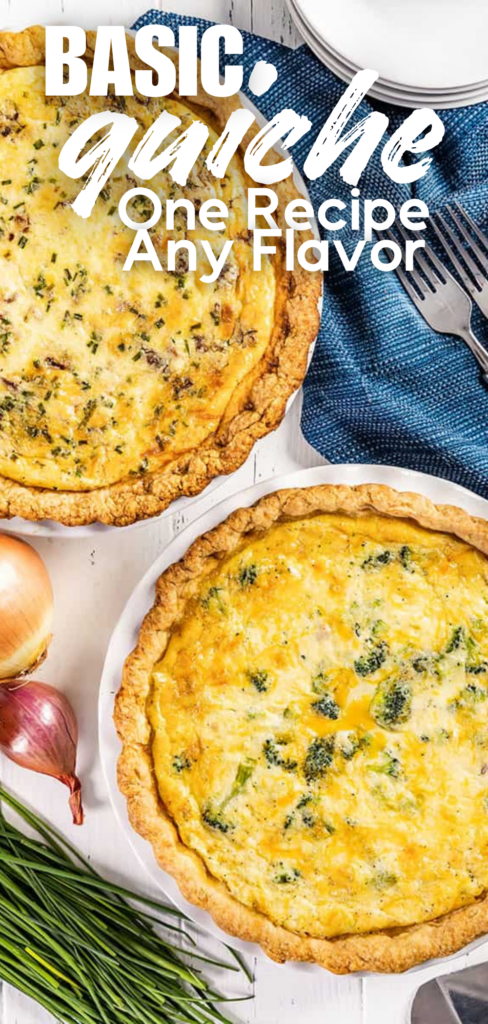
Here's a fact that annoys people: quiche is not hard. It's eggs, dairy, and a crust, and the only reason it fails is that most recipes tell you to dump everything in at once and hope. I've tested this basic quiche recipe enough times to know the variables that actually matter, and there are only three: blind-baking the crust, warming the dairy, and pulling it before the center looks fully set.
Advertisements1
This is a plain, honest quiche – no bacon required, no fancy cheese, no 14-ingredient custard. You need a 9-inch pie crust, 6 large eggs, 1.5 cups of dairy, about 4 ounces of cheese, and a pinch of nutmeg, which sounds optional and isn't. Total time is roughly 50 minutes, and most of that is oven time you can spend doing something else.
One warning before you start: a quiche baked in a cold, raw crust will give you a soggy bottom every single time. We blind-bake first. That's the whole trick, and it's not negotiable.
Why You'll Love This Recipe
About the Ingredients
1 (9-inch/23cm) unbaked pie crust, homemade or refrigerated
A refrigerated roll-out crust works fine here and saves 20 minutes. If using frozen, thaw it fully first or it will crack when you crimp the edges.
6 large eggs
Large eggs, not medium – medium eggs will give you a slightly looser custard. If you only have medium, add one extra yolk to compensate.
1 cup (240ml) heavy cream
Heavy cream is what makes quiche taste like quiche. Half-and-half works but gives a noticeably thinner texture; whole milk alone will taste flat.
1/2 cup (120ml) whole milk
Whole milk, please – skim milk makes the custard watery. A good swap is unsweetened oat milk, which is the closest plant-based match for body.
4 oz (115g) Gruyère or sharp white cheddar, shredded
Gruyère is classic and nutty; sharp white cheddar is cheaper and sharper. Pre-shredded cheese is coated in starch and melts grainy, so shred your own block.
1/2 small yellow onion, finely diced (about 1/2 cup/75g)
Yellow onion is mild and sweet once cooked. Shallots are a fine substitute and taste slightly more delicate.
1 tbsp (14g) unsalted butter
Used to sweat the onion. Salted butter works, just cut the added salt in the custard by half.
1/2 tsp kosher salt
Kosher salt, not table salt – table salt is far denser and will oversalt the custard. If using table salt, use 1/4 tsp.
1/4 tsp freshly ground black pepper
Freshly ground makes a real difference in a simple custard. Pre-ground is acceptable but flatter.
1/8 tsp freshly grated nutmeg
This is the ingredient people skip and then wonder why their quiche tastes bland. Ground nutmeg from a jar is fine; whole nutmeg is better.
1/4 cup (25g) grated Parmesan, for the top
Adds a salty, golden crust on top. Pecorino Romano is a sharper substitute if you like a bolder finish.
Tips & Tricks
Blind-bake the crust first
A raw crust under wet custard steams instead of crisps. Line the chilled crust with parchment, fill with pie weights or dry beans, bake at 375F (190C) for 15 minutes, then remove the weights and bake 5 more minutes until the bottom looks dry, not shiny.
Warm your dairy before mixing
Cold cream and cold eggs separate in the oven and bake unevenly. Microwave the cream and milk together for 45 to 60 seconds until just lukewarm, about 100F (38C), then whisk into the eggs.
Pull it while the center still jiggles
A quiche is done when the edges are puffed and set but the center wobbles like firm gelatin when you nudge the pan, at 165F (74C) internal. Carryover heat finishes it. An overcooked quiche is rubbery and there is no fixing it.
Salt the custard, not just the fillings
People salt the onions and cheese and forget the eggs. A half teaspoon of kosher salt in the custard is what makes the whole thing taste seasoned rather than eggy.
Pro Tips
Step-by-Step Instructions
1. Heat Oven and Prep Crust
Heat the oven to 375F (190C) with a rack in the lower-middle position. Press the pie crust into a 9-inch pie plate, crimp the edges, and chill it in the freezer for 10 minutes while the oven comes up to temperature – cold fat means flakier crust.
2. Blind-Bake the Shell
Line the chilled crust with parchment paper and fill with pie weights or dried beans. Bake at 375F (190C) for 15 minutes, then lift out the weights and parchment and bake another 5 minutes. The crust is ready when the surface looks dry and matte rather than wet and shiny.
3. Sweat the Onion
Melt 1 tbsp butter in a skillet over medium heat and cook the diced onion for 4 to 5 minutes until soft and translucent, not browned. Browning here makes the quiche taste bitter. Scatter the onion and shredded Gruyère evenly across the warm crust.
4. Warm the Dairy
Combine the cream and milk in a microwave-safe bowl or small saucepan and warm to roughly 100F (38C) – lukewarm, not hot. If it is too hot it will scramble the eggs in the next step.
5. Whisk the Custard
Whisk the 6 eggs in a large bowl until completely uniform, with no streaks of white left. Slowly stream in the warm dairy while whisking, then add the salt, pepper, and nutmeg. Whisk for 15 seconds more – do not whip air into it.
6. Fill and Top
Pour the custard through a fine-mesh strainer into the crust, which catches any stray egg bits and gives you a silkier texture. Sprinkle the Parmesan over the top. Do not overfill – stop about 1/4 inch below the rim of the crust.
7. Bake Until Just Set
Bake at 375F (190C) for 30 to 35 minutes. The quiche is done when the edges are puffed and golden brown and the center still jiggles slightly when you nudge the pan, or reads 165F (74C) on an instant-read thermometer. If the edges brown too fast, tent them with foil.
8. Cool Before Slicing
Rest the quiche on a wire rack for at least 20 minutes before cutting. This is the step everyone skips and then complains the slices fall apart – the custard needs to finish setting as it cools.
Delicious Variations
Lorraine style
add 6 slices of cooked, crumbled bacon and use Gruyère only, skipping the onion.
Vegetarian garden
swap the onion for 1 cup of sautéed mushrooms and 1 cup of wilted, squeezed-dry spinach.
Crustless and lighter
skip the crust entirely, grease the pie plate well, and bake at 350F (175C) for 35 to 40 minutes until just set.
How to Store Basic Quiche Recipe
Refrigerator
Cool completely, then cover tightly or wrap individual slices. Refrigerate for up to 4 days.
Freezer
Wrap individual cooled slices tightly in plastic wrap and foil, then freeze for up to 2 months. Thaw overnight in the refrigerator before reheating.
Reheating
Reheat slices covered with foil at 325F (165C) for 12 to 15 minutes, or in the microwave for 45 to 60 seconds per slice. Cold quiche is also genuinely good, so don't feel obligated.
Frequently Asked Questions
Q: Why is my quiche watery?
Your quiche is watery because the vegetables released liquid or the dairy-to-egg ratio was too high. Always cook and drain wet vegetables like spinach and mushrooms, and stick to 1.5 cups of dairy per 6 eggs. Blind-baking the crust also prevents the bottom from turning soggy.
Q: How do I know when quiche is done?
Quiche is done when the edges are puffed and set but the center still jiggles slightly, at about 165F (74C) internal. It should look like firm gelatin, not liquid, when you nudge the pan. It will finish setting as it cools, so pulling it early is better than baking it until it looks fully firm.
Q: Can I make quiche ahead of time?
Yes, and it's actually better made ahead. Bake it fully, cool it completely, and refrigerate for up to 4 days, then reheat covered at 325F (165C) for 12 to 15 minutes. You can also assemble the unbaked quiche, cover it, and refrigerate it overnight before baking.
Q: What is the best cheese for quiche?
Gruyère is the classic choice because it melts smoothly and tastes nutty without overpowering the custard. Sharp white cheddar, Comté, or Jarlsberg are all excellent substitutes. Avoid pre-shredded cheese, which is coated in starch and melts grainy.
Q: Can I use milk instead of cream in quiche?
You can, but the texture will be noticeably thinner and less rich. If you must substitute, use whole milk rather than skim and add an extra egg yolk for body. Half-and-half is the best middle-ground swap if you don't have heavy cream.
Make this once with the blind-bake step and the warm-dairy trick and you'll never go back to the dump-and-bake version. Try it this weekend, then tell me what you changed – I want to know if the nutmeg converted you.
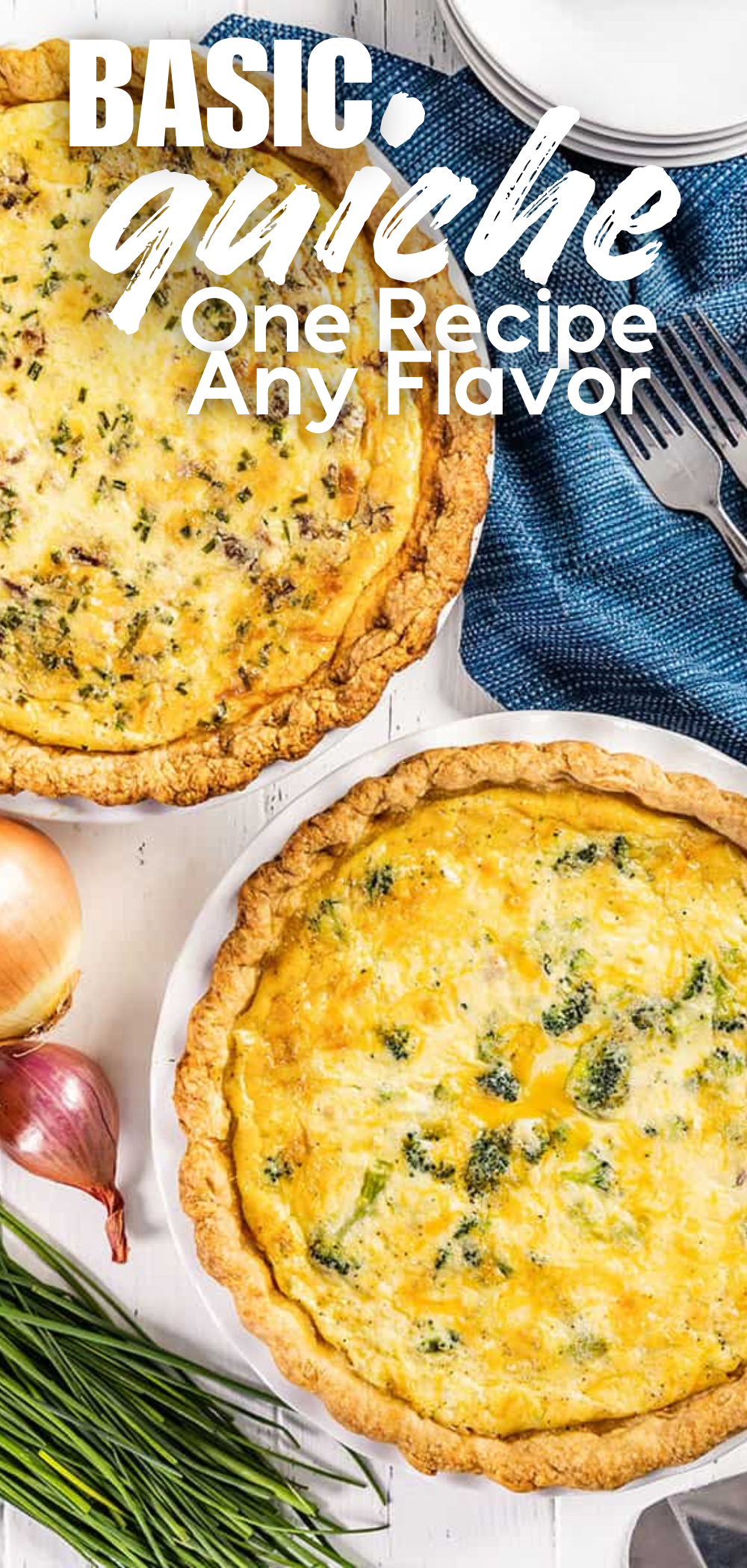
Basic Quiche Recipe
This basic quiche recipe delivers a creamy, custardy filling in a flaky crust with just 6 eggs, cream, and cheese for an easy brunch win.
🧂 Ingredients
- 1 (9-inch/23cm) unbaked pie crust, homemade or refrigerated
- 6 large eggs
- 1 cup (240ml) heavy cream
- 1/2 cup (120ml) whole milk
- 4 oz (115g) Gruyère or sharp white cheddar, shredded
- 1/2 small yellow onion, finely diced (about 1/2 cup/75g)
- 1 tbsp (14g) unsalted butter
- 1/2 tsp kosher salt
- 1/4 tsp freshly ground black pepper
- 1/8 tsp freshly grated nutmeg
- 1/4 cup (25g) grated Parmesan, for the top
📋 Instructions
- 1Heat Oven and Prep Crust — Heat the oven to 375F (190C) with a rack in the lower-middle position. Press the pie crust into a 9-inch pie plate, crimp the edges, and chill it in the freezer for 10 minutes while the oven comes up to temperature – cold fat means flakier crust.
- 2Blind-Bake the Shell — Line the chilled crust with parchment paper and fill with pie weights or dried beans. Bake at 375F (190C) for 15 minutes, then lift out the weights and parchment and bake another 5 minutes. The crust is ready when the surface looks dry and matte rather than wet and shiny.
- 3Sweat the Onion — Melt 1 tbsp butter in a skillet over medium heat and cook the diced onion for 4 to 5 minutes until soft and translucent, not browned. Browning here makes the quiche taste bitter. Scatter the onion and shredded Gruyère evenly across the warm crust.
- 4Warm the Dairy — Combine the cream and milk in a microwave-safe bowl or small saucepan and warm to roughly 100F (38C) – lukewarm, not hot. If it is too hot it will scramble the eggs in the next step.
- 5Whisk the Custard — Whisk the 6 eggs in a large bowl until completely uniform, with no streaks of white left. Slowly stream in the warm dairy while whisking, then add the salt, pepper, and nutmeg. Whisk for 15 seconds more – do not whip air into it.
- 6Fill and Top — Pour the custard through a fine-mesh strainer into the crust, which catches any stray egg bits and gives you a silkier texture. Sprinkle the Parmesan over the top. Do not overfill – stop about 1/4 inch below the rim of the crust.
- 7Bake Until Just Set — Bake at 375F (190C) for 30 to 35 minutes. The quiche is done when the edges are puffed and golden brown and the center still jiggles slightly when you nudge the pan, or reads 165F (74C) on an instant-read thermometer. If the edges brown too fast, tent them with foil.
- 8Cool Before Slicing — Rest the quiche on a wire rack for at least 20 minutes before cutting. This is the step everyone skips and then complains the slices fall apart – the custard needs to finish setting as it cools.

Tom writes about technology and digital privacy, helping readers protect their data and understand how algorithms shape their online experience. He focuses on practical tools and settings that anyone can adjust.