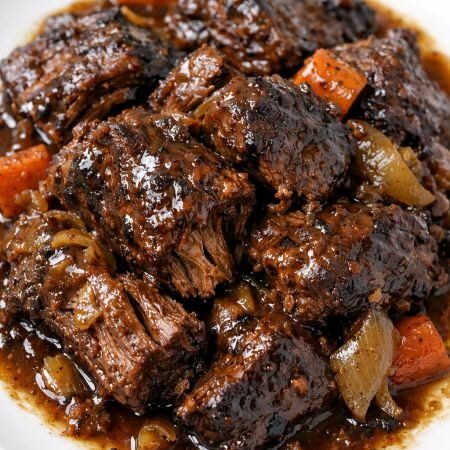
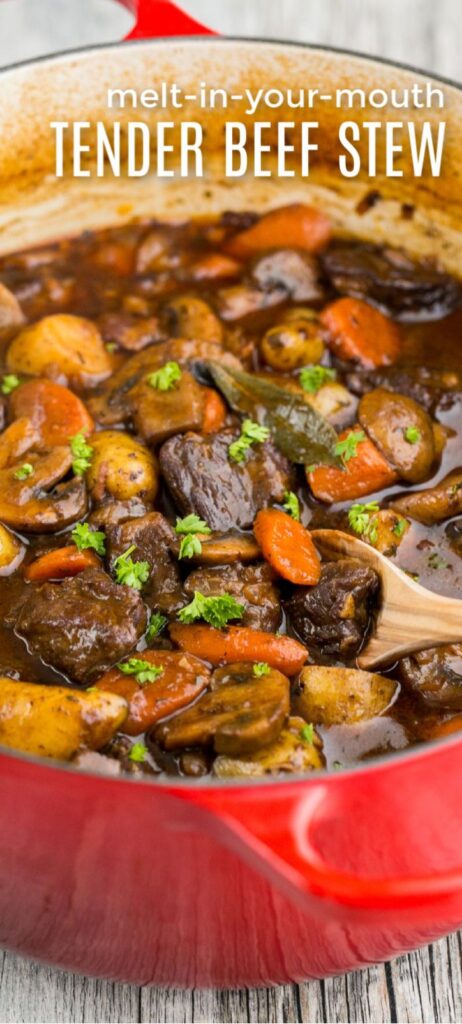
The first time I understood what stew could be, I was nineteen and sitting in a farmhouse kitchen in County Cork while rain drummed the windows like impatient fingers. The woman at the stove had no recipe card, only a heavy pot blackened from decades of Sundays, and she stirred with the patience of someone who trusted time more than technique. When she finally ladled it into bowls, the beef gave way under a spoon, and the gravy clung to the vegetables like it had nowhere else to be.
Advertisements1
Stew is an old idea, older than ovens and certainly older than timers. Every culture that kept cattle and a fire eventually arrived at the same conclusion: tough cuts, low heat, and hours of quiet negotiation. What separates a forgettable stew from a memorable one is not secret ingredients but sequencing. Brown the meat hard, deglaze the fond, build the gravy before the liquid arrives, and let the pot do the rest.
This is the version I make when the air turns sharp and the market sells carrots still wearing their dirt. It is not a quick dinner, but it is an easy one, and the difference matters.
Why You'll Love This Recipe
About the Ingredients
3 lb (1.4 kg) boneless beef chuck roast, cut into 1 1/2-inch cubes
Chuck is the ideal cut because its heavy marbling melts into the gravy. If chuck is unavailable, use boneless short ribs or bottom round, but add 20 minutes of cooking time for round.
2 1/2 tsp kosher salt, divided
Diamond Crystal kosher salt measures differently than Morton, so taste before the final adjustment. Fine sea salt works too, but use about 1 3/4 tsp.
1 1/2 tsp freshly ground black pepper
Grind it yourself if you can; pre-ground pepper loses its bite within months. A coffee grinder reserved for spices does the job in seconds.
3 tbsp olive oil, divided
Any neutral high-smoke-point oil such as avocado or grapeseed can stand in. Avoid butter alone here, since it scorches before the beef browns.
2 medium yellow onions, diced (about 2 cups)
Yellow onions give the deepest sweetness once they soften. Sweet Vidalia onions work but brown faster, so drop the heat slightly.
4 garlic cloves, minced
Fresh garlic only; the jarred paste carries a metallic edge that lingers in a long braise. If you must substitute, use 1 tsp garlic powder added with the flour.
3 tbsp all-purpose flour
This thickens the gravy without a separate slurry. For a gluten-free pot, swap in 2 tbsp cornstarch and whisk it into the broth before adding.
1/4 cup (60 ml) tomato paste
Tomato paste adds body and a faint sweetness that balances the wine. Double-concentrate tubes taste brighter than canned, so use 3 tbsp if yours is the tube kind.
1 cup (240 ml) dry red wine, such as Cabernet Sauvignon or Côtes du Rhône
Pick a wine you would actually drink, because the alcohol concentrates rather than disappears. For an alcohol-free version, use 1 cup extra beef broth plus 1 tbsp red wine vinegar.
4 cups (960 ml) low-sodium beef broth
Low-sodium lets you control the final seasoning. If using regular broth, cut the added salt in the recipe by half and taste at the end.
1 lb (450 g) Yukon Gold potatoes, cut into 1 1/2-inch chunks
Yukons hold their shape while turning creamy at the edges. Russets will break down and thicken the gravy, which is fine if you prefer a stew with a porridge-like body.
4 medium carrots, cut into 1-inch rounds, plus 2 bay leaves and 1 tsp dried thyme
Carrots added at the right moment stay sweet and intact. Parsnips or a handful of frozen pearl onions can join them for a more complex pot.
Tips & Tricks
- Dry the beef before it hits the pan. Surface moisture steams the meat instead of browning it, and browning is where most of your flavor is born. Pat each cube with paper towels and let it sit at room temperature for 20 minutes.
- Brown in batches and resist crowding. A packed pan drops in temperature and the beef releases water, so you end up boiling rather than searing. Give each piece a full two inches of space.
- Add the potatoes and carrots late. Root vegetables cooked for the full two hours turn to mush, so they enter the pot only for the final 35 to 40 minutes.
- Deglaze with intent. Scrape every brown speck off the bottom after the wine goes in; those caramelized bits are the backbone of the gravy, and skipping them is the difference between good and remarkable.
Pro Tips
Step-by-Step Instructions
1. Season and dry the beef
Pat the cubed chuck completely dry with paper towels, then toss with 2 tsp of the kosher salt and all the black pepper. Let it rest at room temperature for 20 minutes while you chop the onions and garlic. Dry, seasoned meat browns faster and more evenly.
2. Sear in batches
Heat 2 tbsp of the olive oil in a 6- to 7-quart Dutch oven over medium-high heat until it shimmers, about 350°F (177°C). Add half the beef in a single layer and sear undisturbed for 4 minutes per side, until deeply golden brown and easy to lift from the pan. Transfer to a plate and repeat with the remaining oil and beef.
3. Soften the aromatics
Reduce the heat to medium and add the onions to the same pot with the rendered fat. Cook for 6 to 7 minutes, stirring occasionally, until translucent and just beginning to color at the edges. Add the garlic and stir for 45 seconds, until fragrant but not browned.
4. Build the gravy
Sprinkle the flour over the onions and stir constantly for 1 minute, until no dry streaks remain. Add the tomato paste and cook for another minute, until it darkens to a brick red and smells sweet rather than sharp. This step thickens the sauce and prevents a floury aftertaste.
5. Deglaze with wine
Pour in the red wine and scrape the bottom of the pot firmly with a wooden spoon to loosen every browned bit. Simmer for 3 to 4 minutes at a gentle bubble, until the wine reduces by about half and no longer smells of raw alcohol.
6. Return the beef and braise
Add the beef along with any juices on the plate, the beef broth, bay leaves, and thyme. Bring to a bare simmer, then cover and cook at 300°F (149°C) in the oven or on the lowest stovetop setting for 1 hour 45 minutes, until the beef is tender when pierced with a paring knife but not yet falling apart.
7. Add the vegetables
Stir in the potatoes and carrots, re-cover, and continue cooking for 35 to 40 minutes, until the potatoes slide off a knife and the carrots yield with slight resistance. The gravy should coat the back of a spoon at this point.
8. Finish and rest
Remove the bay leaves and skim any visible fat from the surface with a wide spoon. Taste and adjust with the remaining 1/2 tsp salt, then let the pot sit off the heat for 15 minutes. The stew will thicken noticeably as it rests, so serve it warm rather than boiling hot.
Delicious Variations
Guinness and Root Vegetable Stew
Replace the red wine with 1 cup of stout and add 2 cups of cubed parsnips and rutabaga with the potatoes for a darker, maltier pot.
Smoky Chipotle Beef Stew
Stir 2 minced chipotle peppers in adobo plus 1 tsp smoked paprika into the onions, and finish with a squeeze of lime and chopped cilantro.
Herbed Dumpling Topping
Drop 8 spoonfuls of a simple parsley-flecked dumpling batter onto the simmering stew, cover, and steam for 18 minutes without lifting the lid.
How to Store Beef Stew Recipe
Refrigerator
Cool the stew uncovered for 30 minutes, then transfer to shallow airtight containers and refrigerate for up to 4 days. The fat will solidify on top, making it easy to lift off before reheating.
Freezer
Freeze in 2-cup portions for up to 3 months, leaving 1 inch of headspace. Potatoes soften slightly after freezing, so consider adding fresh cooked potatoes when you reheat if texture matters to you.
Reheating
Warm gently in a covered saucepan over medium-low heat for 10 to 12 minutes, stirring occasionally, until it reaches 165°F (74°C). Add a splash of broth or water if the gravy has thickened too far.
Frequently Asked Questions
Q: Why is my beef stew tough?
Tough stew almost always means the meat was cooked too briefly or at too high a temperature. Collagen needs a long, lazy simmer between 300°F and 325°F (149°C to 163°C) to dissolve into gelatin, so give chuck at least 1 hour 45 minutes before you even think about checking it. If it is still chewy after that, keep going in 20-minute increments.
Q: Do I have to brown the beef first?
You can skip it, but you will lose the deepest layer of flavor in the dish. Browning creates hundreds of aromatic compounds through the Maillard reaction, and those browned bits become the foundation of the gravy once you deglaze. If time is short, brown only half the meat and accept a lighter, brothier result.
Q: Can I make beef stew in a slow cooker?
Yes, but reduce the broth to 3 cups and brown the beef and onions on the stovetop first. Cook on low for 7 to 8 hours, adding the potatoes and carrots during the last 2 hours so they do not dissolve. Slow cookers trap moisture, so the gravy will be thinner unless you finish it with a cornstarch slurry.
Q: What is the best cut of beef for stew?
Chuck is the best all-around choice because its marbling and connective tissue melt into a rich, glossy gravy. Boneless short ribs are even more luxurious, while bottom round is leaner and leaner cuts need longer cooking and more careful timing. Avoid lean sirloin or tenderloin, which turn dry and stringy in a braise.
Q: How do I thicken beef stew that is too thin?
Whisk 1 tbsp cornstarch into 2 tbsp cold water and stir it into the simmering stew, then cook for 2 minutes until it visibly thickens. Alternatively, mash a few of the cooked potatoes against the side of the pot, or simmer the stew uncovered for 10 minutes to reduce the liquid naturally.
Make this on a day when you have nowhere to be, because the best part of stew is the waiting. Serve it with a hunk of buttered bread and let the pot sit on the table, steaming and refilling itself. Then tell me how it turned out, and whether you added dumplings. Wander slowly.
Beef Stew Recipe
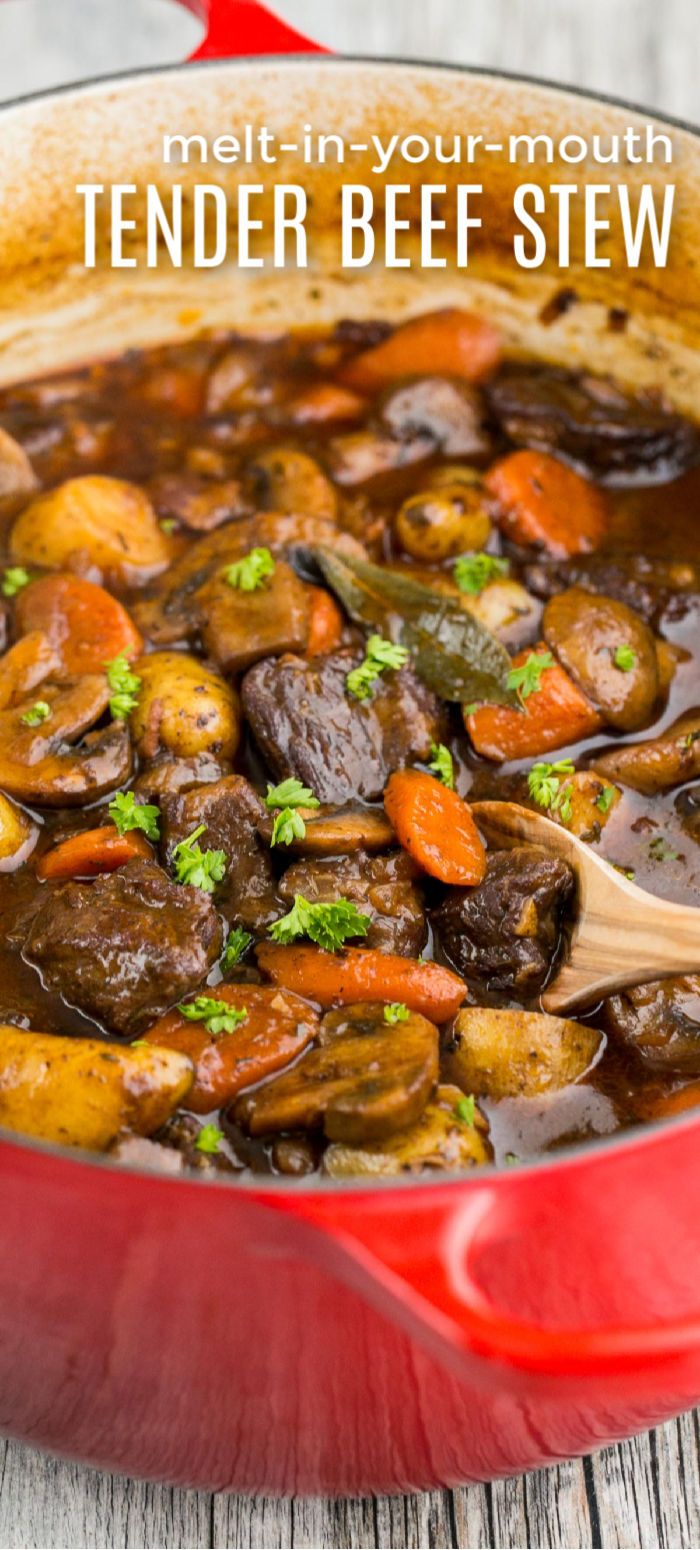
This Beef Stew Recipe simmers fork-tender chuck in a deep red wine gravy with root vegetables for a cozy, soul-warming dinner.
🧂 Ingredients
- 3 lb (1.4 kg) boneless beef chuck roast, cut into 1 1/2-inch cubes
- 2 1/2 tsp kosher salt, divided
- 1 1/2 tsp freshly ground black pepper
- 3 tbsp olive oil, divided
- 2 medium yellow onions, diced (about 2 cups)
- 4 garlic cloves, minced
- 3 tbsp all-purpose flour
- 1/4 cup (60 ml) tomato paste
- 1 cup (240 ml) dry red wine, such as Cabernet Sauvignon or Côtes du Rhône
- 4 cups (960 ml) low-sodium beef broth
- 1 lb (450 g) Yukon Gold potatoes, cut into 1 1/2-inch chunks
- 4 medium carrots, cut into 1-inch rounds, plus 2 bay leaves and 1 tsp dried thyme
📋 Instructions
- 1Season and dry the beef — Pat the cubed chuck completely dry with paper towels, then toss with 2 tsp of the kosher salt and all the black pepper. Let it rest at room temperature for 20 minutes while you chop the onions and garlic. Dry, seasoned meat browns faster and more evenly.
- 2Sear in batches — Heat 2 tbsp of the olive oil in a 6- to 7-quart Dutch oven over medium-high heat until it shimmers, about 350°F (177°C). Add half the beef in a single layer and sear undisturbed for 4 minutes per side, until deeply golden brown and easy to lift from the pan. Transfer to a plate and repeat with the remaining oil and beef.
- 3Soften the aromatics — Reduce the heat to medium and add the onions to the same pot with the rendered fat. Cook for 6 to 7 minutes, stirring occasionally, until translucent and just beginning to color at the edges. Add the garlic and stir for 45 seconds, until fragrant but not browned.
- 4Build the gravy — Sprinkle the flour over the onions and stir constantly for 1 minute, until no dry streaks remain. Add the tomato paste and cook for another minute, until it darkens to a brick red and smells sweet rather than sharp. This step thickens the sauce and prevents a floury aftertaste.
- 5Deglaze with wine — Pour in the red wine and scrape the bottom of the pot firmly with a wooden spoon to loosen every browned bit. Simmer for 3 to 4 minutes at a gentle bubble, until the wine reduces by about half and no longer smells of raw alcohol.
- 6Return the beef and braise — Add the beef along with any juices on the plate, the beef broth, bay leaves, and thyme. Bring to a bare simmer, then cover and cook at 300°F (149°C) in the oven or on the lowest stovetop setting for 1 hour 45 minutes, until the beef is tender when pierced with a paring knife but not yet falling apart.
- 7Add the vegetables — Stir in the potatoes and carrots, re-cover, and continue cooking for 35 to 40 minutes, until the potatoes slide off a knife and the carrots yield with slight resistance. The gravy should coat the back of a spoon at this point.
- 8Finish and rest — Remove the bay leaves and skim any visible fat from the surface with a wide spoon. Taste and adjust with the remaining 1/2 tsp salt, then let the pot sit off the heat for 15 minutes. The stew will thicken noticeably as it rests, so serve it warm rather than boiling hot.

Ingrid explores slow travel and cultural immersion, favoring off-season destinations and local experiences. She writes about the logistics of long-term stays and how to connect with communities without being a tourist. Her angle is about depth over distance.