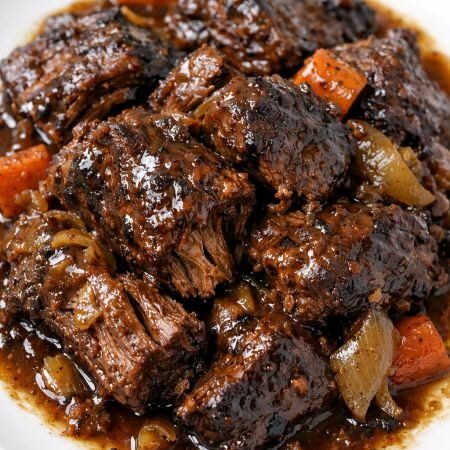
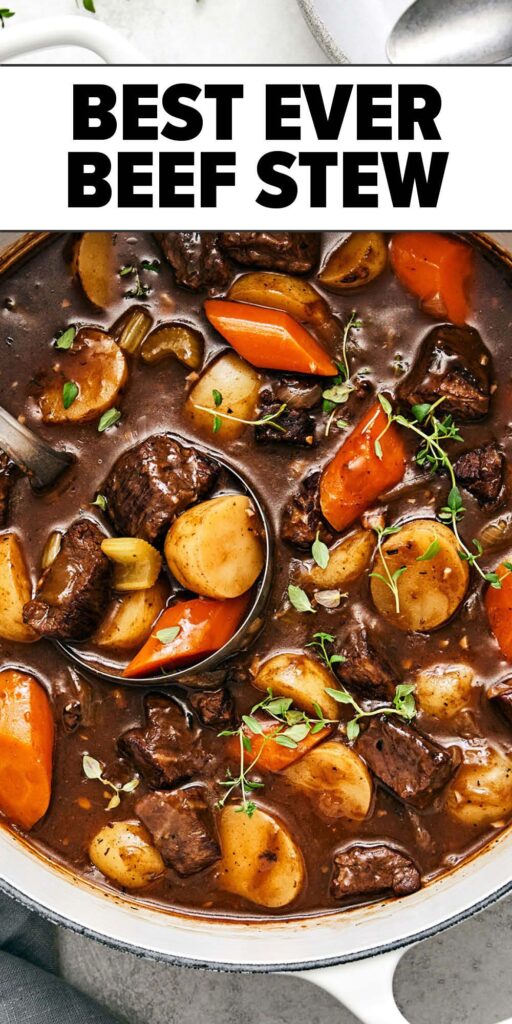
My neighbor knocked on my door last Tuesday holding a Dutch oven and a worried look. Her beef stew had turned into a pot of gray, chewy cubes floating in cloudy broth, and she wanted to know where she went wrong. I told her the same thing I tell anyone learning to build wealth: the boring fundamentals do all the heavy lifting, and the fancy stuff is just decoration.
Advertisements1
Stew is basically compound interest in a pot. You brown the meat properly, you let time and low heat work quietly in the background, and you resist the urge to stir every two minutes. Skip the browning and you are withdrawing from your flavor account before you ever make a deposit.
This is the recipe I have cooked on repeat for fifteen years, and it is forgiving enough for a weeknight but rich enough for Sunday company. Everything happens in one pot on the stovetop, and the ingredient list is short enough to memorize.
Why You'll Love This Recipe
About the Ingredients
3 lb (1.36 kg) boneless beef chuck roast, cut into 1 1/2-inch cubes
Chuck is the ideal stew cut because its heavy marbling melts into the broth. If chuck is sold out, ask for beef shank or bottom round and add 20 extra minutes of simmering.
2 tsp kosher salt, plus more to taste
Kosher salt seasons in layers and dissolves more evenly than table salt. If you only have fine table salt, start with 1 1/2 tsp and adjust at the end.
1 tsp freshly ground black pepper
Fresh-cracked pepper tastes brighter than pre-ground. A cheap electric grinder pays for itself within a month of stews and roasts.
3 tbsp olive oil, divided
Olive oil handles the high searing heat here; avocado oil works just as well. Do not use butter alone for browning, since it burns before the beef is ready.
1 large yellow onion, diced (about 1 1/2 cups)
Yellow onions give the sweetest, deepest base once they soften. Sweet Vidalia onions are a fine swap if you want a slightly milder gravy.
3 tbsp tomato paste
Tomato paste adds body and a subtle tang that balances the wine. Buy it in a tube rather than a can so you can squeeze out exactly what you need without waste.
3 tbsp all-purpose flour
Flour thickens the gravy right around the beef, no roux required. For a gluten-free pot, swap in an equal amount of cornstarch and whisk it into cold broth first.
1 cup (240 ml) dry red wine, such as Cabernet Sauvignon or Merlot
Any dry red you would actually drink works beautifully, and the alcohol cooks off during the long simmer. No wine on hand? Use 1 cup beef broth plus 1 tbsp red wine vinegar.
4 cups (960 ml) low-sodium beef broth
Low-sodium broth lets you control the final seasoning instead of guessing. Better Than Bouillon stirred into water is a solid pantry substitute.
2 tbsp Worcestershire sauce
Worcestershire delivers a savory, umami punch that makes people ask what your secret is. Soy sauce or coconut aminos are good stand-ins.
1 1/2 lb (680 g) Yukon Gold potatoes, cut into 1 1/2-inch chunks
Yukon Golds hold their shape while turning creamy inside. Russets will work but tend to break down and cloud the broth.
4 medium carrots, cut into 1-inch coins, plus 2 bay leaves and 1 tsp dried thyme
Carrots go in with the potatoes so they stay intact, and the bay and thyme round out the aroma. Fresh thyme is even better: use 4 sprigs tied with twine.
Tips & Tricks
Dry the Beef Before It Hits the Pan
Pat every cube with paper towels, because surface moisture steams the meat instead of browning it, and browning is where all the flavor lives.
Brown in Batches, Not a Crowd
Overloading the pot drops the temperature and turns searing into boiling, so work in three batches and give each cube room to breathe.
Keep the Simmer Gentle
Once the lid goes on, you want lazy bubbles, not a rolling boil, since a hard boil tightens the meat and makes the gravy cloudy.
Season at the End, Not Just the Start
Broth reduces and concentrates as it cooks, so taste after the meat is tender and add salt only then.
Pro Tips
Step-by-Step Instructions
1. Pat the beef dry
Pat the cubed chuck completely dry with paper towels and season all over with the kosher salt and black pepper. Moisture is the enemy of browning, so this 2-minute step is what separates rich stew from gray stew.
2. Sear in batches
Heat 2 tbsp olive oil in a large Dutch oven over medium-high heat (375F / 190C) until it shimmers. Add one third of the beef and sear undisturbed for 4 minutes per side until deeply golden brown, about 8 minutes total, then transfer to a plate and repeat with the remaining oil and beef.
3. Soften the aromatics
Reduce heat to medium (300F / 150C) and add the onion to the same pot, cooking for 5 minutes until translucent and lightly golden at the edges. Stir in the tomato paste and cook 1 minute until it darkens to a brick red and smells sweet rather than raw.
4. Build the gravy
Sprinkle the flour over the onions and stir constantly for 1 minute so it coats everything and loses its raw taste. Pour in the wine and scrape the bottom of the pot with a wooden spoon for 1 minute until the liquid reduces by half and no brown bits remain.
5. Simmer low and slow
Return the beef and any juices to the pot, then add the broth, Worcestershire sauce, bay leaves, and thyme. Bring to a bare simmer (about 200F / 93C), cover, and cook for 1 hour 30 minutes, stirring every 30 minutes, until the beef is fork-tender but not falling apart.
6. Add the vegetables
Stir in the potatoes and carrots, cover, and simmer another 30 to 35 minutes until the potatoes are tender when pierced with a knife and the carrots offer no resistance. The broth should be bubbling gently at the edges the whole time.
7. Thicken and rest
Uncover and simmer 5 to 10 minutes more if the gravy looks thin, until it coats the back of a spoon. Taste, add salt and pepper as needed, then remove the bay leaves and let the stew rest off heat for 10 minutes before serving.
Delicious Variations
Slow Cooker Version
Brown the beef and onions on the stovetop first, then transfer everything except the potatoes and carrots to a 6-quart slow cooker and cook on low for 6 hours before adding the vegetables for the final 2 hours.
Guinness and Mushroom Stew
Replace the red wine with a stout beer and add 8 oz sliced cremini mushrooms with the onions for a darker, earthier gravy.
Herb and Root Vegetable Stew
Swap the potatoes for parsnips and rutabaga and stir in 2 tbsp chopped fresh parsley at the end for a lighter, more vegetal bowl.
How to Store Best Classic Beef Stew (Easy Stovetop Recipe)
Refrigerator
Cool the stew to room temperature within 2 hours, then store in an airtight container for up to 4 days. The flavor actually improves overnight as the spices meld.
Freezer
Freeze in portioned containers for up to 3 months, leaving 1 inch of headspace. Potatoes soften slightly on thaw, so consider adding fresh cooked potatoes when you reheat.
Reheating
Reheat gently on the stovetop over medium-low heat (about 250F / 120C) for 10 to 15 minutes, stirring occasionally, or microwave single portions in 1-minute bursts until steaming.
Frequently Asked Questions
Q: Why is my beef stew tough?
Your stew is tough because the beef did not simmer long enough for its collagen to break down into gelatin. Chuck roast needs at least 1 hour 30 minutes at a bare simmer, and rushing it at a higher temperature makes the meat tighter, not softer. Keep the heat low, cover the pot, and test a cube with a fork before pulling it off the stove.
Q: Can I make beef stew without wine?
Yes, you can absolutely make beef stew without wine and still get a rich, deep gravy. Replace the 1 cup of red wine with 1 cup of beef broth plus 1 tablespoon of red wine vinegar or balsamic vinegar for the same acidity and complexity. Add the vinegar at the end so its brightness does not cook away.
Q: What is the best cut of beef for stew?
Chuck roast is the best cut for beef stew because its marbling and connective tissue melt into a silky, flavorful gravy. Beef shank, bottom round, and brisket are solid alternatives, but avoid lean cuts like sirloin or tenderloin, which dry out during a long simmer. Look for cubes with visible white flecks of fat.
Q: How do I thicken beef stew?
The easiest way to thicken beef stew is to simmer it uncovered for 5 to 10 minutes so the liquid reduces naturally. If you need more body, whisk 1 tablespoon of cornstarch into 2 tablespoons of cold water and stir it in, then simmer 2 minutes until the gravy glosses. Avoid dumping dry flour straight into hot stew, since it will clump.
Q: Can I add frozen peas or green beans to beef stew?
Yes, frozen peas or green beans are a great addition and should go in during the last 5 minutes of cooking. They thaw and heat through almost instantly, so adding them early turns them mushy and dull green. Stir them in off the heat for the freshest color and bite.
Make this stew this weekend and let the house fill up with that deep, savory smell while it simmers. If you cook it, come back and tell me which variation you tried, and share it with the person in your life who needs an easy win in the kitchen. Keep it simple, keep it growing.
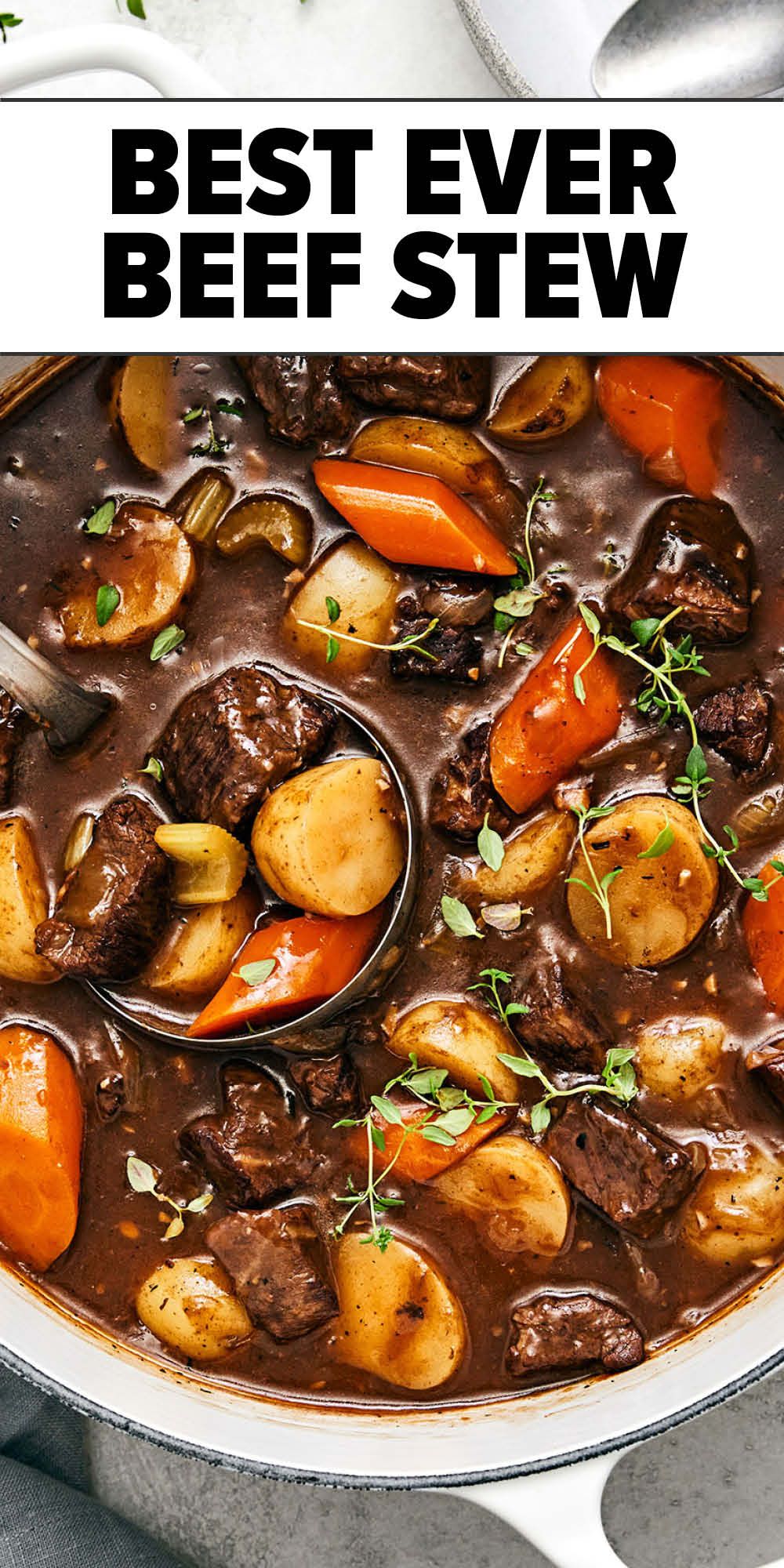
Best Classic Beef Stew (Easy Stovetop Recipe)
Best Classic Beef Stew is tender chuck roast simmered in a rich red wine gravy with carrots and potatoes for a hearty one-pot dinner.
🧂 Ingredients
- 3 lb (1.36 kg) boneless beef chuck roast, cut into 1 1/2-inch cubes
- 2 tsp kosher salt, plus more to taste
- 1 tsp freshly ground black pepper
- 3 tbsp olive oil, divided
- 1 large yellow onion, diced (about 1 1/2 cups)
- 3 tbsp tomato paste
- 3 tbsp all-purpose flour
- 1 cup (240 ml) dry red wine, such as Cabernet Sauvignon or Merlot
- 4 cups (960 ml) low-sodium beef broth
- 2 tbsp Worcestershire sauce
- 1 1/2 lb (680 g) Yukon Gold potatoes, cut into 1 1/2-inch chunks
- 4 medium carrots, cut into 1-inch coins, plus 2 bay leaves and 1 tsp dried thyme
📋 Instructions
- 1Pat the beef dry — Pat the cubed chuck completely dry with paper towels and season all over with the kosher salt and black pepper. Moisture is the enemy of browning, so this 2-minute step is what separates rich stew from gray stew.
- 2Sear in batches — Heat 2 tbsp olive oil in a large Dutch oven over medium-high heat (375F / 190C) until it shimmers. Add one third of the beef and sear undisturbed for 4 minutes per side until deeply golden brown, about 8 minutes total, then transfer to a plate and repeat with the remaining oil and beef.
- 3Soften the aromatics — Reduce heat to medium (300F / 150C) and add the onion to the same pot, cooking for 5 minutes until translucent and lightly golden at the edges. Stir in the tomato paste and cook 1 minute until it darkens to a brick red and smells sweet rather than raw.
- 4Build the gravy — Sprinkle the flour over the onions and stir constantly for 1 minute so it coats everything and loses its raw taste. Pour in the wine and scrape the bottom of the pot with a wooden spoon for 1 minute until the liquid reduces by half and no brown bits remain.
- 5Simmer low and slow — Return the beef and any juices to the pot, then add the broth, Worcestershire sauce, bay leaves, and thyme. Bring to a bare simmer (about 200F / 93C), cover, and cook for 1 hour 30 minutes, stirring every 30 minutes, until the beef is fork-tender but not falling apart.
- 6Add the vegetables — Stir in the potatoes and carrots, cover, and simmer another 30 to 35 minutes until the potatoes are tender when pierced with a knife and the carrots offer no resistance. The broth should be bubbling gently at the edges the whole time.
- 7Thicken and rest — Uncover and simmer 5 to 10 minutes more if the gravy looks thin, until it coats the back of a spoon. Taste, add salt and pepper as needed, then remove the bay leaves and let the stew rest off heat for 10 minutes before serving.

Kwame covers personal finance and investing for beginners, breaking down complex topics into clear, relatable examples. He focuses on building wealth through simple habits and avoiding common money mistakes.