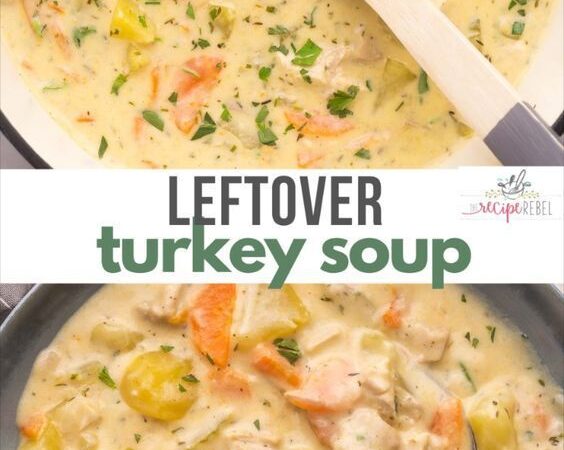

A Bowl of Yellow Soup With Dill is what I make when I want something that feels like a hug but still tastes fresh and bright. The color comes from carrots, potatoes, and a pinch of turmeric, and the dill goes in at the end so it stays grassy and green instead of turning dull.
Advertisements1
You only need one pot and about 50 minutes from start to finish. I blend part of the soup and leave the rest chunky, which gives you a creamy body without any cream at all. A squeeze of lemon at the end wakes up every spoonful.
If you have never cooked with dill before, this is the friendliest place to start. It is a soft, feathery herb that tastes like fresh parsley crossed with a hint of anise, and it loves anything yellow, buttery, or brothy.
Why You'll Love This Recipe
About the Ingredients
2 tablespoons (28g) unsalted butter
Butter gives the vegetables a round, sweet base. If you are dairy-free, swap in 2 tablespoons olive oil and add 1 extra pinch of salt.
1 large yellow onion, diced (about 1 1/2 cups / 200g)
Yellow onion is sweeter and milder than white. If you only have red onion, use it, but expect a slightly sharper, pinker soup.
3 medium carrots, peeled and sliced (about 2 cups / 260g)
Carrots do most of the color work here. Buy them loose rather than pre-shredded, which dries out and cooks unevenly.
1 1/2 pounds (680g) Yukon Gold potatoes, peeled and cut into 1-inch chunks
Yukon Golds blend into a naturally buttery texture. Russets work too, but they get starchier, so use 1/4 cup less broth.
4 cups (960ml) low-sodium vegetable broth
Low-sodium lets you control the final seasoning. Chicken broth works if you are not cooking vegetarian, and it adds a deeper savory note.
1 teaspoon ground turmeric
Turmeric supplies the sunny yellow and a gentle earthy flavor. A little goes far, so measure it rather than eyeballing.
3/4 teaspoon fine sea salt, plus more to taste
Fine sea salt dissolves faster than flaky salt. Add it in two stages: once with the broth, once after blending.
1/2 teaspoon freshly ground black pepper
Fresh-cracked pepper is brighter than pre-ground. Black pepper also helps your body absorb the turmeric.
3 tablespoons fresh dill, chopped, divided
Fresh dill is non-negotiable for that clean, grassy finish. If you must use dried, use 1 tablespoon and add it with the broth, not at the end.
1 tablespoon fresh lemon juice (about 1/2 lemon)
Lemon lifts the whole pot at the last second. Lime or a splash of rice vinegar works in a pinch.
1/4 cup (60ml) full-fat coconut milk or heavy cream, optional
This is a finishing swirl, not a thickener. Coconut milk adds a faint sweetness; heavy cream is more neutral.
Tips & Tricks
- Do not skip the final lemon juice. Soup tastes flat when it is missing acid, and 1 tablespoon fixes an entire pot.
- Reserve 1 cup of the cooking broth before blending. You can always thin the soup, but you cannot easily thicken it back up.
- Add dill off the heat. Boiling dill for more than a minute turns it brown and bitter.
- Salt in layers, not at the end. Seasoning the onions and again after blending gives you a deeper, more even flavor.
Pro Tips
Step-by-Step Instructions
1. Sweat the aromatics
Melt the butter in a large Dutch oven over medium heat, about 300F to 325F (150C to 165C). Add the onion and 1/4 teaspoon of the salt and cook for 6 to 7 minutes, stirring often, until the onion is soft and translucent with golden edges.
2. Bloom the turmeric
Stir in the turmeric and black pepper and cook for 30 seconds, until the spices smell nutty and the onions turn bright yellow. This short toast is what makes the color pop.
3. Simmer the vegetables
Add the carrots, potatoes, remaining 1/2 teaspoon salt, and the broth. Raise the heat to bring it to a boil, about 212F (100C), then lower to a gentle simmer, 195F to 200F (90C to 93C), cover, and cook for 20 to 22 minutes.
4. Check for doneness
The soup is ready when a knife slides into a potato chunk with zero resistance and the carrot pieces crush easily against the side of the pot. If there is any firmness, simmer 3 more minutes and check again.
5. Blend two-thirds
Ladle about two-thirds of the soup into a blender, filling it no more than halfway, and blend for 30 seconds until completely smooth. Return it to the pot, or use an immersion blender and pulse only part of the pot.
6. Finish with dill and lemon
Turn off the heat. Stir in 2 tablespoons of the dill and the lemon juice, then taste and add salt a pinch at a time until the flavor snaps into focus. Swirl in the coconut milk if using.
7. Serve hot
Ladle into warm bowls and top with the last tablespoon of dill. Serve within 10 minutes for the brightest color and flavor.
Delicious Variations
Ginger-Coconut Yellow Soup
add 1 tablespoon grated fresh ginger with the onion and use full-fat coconut milk instead of butter for a dairy-free, Thai-leaning bowl.
Red Lentil Yellow Soup
swap 1 cup of the potatoes for 3/4 cup red lentils and simmer 5 extra minutes for a thicker, higher-protein version.
Roasted Carrot Yellow Soup
roast the carrots and onion at 425F (220C) for 25 minutes first, then simmer with the potatoes for a deeper caramelized flavor.
How to Store Bowl Of Yellow Soup With Dill
Refrigerator
Store in an airtight container for up to 4 days. The soup thickens as it chills, so loosen it with 2 to 3 tablespoons of broth or water when reheating.
Freezer
Freeze in 2-cup portions for up to 3 months. Leave 1 inch of headspace, and add fresh dill only after thawing so it stays green.
Reheating
Reheat gently on the stovetop over medium-low heat, 165F to 175F (74C to 79C), stirring often, for 5 to 7 minutes. Avoid a hard boil, which dulls the color.
Frequently Asked Questions
Q: Why is my yellow soup bland?
Bland soup is almost always under-salted or missing acid. Add salt 1/4 teaspoon at a time, taste, then finish with the full tablespoon of lemon juice, which is what makes the flavors read clearly.
Make this Bowl of Yellow Soup With Dill this week and see how far one pot of humble vegetables can go. If you cook it, leave a comment and tell me whether you blended the whole pot or kept it chunky, and share a photo so I can cheer you on. One small step: buy an extra bunch of dill and freeze the chopped leftovers in an ice cube tray with olive oil, so the next pot is even faster. Small steps, big change.

Bowl Of Yellow Soup With Dill
Bowl of Yellow Soup With Dill is a silky, golden pot of comfort that turns simple root vegetables into a cozy dinner in under an hour.
🧂 Ingredients
- 2 tablespoons (28g) unsalted butter
- 1 large yellow onion, diced (about 1 1/2 cups / 200g)
- 3 medium carrots, peeled and sliced (about 2 cups / 260g)
- 1 1/2 pounds (680g) Yukon Gold potatoes, peeled and cut into 1-inch chunks
- 4 cups (960ml) low-sodium vegetable broth
- 1 teaspoon ground turmeric
- 3/4 teaspoon fine sea salt, plus more to taste
- 1/2 teaspoon freshly ground black pepper
- 3 tablespoons fresh dill, chopped, divided
- 1 tablespoon fresh lemon juice (about 1/2 lemon)
- 1/4 cup (60ml) full-fat coconut milk or heavy cream, optional
📋 Instructions
- 1Sweat the aromatics — Melt the butter in a large Dutch oven over medium heat, about 300F to 325F (150C to 165C). Add the onion and 1/4 teaspoon of the salt and cook for 6 to 7 minutes, stirring often, until the onion is soft and translucent with golden edges.
- 2Bloom the turmeric — Stir in the turmeric and black pepper and cook for 30 seconds, until the spices smell nutty and the onions turn bright yellow. This short toast is what makes the color pop.
- 3Simmer the vegetables — Add the carrots, potatoes, remaining 1/2 teaspoon salt, and the broth. Raise the heat to bring it to a boil, about 212F (100C), then lower to a gentle simmer, 195F to 200F (90C to 93C), cover, and cook for 20 to 22 minutes.
- 4Check for doneness — The soup is ready when a knife slides into a potato chunk with zero resistance and the carrot pieces crush easily against the side of the pot. If there is any firmness, simmer 3 more minutes and check again.
- 5Blend two-thirds — Ladle about two-thirds of the soup into a blender, filling it no more than halfway, and blend for 30 seconds until completely smooth. Return it to the pot, or use an immersion blender and pulse only part of the pot.
- 6Finish with dill and lemon — Turn off the heat. Stir in 2 tablespoons of the dill and the lemon juice, then taste and add salt a pinch at a time until the flavor snaps into focus. Swirl in the coconut milk if using.
- 7Serve hot — Ladle into warm bowls and top with the last tablespoon of dill. Serve within 10 minutes for the brightest color and flavor.

Maya writes about sustainable living and zero-waste practices, focusing on small, actionable changes for everyday life. She shares practical tips on reducing plastic, saving energy, and making eco-friendly choices without overwhelming readers.