
Two vegetables sit in your crisper drawer and get ignored every single week. Carrots and celery are the cheapest aromatics in the store, and almost nobody treats them as the main event. That is a mistake.
Advertisements1
This braise proves it. Carrots go sweet and soft, celery keeps a little snap, and the butter-thyme glaze ties both together in one pan on the stovetop. Total hands-on time is 15 minutes.
Here is the math that matters: at my local market, 2 pounds of carrots plus one head of celery costs about $3.40. Divide that by 6 servings and you are at 57 cents per plate before the butter. That is cheaper than a bag of frozen mixed vegetables, and it tastes like something you planned.
Why You'll Love This Recipe
About the Ingredients
2 lb (900g) carrots, peeled and cut into 2-inch batons
Look for carrots with firm, unblemished skin and no soft spots near the crown. If you only have baby carrots, use the same weight but cut the cook time by 5 minutes since they are already trimmed and thinner.
1 large head celery (about 10-12 ribs), cut into 2-inch lengths on a bias
Save the pale inner ribs and leaves for this dish; they are sweeter and less stringy than the outer stalks. No celery on hand? Fennel bulb gives a similar crunch with an anise note instead of a grassy one.
3 tbsp (42g) unsalted butter
European-style butter has more fat and browns more slowly, which helps here. Salted butter works, but then cut the added salt in the recipe to a quarter teaspoon.
2 tbsp olive oil
Any neutral oil works, but olive oil adds a peppery backbone that plain canola lacks. Do not use extra-virgin for the sear; it smokes below the temperature you need.
1 medium yellow onion, sliced 1/4-inch thick
Yellow onion gives the deepest sweetness once it caramelizes. A red onion will work but turns the glaze a muddy pink.
3 cloves garlic, thinly sliced
Fresh cloves only; the jarred minced stuff burns faster and tastes flat. Slice rather than mince so the pieces survive the full cook time.
1 tsp fresh thyme leaves, stripped from the stems
Dried thyme is a fine swap at 1/3 teaspoon, but add it with the stock instead of the butter so it has time to rehydrate.
1 cup (240ml) low-sodium chicken or vegetable stock
Homemade stock is better, but a good boxed vegetable stock keeps this vegetarian. Water plus 1 teaspoon of soy sauce is the emergency substitute.
1 tsp kosher salt, plus more to taste
Kosher flakes season more evenly than fine table salt. If you only have table salt, start with 3/4 teaspoon and taste before adding more.
1/2 tsp freshly ground black pepper
Grind it yourself; pre-ground pepper loses most of its oils within a few months. White pepper is a quieter substitute if you dislike visible flecks.
1 tbsp fresh lemon juice
Adds acid that cuts the butter. Bottled lemon juice is acceptable but tastes flatter, so use 1 1/2 tablespoons if you go that route.
2 tbsp chopped fresh flat-leaf parsley, for finishing
Flat-leaf beats curly for flavor. Celery leaves, chopped fine, are a free and thematically correct substitute.
Tips & Tricks
Cut Everything the Same Size
Uneven batons are the number one reason this dish ends up with mushy carrots and raw celery. Keep every piece within a half-inch of the others.
Do Not Crowd the Pan
If your skillet is smaller than 12 inches, cook in two batches. Steamed, crowded vegetables never brown, and browning is where the flavor comes from.
Salt Early, Acid Late
Salt draws water out of the carrots and helps them soften evenly. Lemon juice goes in at the very end because heat kills its brightness.
Watch the Butter
Butter burns at around 350F (177C). If it starts smelling nutty and dark, pull the pan off the heat for 30 seconds before continuing.
Pro Tips
Step-by-Step Instructions
1. Prep the vegetables
Peel the carrots and cut them into 2-inch batons roughly the thickness of your thumb. Cut the celery into 2-inch lengths on a bias so each piece has more surface area to brown. Keep the pieces uniform; this is the single biggest factor in even cooking.
2. Heat the pan
Set a 12-inch skillet over medium-high heat and add the olive oil. Wait until the oil shimmers and a drop of water flicked in sizzles instantly, about 2 minutes. A properly heated pan is what prevents sticking.
3. Sear the carrots
Add the carrots in a single layer and cook undisturbed for 6 minutes at medium-high, around 375F (190C), until the undersides are golden brown. Stir once and cook another 4 minutes. You want color, not char.
4. Add celery and onion
Push the carrots to the edges, add the butter, onion, and celery to the center, and cook 5 minutes at medium heat, about 325F (163C), until the onion turns translucent and the celery smells sweet rather than sharp. Stir everything together.
5. Bloom the garlic
Add the garlic, thyme, salt, and pepper and stir constantly for 60 seconds. The garlic should smell fragrant but not brown; if it browns, the pan is too hot and the garlic will taste bitter.
6. Braise in stock
Pour in the stock and scrape the browned bits off the bottom with a wooden spoon. Bring to a simmer, reduce heat to medium-low, around 300F (149C), cover, and cook 18 minutes. The carrots should pierce easily with a paring knife but not collapse.
7. Reduce the glaze
Uncover and cook 4 to 5 minutes at medium heat until the liquid thickens and bubbles at the edges of the pan. Tilt the pan; the glaze should slide slowly, like warm honey, not run like water.
8. Finish and serve
Turn off the heat, stir in the lemon juice and parsley, and taste for salt. Serve immediately while the glaze is still glossy. The dish holds its texture best in the first 20 minutes after cooking.
Delicious Variations
Honey-Mustard Version
Whisk 1 tablespoon Dijon and 2 teaspoons honey into the stock before braising for a sharper, glossier glaze.
Roasted Sheet-Pan Version
Toss everything except the stock with the oil and butter, roast at 425F (218C) for 25 minutes, and skip the braise entirely for chewier, deeper browning.
Asian-Style Braise
Swap the thyme for 1 teaspoon grated ginger, use soy sauce instead of salt, and finish with toasted sesame oil and scallions.
How to Store Carrots and Celery Recipes
Refrigerator
Store in an airtight container for up to 4 days. The glaze thickens when cold, so add a tablespoon of water when reheating.
Freezer
Freeze up to 2 months, but expect the celery to soften considerably. Thaw overnight in the refrigerator rather than at room temperature.
Reheating
Reheat in a covered skillet over medium-low heat for 6 to 8 minutes, or microwave in 45-second bursts, stirring between each. Do not boil or the carrots will break apart.
Frequently Asked Questions
Q: Can I make carrots and celery ahead of time?
Yes, you can cook the full dish up to 3 days ahead and reheat it gently on the stovetop. The flavor actually improves overnight as the vegetables absorb the thyme and butter. Add the lemon juice and parsley only after reheating so they stay bright.
Q: Why did my carrots turn mushy?
Mushy carrots almost always mean the pieces were cut too small or the braise ran too long. Keep batons at 2 inches and start checking with a paring knife at the 15-minute mark. They should slide in with slight resistance, not sink through.
Q: Is this dish healthy?
Yes, at roughly 285 calories per serving with 12 grams of protein, it fits most diets comfortably. The fat comes mostly from butter and olive oil, so you can cut it to 2 tablespoons of each to drop about 60 calories per serving.
Q: Can I use frozen carrots or celery?
Frozen carrots work but will not brown properly, so the dish loses its roasted depth. Frozen celery is not worth using because it releases too much water and turns limp. Fresh is the right call here.
Q: What do I serve with carrots and celery?
It pairs best with roasted chicken, pork chops, or a simple baked white fish because the glaze is rich enough to stand up to protein. For a vegetarian plate, spoon it over buttered polenta or farro.
Go buy the two cheapest things in the produce aisle and cook them like they matter. Then tell me whether your family noticed there was no meat on the plate. Keep your receipts.
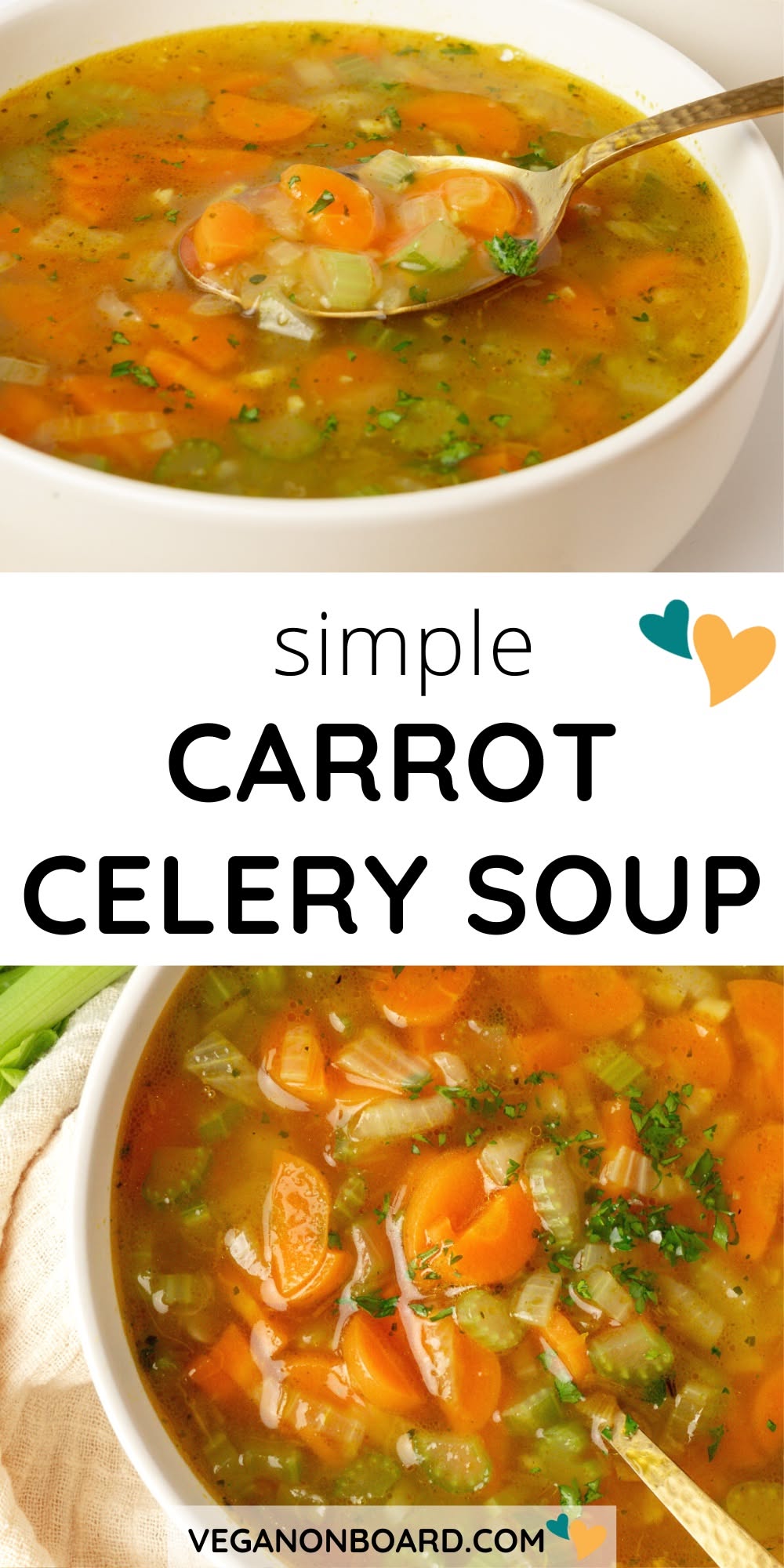
Carrots and Celery Recipes
Carrots and celery recipes turn two cheap vegetables into a glossy, savory braise that feeds six for under four dollars total.
🧂 Ingredients
- 2 lb (900g) carrots, peeled and cut into 2-inch batons
- 1 large head celery (about 10-12 ribs), cut into 2-inch lengths on a bias
- 3 tbsp (42g) unsalted butter
- 2 tbsp olive oil
- 1 medium yellow onion, sliced 1/4-inch thick
- 3 cloves garlic, thinly sliced
- 1 tsp fresh thyme leaves, stripped from the stems
- 1 cup (240ml) low-sodium chicken or vegetable stock
- 1 tsp kosher salt, plus more to taste
- 1/2 tsp freshly ground black pepper
- 1 tbsp fresh lemon juice
- 2 tbsp chopped fresh flat-leaf parsley, for finishing
📋 Instructions
- 1Prep the vegetables — Peel the carrots and cut them into 2-inch batons roughly the thickness of your thumb. Cut the celery into 2-inch lengths on a bias so each piece has more surface area to brown. Keep the pieces uniform; this is the single biggest factor in even cooking.
- 2Heat the pan — Set a 12-inch skillet over medium-high heat and add the olive oil. Wait until the oil shimmers and a drop of water flicked in sizzles instantly, about 2 minutes. A properly heated pan is what prevents sticking.
- 3Sear the carrots — Add the carrots in a single layer and cook undisturbed for 6 minutes at medium-high, around 375F (190C), until the undersides are golden brown. Stir once and cook another 4 minutes. You want color, not char.
- 4Add celery and onion — Push the carrots to the edges, add the butter, onion, and celery to the center, and cook 5 minutes at medium heat, about 325F (163C), until the onion turns translucent and the celery smells sweet rather than sharp. Stir everything together.
- 5Bloom the garlic — Add the garlic, thyme, salt, and pepper and stir constantly for 60 seconds. The garlic should smell fragrant but not brown; if it browns, the pan is too hot and the garlic will taste bitter.
- 6Braise in stock — Pour in the stock and scrape the browned bits off the bottom with a wooden spoon. Bring to a simmer, reduce heat to medium-low, around 300F (149C), cover, and cook 18 minutes. The carrots should pierce easily with a paring knife but not collapse.
- 7Reduce the glaze — Uncover and cook 4 to 5 minutes at medium heat until the liquid thickens and bubbles at the edges of the pan. Tilt the pan; the glaze should slide slowly, like warm honey, not run like water.
- 8Finish and serve — Turn off the heat, stir in the lemon juice and parsley, and taste for salt. Serve immediately while the glaze is still glossy. The dish holds its texture best in the first 20 minutes after cooking.

Diego covers personal finance and side hustles from the perspective of a former gig worker. He breaks down complex money topics into clear, step-by-step plans that anyone can follow. His focus is on building financial confidence through practical experiments and honest numbers.