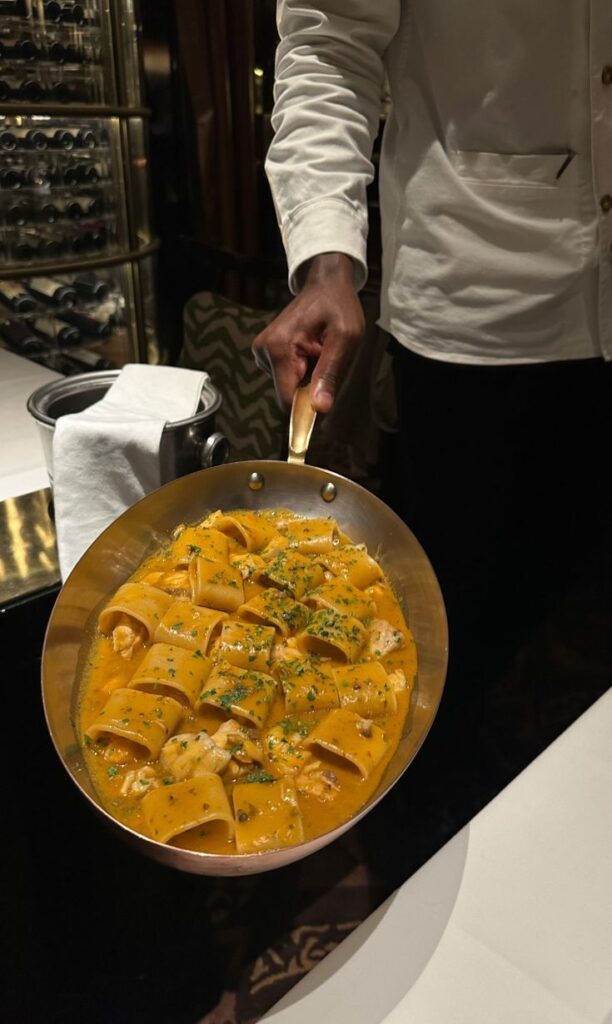
This One-Pan Stovetop Pasta with Garlic and Olive Oil is the dish I make when I want something that tastes like a slow Sunday supper but comes together on a Tuesday. Everything happens in one pan on the stove, stirred with a wooden spoon, so the pasta releases its starch right into the sauce and turns glossy instead of gluey.
Advertisements1
The magic is in the stir. As the pasta cooks in just enough liquid, that starch thickens the garlicky olive oil into a sauce that clings to every strand. No colander, no second pot, no fuss.
If you can boil water, you can make this. Grab your widest skillet, a wooden spoon, and 30 minutes. Let's cook.
Why You'll Love This Recipe
About the Ingredients
1 lb (454g) dried spaghetti or linguine
Long pasta works best here because it coils easily in a skillet. If you only have penne or rigatoni, use them and add 1/2 cup extra broth since short shapes absorb more liquid.
1/3 cup (80ml) extra-virgin olive oil
Use a fresh, fruity oil you enjoy the taste of, since it is the backbone of the sauce. A good swap is half olive oil and half unsalted butter for a richer, creamier finish.
8 garlic cloves, thinly sliced
Sliced garlic sweetens as it cooks, while minced garlic can burn in seconds. No fresh garlic? Use 2 teaspoons garlic paste stirred in at the end instead.
1/2 teaspoon red pepper flakes
This adds gentle warmth, not heat. For a milder dish, use 1/4 teaspoon, or swap in 1/2 teaspoon smoked paprika for a smoky note.
4 cups (960ml) low-sodium chicken or vegetable broth
Low-sodium lets you control the salt at the end. Vegetable broth keeps it vegetarian; water plus 1 teaspoon bouillon works in a pinch.
1 teaspoon fine sea salt, plus more to taste
Fine sea salt dissolves evenly into the cooking liquid. Kosher salt is a fine substitute, but use 1 1/4 teaspoons since the flakes are larger.
1/2 cup (50g) finely grated Parmesan or Pecorino Romano
Grate it yourself from a block for the smoothest melt; pre-shredded cheese often contains anti-caking starch that clumps. Nutritional yeast is a solid dairy-free swap.
1/4 cup (15g) chopped fresh flat-leaf parsley
Parsley adds a bright, fresh finish. Basil or torn spinach leaves are good substitutes; add spinach in the last 30 seconds so it just wilts.
1 tablespoon fresh lemon juice
A squeeze of acid wakes up the whole pan. White wine vinegar or a splash of dry white wine can stand in for the lemon.
Tips & Tricks
Keep the heat at medium, not high
Garlic goes from golden to bitter in under 30 seconds once the pan is too hot.
Finish off the heat
Adding cheese to a boiling pan makes it stringy; pull the pan off the burner first.
- Reserve 1/2 cup of the starchy cooking liquid before it fully absorbs: It is your insurance policy if the pasta looks dry at the end.
- Stir every 2 minutes with the wooden spoon: This keeps the pasta from sticking and helps the starch release into the sauce.
Pro Tips
Step-by-Step Instructions
1. Warm the oil and garlic
Set a 12-inch skillet over medium heat (about 350F / 175C) and add the olive oil. Add the sliced garlic and red pepper flakes and cook, stirring with a wooden spoon, for 60 to 90 seconds, until the garlic is pale golden and smells nutty. Do not let it brown.
2. Toast the pasta briefly
Add the dry pasta to the pan and toss it in the garlic oil for 1 minute. This light toasting gives the noodles a subtle nutty flavor and helps them hold their shape. The pasta will look shiny and smell toasted.
3. Add broth and salt
Pour in the broth and add 1 teaspoon salt. Raise the heat to medium-high (about 400F / 205C) and bring it to a lively simmer, about 3 to 4 minutes. You should see steady bubbles across the surface.
4. Simmer and stir
Cook the pasta for 9 to 11 minutes, stirring every 2 minutes with the wooden spoon so it does not stick. The pasta is done when it is al dente, tender but with a slight firm bite at the center, and the liquid has reduced to a glossy, saucy coating.
5. Check the texture
If the pan looks dry before the pasta is tender, add hot water 1/4 cup at a time. If it is soupy, simmer uncovered for 1 to 2 more minutes. The sauce should cling to the spoon, not run off like water.
6. Finish off the heat
Remove the pan from the burner and stir in the Parmesan, parsley, and lemon juice. Toss for 30 seconds until the cheese melts into a smooth, silky sauce. Taste and add salt or lemon as needed.
7. Rest and serve
Let the pasta rest in the pan for 2 minutes so the sauce thickens slightly and clings. Twirl into bowls with a fork or tongs and top with extra Parmesan and parsley.
Delicious Variations
Spicy Arrabbiata Skillet
Double the red pepper flakes and add 1 cup crushed tomatoes with the broth for a punchy, red sauce version.
Lemon-Butter Shrimp Pasta
Swap 1 cup of broth for white wine, add 1 lb raw shrimp in the last 3 minutes, and finish with 2 tablespoons butter.
Creamy Mushroom One-Pan
Saute 8 oz sliced mushrooms with the garlic, then stir in 1/4 cup heavy cream at the end for a cozy, earthy twist.
How to Store One-Pan Stovetop Pasta with Garlic and Olive Oil
Refrigerator
Store leftovers in an airtight container in the refrigerator for up to 3 days. The pasta will absorb sauce as it sits, so add a splash of water or broth when reheating.
Freezer
Freeze in a freezer-safe container for up to 2 months. Thaw overnight in the refrigerator for best texture, since pasta can soften when frozen.
Reheating
Reheat in a skillet over medium-low heat (about 300F / 150C) with 1 to 2 tablespoons of water, stirring until hot, about 4 to 5 minutes. The microwave works too, but the stovetop keeps the pasta firmer.
Frequently Asked Questions
Q: Can I make this one-pan pasta without broth?
Yes, you can use water plus 1 teaspoon of bouillon or 1 tablespoon of soy sauce for depth. The broth mainly adds flavor, so well-salted water works fine in a pinch. Just taste and adjust the seasoning at the end.
Q: Why did my garlic turn bitter?
Your pan was too hot or the garlic cooked too long, so it went past golden into burnt. Keep the heat at medium (about 350F / 175C) and pull the garlic as soon as it smells nutty and looks pale gold, about 60 to 90 seconds. If it does burn, wipe the pan and start the oil and garlic again.
Q: Can I use a different pasta shape?
Yes, short shapes like penne or rigatoni work, but add 1/2 cup extra broth because they absorb more liquid. Cooking time may shift by 1 to 2 minutes, so check for al dente at the 9-minute mark. Long pasta like spaghetti or linguine is easiest to toss in a skillet.
Q: How do I keep the pasta from sticking to the pan?
Stir every 2 minutes with a wooden spoon and keep the liquid at a steady simmer, not a rolling boil. A wide 12-inch skillet also gives the pasta room to move. If it still sticks, add 2 tablespoons of hot water and scrape up the bottom.
Q: Is this dish vegetarian?
It is vegetarian if you use vegetable broth and a vegetarian hard cheese, since traditional Parmesan contains animal rennet. Pecorino Romano is not vegetarian, so check labels or use a plant-based hard cheese. Nutritional yeast also works as a dairy-free substitute.
Grab your widest skillet and a wooden spoon, and give this one-pan stovetop pasta a try tonight. It is the kind of simple, silky dinner that makes you feel like a pro with almost no cleanup. One small step: toast that garlic just until it smells nutty, and you will taste the difference. Small steps, big change.
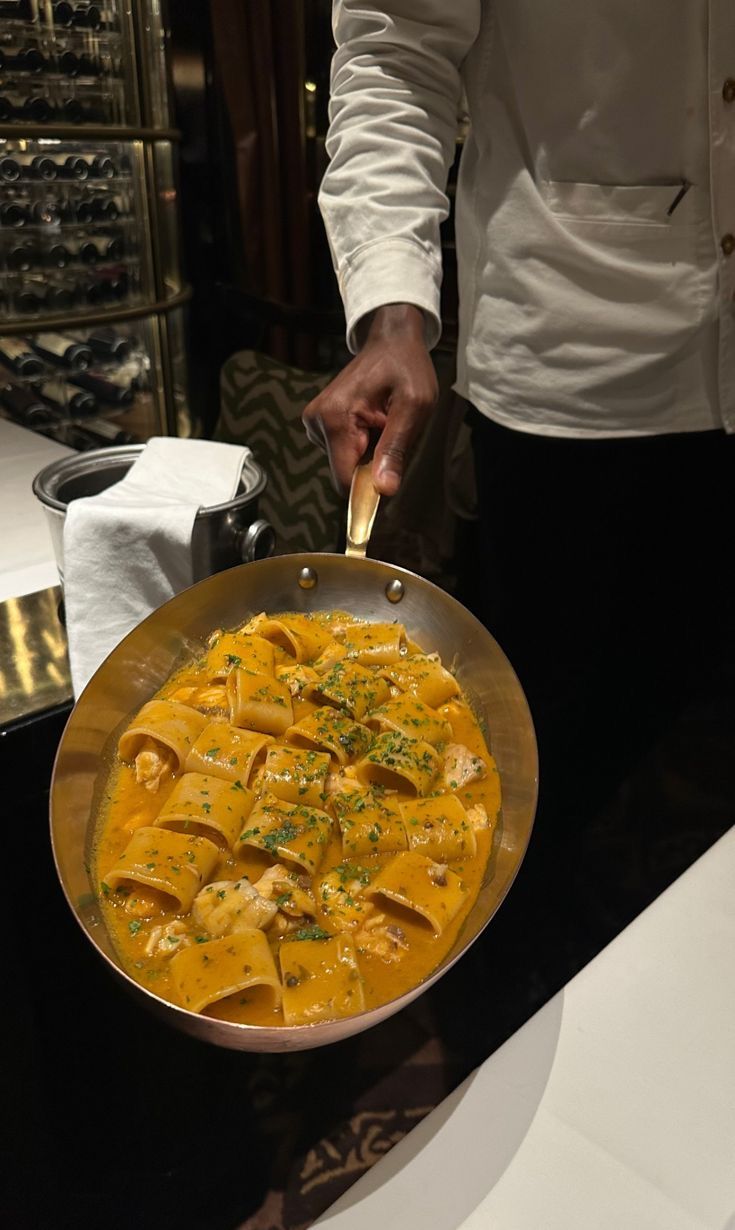
One-Pan Stovetop Pasta with Garlic and Olive Oil
One-Pan Stovetop Pasta with Garlic and Olive Oil cooks in a single skillet for a silky, restaurant-worthy dinner in about 30 minutes.
🧂 Ingredients
- 1 lb (454g) dried spaghetti or linguine
- 1/3 cup (80ml) extra-virgin olive oil
- 8 garlic cloves, thinly sliced
- 1/2 teaspoon red pepper flakes
- 4 cups (960ml) low-sodium chicken or vegetable broth
- 1 teaspoon fine sea salt, plus more to taste
- 1/2 cup (50g) finely grated Parmesan or Pecorino Romano
- 1/4 cup (15g) chopped fresh flat-leaf parsley
- 1 tablespoon fresh lemon juice
📋 Instructions
- 1Warm the oil and garlic — Set a 12-inch skillet over medium heat (about 350F / 175C) and add the olive oil. Add the sliced garlic and red pepper flakes and cook, stirring with a wooden spoon, for 60 to 90 seconds, until the garlic is pale golden and smells nutty. Do not let it brown.
- 2Toast the pasta briefly — Add the dry pasta to the pan and toss it in the garlic oil for 1 minute. This light toasting gives the noodles a subtle nutty flavor and helps them hold their shape. The pasta will look shiny and smell toasted.
- 3Add broth and salt — Pour in the broth and add 1 teaspoon salt. Raise the heat to medium-high (about 400F / 205C) and bring it to a lively simmer, about 3 to 4 minutes. You should see steady bubbles across the surface.
- 4Simmer and stir — Cook the pasta for 9 to 11 minutes, stirring every 2 minutes with the wooden spoon so it does not stick. The pasta is done when it is al dente, tender but with a slight firm bite at the center, and the liquid has reduced to a glossy, saucy coating.
- 5Check the texture — If the pan looks dry before the pasta is tender, add hot water 1/4 cup at a time. If it is soupy, simmer uncovered for 1 to 2 more minutes. The sauce should cling to the spoon, not run off like water.
- 6Finish off the heat — Remove the pan from the burner and stir in the Parmesan, parsley, and lemon juice. Toss for 30 seconds until the cheese melts into a smooth, silky sauce. Taste and add salt or lemon as needed.
- 7Rest and serve — Let the pasta rest in the pan for 2 minutes so the sauce thickens slightly and clings. Twirl into bowls with a fork or tongs and top with extra Parmesan and parsley.