
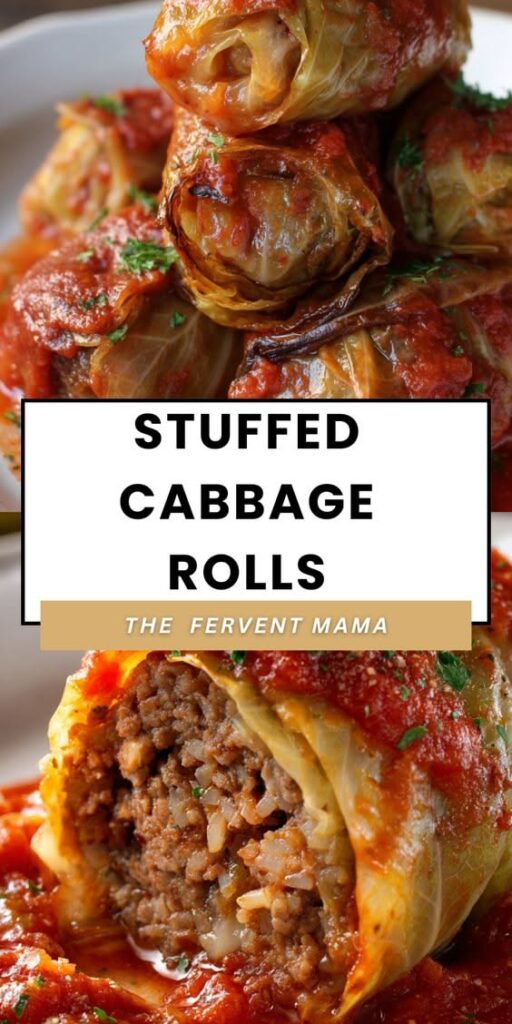
Polish Stuffed Cabbage, known as golabki, is a cabbage leaf wrapped around a beef-and-rice filling and braised in tomato sauce until everything goes soft and sweet. The payoff is concrete: one head of cabbage plus a pound of beef feeds six people for about $2.10 a plate, and it reheats better than it cooks the first time.
Advertisements1
Most recipes tell you to boil a whole head of cabbage and hope the leaves peel clean. That wastes 20 minutes and burns your fingers. I freeze the head overnight instead, then core it and pull whole leaves off in seconds. No pot of boiling water, no torn wrappers.
The filling is not a meatloaf. I keep the rice par-cooked and the onion raw-grated so the rolls stay loose and juicy instead of turning into dense bricks. The sauce is tomato paste, not marinara, because paste carries more acid and body per spoon.
Why You'll Love This Recipe
About the Ingredients
1 large head green cabbage (about 3 lb / 1.4 kg)
Green cabbage holds its shape better than savoy or napa when rolled. Buy one that feels heavy for its size with tight, crisp outer leaves.
1 lb (450 g) ground beef, 80/20 lean-to-fat
The 20% fat keeps the filling moist during the long braise. Ground pork or a beef-pork mix is a traditional and equally good swap.
1 cup (185 g) uncooked long-grain white rice
Par-cooked rice absorbs sauce without turning to mush. Do not use instant rice; it collapses inside the roll.
1 medium yellow onion (about 1 cup / 160 g), grated
Grating instead of dicing releases onion juice that seasons the meat from the inside. A box grater on the coarse side is fastest.
1 large egg
The egg binds the filling so rolls survive the flip. If you are out, 2 tablespoons of cold water plus extra mixing works in a pinch.
1 tsp (6 g) fine salt, plus more for the cabbage water
Kosher salt works but weighs differently, so use a little more if you swap. Fine salt dissolves evenly into the raw meat.
1/2 tsp (1 g) black pepper
Fresh-cracked pepper tastes brighter than pre-ground. White pepper is a fine substitute if you want less visible fleck.
2 tbsp (30 ml) neutral oil, for the pot
Canola or vegetable oil handles the sear without smoking. Do not use extra-virgin olive oil here; it burns at this heat.
2 tbsp (32 g) tomato paste
Paste, not jarred sauce, gives the deep tangy base. If you only have marinara, use 1 cup and skip the water.
1 can (15 oz / 425 g) crushed tomatoes
Crushed tomatoes add body and small tomato bits. Diced tomatoes make a thinner sauce, so crush them by hand if that is all you have.
1 cup (240 ml) low-sodium beef broth
Broth keeps the braise savory. Chicken broth or water plus an extra half-teaspoon of salt both work.
1 tbsp (15 ml) distilled white vinegar
Vinegar cuts the tomato sweetness and mimics the tang of traditional sauerkraut leaves. Apple cider vinegar is a straight swap.
Tips & Tricks
- Freeze the cabbage head overnight, then thaw it on the counter for 2 hours before rolling. The ice crystals rupture the cell walls so whole leaves peel off without tearing.
- Par-cook the rice only to al dente, about 10 minutes in boiling water, then drain. Fully cooked rice keeps absorbing liquid in the oven and turns the filling into paste.
- Shave the thick central rib of each leaf with a paring knife held flat. A thick rib will not roll tight and pokes holes through the wrapper.
- Do not overfill. Two to three tablespoons of filling per leaf is the ceiling; a fat roll bursts at the seam during the flip.
Pro Tips
Step-by-Step Instructions
1. Freeze and peel cabbage
Freeze the whole head overnight, thaw 2 hours at room temperature, then cut out the core and peel off 12 to 14 large leaves. The leaves come away intact with no boiling water and no burned fingers.
2. Par-cook the rice
Boil the rice in salted water for 10 minutes at 212 F (100 C), drain, and spread on a plate to cool. It should be firm in the center with a chalky bite, not fully tender.
3. Mix the filling
Combine beef, par-cooked rice, grated onion, egg, 1 tsp salt, and pepper in a bowl and mix with your hands just until uniform, about 30 seconds. Overmixing makes the filling springy and tough.
4. Roll the golabki
Shave the thick rib of each leaf flat, place 2 to 3 tablespoons of filling near the stem end, fold the sides in, and roll tight. You should get 12 to 14 rolls from one head.
5. Build the pot
Heat 2 tbsp oil in a Dutch oven over medium-high, about 375 F (190 C), and cook the tomato paste for 2 minutes until it darkens to brick red and smells sweet. Stir in crushed tomatoes, broth, and vinegar, then simmer 3 minutes.
6. Nest and braise
Set the rolls seam-side down in the sauce in a single layer, cover, and bake at 350 F (175 C) for 45 minutes. The sauce should be bubbling at the edges and a roll should read 165 F (74 C) on an instant-read thermometer.
7. Rest and serve
Pull the pot from the oven and rest 15 minutes uncovered so the sauce thickens and the filling sets. Spoon sauce over each roll and serve hot.
Delicious Variations
Mushroom-Walnut
Swap the beef for 12 oz (340 g) chopped mushrooms and 1 cup toasted walnuts for a meatless version with real umami.
Smoky Paprika
Add 1 tbsp smoked paprika to the sauce and use ground pork for a sweeter, smokier roll.
Sauerkraut Style
Line the pot with 2 cups drained sauerkraut and use its brine instead of vinegar for the classic sour-leaf flavor.
How to Store Polish Stuffed Cabbage
Refrigerator
Cool within 2 hours, then store rolls covered in their sauce for up to 4 days. The flavor actually improves on day two.
Freezer
Freeze rolls in sauce in a freezer-safe container for up to 3 months; freeze in single layers or they fuse into one block.
Reheating
Reheat covered at 325 F (165 C) for 25 minutes from frozen or 12 minutes from thawed, until the center hits 165 F (74 C).
Frequently Asked Questions
Q: Do you have to boil cabbage for golabki?
No, freezing the head overnight and thawing it makes the leaves pliable enough to peel and roll without any boiling. It saves about 20 minutes and prevents torn leaves. If you are short on time, boiling for 3 minutes per head works too.
Q: What is the difference between golabki and halupki?
They are the same dish under different names: golabki is the Polish term, while halupki is the Slovak and Hungarian-influenced name used in Pennsylvania coal country. Both are cabbage rolls with a meat-and-rice filling in tomato sauce. Regional families argue about the sauce, not the technique.
Q: Can I make Polish stuffed cabbage ahead of time?
Yes, assemble the rolls up to 24 hours ahead and refrigerate them covered in sauce before baking. Add 10 minutes to the covered bake time since they start cold. You can also bake it fully, cool it, and reheat the next day with no quality loss.
Q: Why are my cabbage rolls tough?
Tough rolls usually mean undercooked cabbage or too little liquid in the pot. The leaves need 45 minutes of covered braising in sauce to soften fully, and the sauce should come halfway up the rolls. If your leaves were thick, braise an extra 15 minutes.
Q: What do you serve with golabki?
Mashed potatoes, crusty rye bread, or a simple cucumber salad with sour cream are the standard sides. The sauce is rich, so something acidic and cold balances the plate. Skip anything with its own tomato base.
Make a double batch, freeze half, and thank yourself on a random Tuesday. If you try the freezer-peel trick, tell me whether it beat your old boiling method. Keep your receipts.
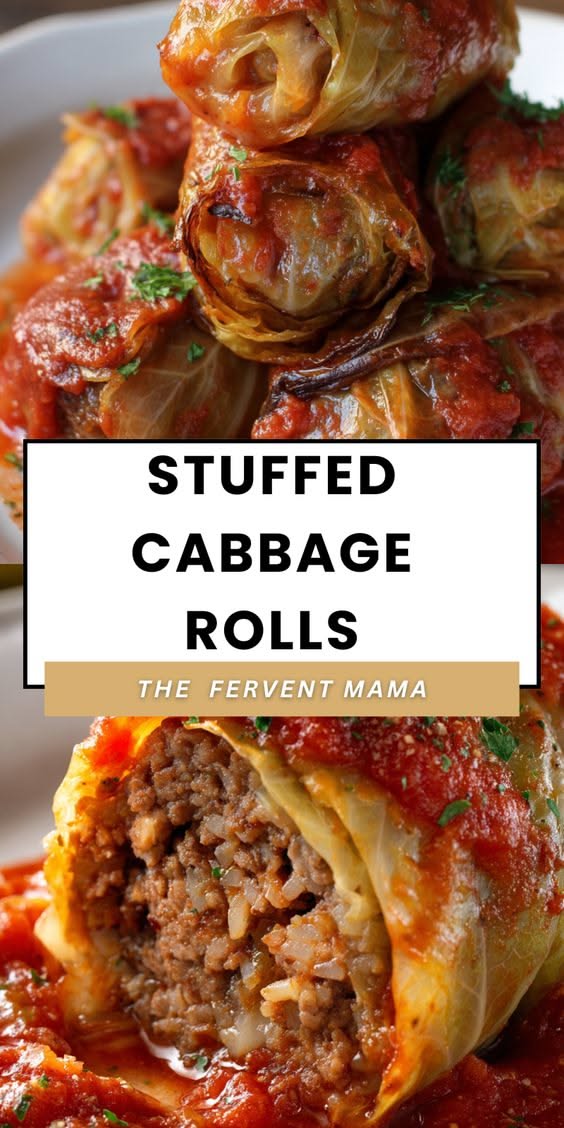
Polish Stuffed Cabbage
Polish Stuffed Cabbage (golabki) simmers tender beef-and-rice rolls in tangy tomato sauce for a filling, freezer-friendly comfort dinner.
🧂 Ingredients
- 1 large head green cabbage (about 3 lb / 1.4 kg)
- 1 lb (450 g) ground beef, 80/20 lean-to-fat
- 1 cup (185 g) uncooked long-grain white rice
- 1 medium yellow onion (about 1 cup / 160 g), grated
- 1 large egg
- 1 tsp (6 g) fine salt, plus more for the cabbage water
- 1/2 tsp (1 g) black pepper
- 2 tbsp (30 ml) neutral oil, for the pot
- 2 tbsp (32 g) tomato paste
- 1 can (15 oz / 425 g) crushed tomatoes
- 1 cup (240 ml) low-sodium beef broth
- 1 tbsp (15 ml) distilled white vinegar
📋 Instructions
- 1Freeze and peel cabbage — Freeze the whole head overnight, thaw 2 hours at room temperature, then cut out the core and peel off 12 to 14 large leaves. The leaves come away intact with no boiling water and no burned fingers.
- 2Par-cook the rice — Boil the rice in salted water for 10 minutes at 212 F (100 C), drain, and spread on a plate to cool. It should be firm in the center with a chalky bite, not fully tender.
- 3Mix the filling — Combine beef, par-cooked rice, grated onion, egg, 1 tsp salt, and pepper in a bowl and mix with your hands just until uniform, about 30 seconds. Overmixing makes the filling springy and tough.
- 4Roll the golabki — Shave the thick rib of each leaf flat, place 2 to 3 tablespoons of filling near the stem end, fold the sides in, and roll tight. You should get 12 to 14 rolls from one head.
- 5Build the pot — Heat 2 tbsp oil in a Dutch oven over medium-high, about 375 F (190 C), and cook the tomato paste for 2 minutes until it darkens to brick red and smells sweet. Stir in crushed tomatoes, broth, and vinegar, then simmer 3 minutes.
- 6Nest and braise — Set the rolls seam-side down in the sauce in a single layer, cover, and bake at 350 F (175 C) for 45 minutes. The sauce should be bubbling at the edges and a roll should read 165 F (74 C) on an instant-read thermometer.
- 7Rest and serve — Pull the pot from the oven and rest 15 minutes uncovered so the sauce thickens and the filling sets. Spoon sauce over each roll and serve hot.