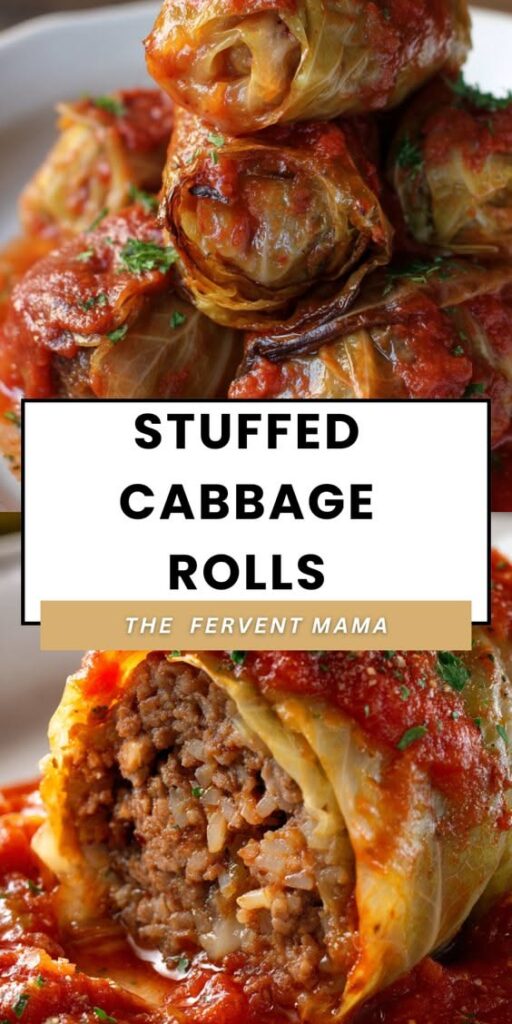
Picture this: it's a cold Tuesday, your grocery budget is tight, and you still want a dinner that makes the whole house smell like somebody's grandmother has been cooking all afternoon. That's exactly where Polish Stuffed Cabbage earns its keep. It's the culinary version of a boring index fund: humble ingredients, patient assembly, and a payoff that quietly outperforms anything flashy.
Advertisements1
Cabbage rolls are basically a savings plan. You spend a little effort up front – softening leaves, mixing filling, rolling them tight – and then the oven does the compounding for you while the sauce thickens and the beef turns fork-tender. Skip the prep and you're eating loose cabbage soup; do the prep and you've got a meal that feeds six with leftovers for lunch.
This version keeps it honest: no twelve-ingredient sauce, no fussy technique. Just tomato, pork and beef, rice, onion, and a cabbage big enough to wrap everything. If you've never made golumpki before, follow the steps in order and trust the process.
Why You'll Love This Recipe
About the Ingredients
1 large head green cabbage (about 3 lb / 1.4 kg)
Look for a heavy, tight head with crisp outer leaves; savoy cabbage works too and its crinkly leaves are actually easier to roll. Avoid heads with soft or slimy outer layers.
1 lb (450 g) ground beef (80/20)
The 20% fat keeps the filling juicy; 90/10 gets dry and crumbly. Ground turkey works as a substitute, but add 1 tablespoon olive oil to the filling to compensate.
1/2 lb (225 g) ground pork
Pork adds the classic Polish richness. If you don't eat pork, use an equal weight of ground beef or a 50/50 mix of beef and ground chicken thigh.
1 cup (185 g) uncooked long-grain white rice
Rinse it until the water runs clear so the rolls aren't gluey. Short-grain rice turns mushy here, so stick with long-grain or jasmine.
1 large yellow onion, finely diced (about 1 1/2 cups)
Yellow onion gives the sweetest, deepest base; white onion is a fine swap. Save the trimmings – they go into the sauce.
2 large eggs, lightly beaten
Eggs bind the filling so the rolls hold together when sliced. Flax eggs (2 tbsp ground flax + 6 tbsp water) work for an egg-free version.
1 tsp fine salt, plus more for the cabbage water
Kosher salt is the better default for meat because it dissolves evenly. If using table salt, reduce to 3/4 teaspoon.
1/2 tsp freshly ground black pepper
Fresh-cracked pepper tastes brighter than pre-ground. Add a pinch of marjoram or dried thyme here if you have it.
2 tbsp unsalted butter
Butter builds the sauce's body; olive oil or bacon fat both work and add their own character. Don't skip the fat – it carries the tomato flavor.
3 cups (720 ml) tomato passata or crushed tomatoes
Passata is smooth and slightly sweet; crushed tomatoes are chunkier and more rustic. A 28-oz can of good San Marzano-style tomatoes is the best substitute.
2 tbsp tomato paste
Tubes beat cans here because you only use a little. If you only have ketchup, use 3 tablespoons and cut the brown sugar in half.
1 tbsp brown sugar, plus 1 tbsp cider vinegar
The sugar-vinegar pair balances the tomato's acidity. Honey can replace the sugar, and lemon juice can replace the vinegar in a pinch.
Tips & Tricks
Don't overfill the rolls
About 1/3 cup of filling per leaf is the sweet spot. Overstuffed rolls split during baking and leak their juices into the sauce.
Par-boil, don't boil
Two minutes in simmering water is enough to make leaves pliable. Longer and they tear when you roll them.
Season the sauce, not just the meat
Taste the tomato mixture before it goes in the pan. If it tastes flat, it needs salt; if it tastes harsh, it needs the sugar.
Pack them seam-side down
Nestle rolls tightly together in a single layer. Gaps let the sauce boil around them instead of gently braising them.
Pro Tips
Step-by-Step Instructions
1. Freeze or boil the cabbage
If you planned ahead, freeze the head overnight and thaw it; otherwise core it and simmer the whole head in salted water at 212 F (100 C) for 8 to 10 minutes, until the outer leaves pull away easily without tearing. A paring knife should slide into the core with light resistance.
2. Make the filling
Soak the rice in warm water for 10 minutes and drain. In a large bowl, combine the beef, pork, drained rice, onion, eggs, 1 teaspoon salt, and pepper. Mix with your hands just until uniform – overmixing makes the filling dense and bouncy.
3. Build the sauce
Melt the butter in a saucepan over medium heat at 350 F (175 C) and cook the tomato paste for 1 minute until it darkens and smells sweet. Add the passata, brown sugar, vinegar, and 1/2 teaspoon salt. Simmer 5 minutes until slightly thickened and glossy.
4. Roll the cabbage
Trim the thick rib from each leaf with a V-shaped cut. Place about 1/3 cup filling near the stem end, fold the sides in, and roll away from you into a tight cylinder. Repeat with the remaining leaves – you should get 16 to 20 rolls.
5. Layer the baking dish
Spread 1 cup of sauce in a 9×13-inch baking dish and line it with any torn or extra leaves. Arrange the rolls seam-side down in a snug single layer, then pour the remaining sauce over the top so every roll is at least half-submerged.
6. Bake covered
Cover tightly with foil and bake at 350 F (175 C) for 60 minutes. The sauce should be bubbling at the edges and the cabbage should pierce easily with a knife.
7. Uncover and brown
Remove the foil and bake another 15 to 20 minutes at 350 F (175 C) until the tops are lightly golden and the sauce has reduced and coats the back of a spoon. An instant-read thermometer in the center of a roll should read 165 F (74 C).
8. Rest and serve
Let the dish rest 10 minutes so the filling sets and the sauce thickens. Spoon sauce over each roll and serve with mashed potatoes, crusty bread, or a sharp dill pickle on the side.
Delicious Variations
Mushroom Barley Version
Swap the rice for 1 cup cooked pearl barley and replace the pork with 8 oz finely chopped mushrooms for an earthy, meat-light roll.
Smoky Bacon Sauce
Lay 4 slices of thick-cut bacon over the rolls before baking and reduce the brown sugar to 2 teaspoons for a smoky, savory sauce.
Hungarian-Style
Add 1 teaspoon sweet paprika and 1/4 teaspoon caraway seed to the filling and stir 1/2 cup sour cream into the sauce after baking.
How to Store Polish Stuffed Cabbage
Refrigerator
Cool within 2 hours, then store rolls in their sauce in an airtight container for up to 4 days. The flavor actually improves on day two.
Freezer
Freeze rolls with sauce in a freezer-safe container for up to 3 months. Thaw overnight in the refrigerator before reheating to keep the texture intact.
Reheating
Reheat covered at 325 F (165 C) for 25 to 30 minutes, or microwave individual rolls for 2 minutes with a splash of water. Add a little extra tomato sauce if it looks dry.
Frequently Asked Questions
Q: Why do my cabbage rolls fall apart?
Overfilling and undercooking the leaves are the two main culprits. Use only about 1/3 cup of filling per leaf, par-boil the leaves until fully pliable, and always place rolls seam-side down so they hold themselves shut.
Q: Do I have to boil the cabbage before making golumpki?
No – freezing the whole head overnight and thawing it makes the leaves pliable without any boiling. If you're short on time, boiling is faster, but freezing gives you cleaner, more intact leaves.
Q: Can I make Polish stuffed cabbage ahead of time?
Yes, and it's actually better that way. Assemble the rolls up to 24 hours ahead, cover, and refrigerate; add 10 minutes to the covered bake time since they start cold.
Q: What do you serve with cabbage rolls?
Mashed potatoes are the classic pairing because they soak up the tomato sauce. Crusty rye bread, buttered egg noodles, or a simple cucumber-and-dill salad all work well too.
Q: How do I know when cabbage rolls are fully cooked?
The cabbage should pierce easily with a knife and the filling should register 165 F (74 C) on an instant-read thermometer. If the leaves still resist, bake covered for another 10 to 15 minutes.
Give this Polish Stuffed Cabbage a shot this weekend – it's the kind of dish that rewards patience and pays you back in leftovers. Make a double batch, freeze half, and thank yourself on a busy Wednesday. Keep it simple, keep it growing.
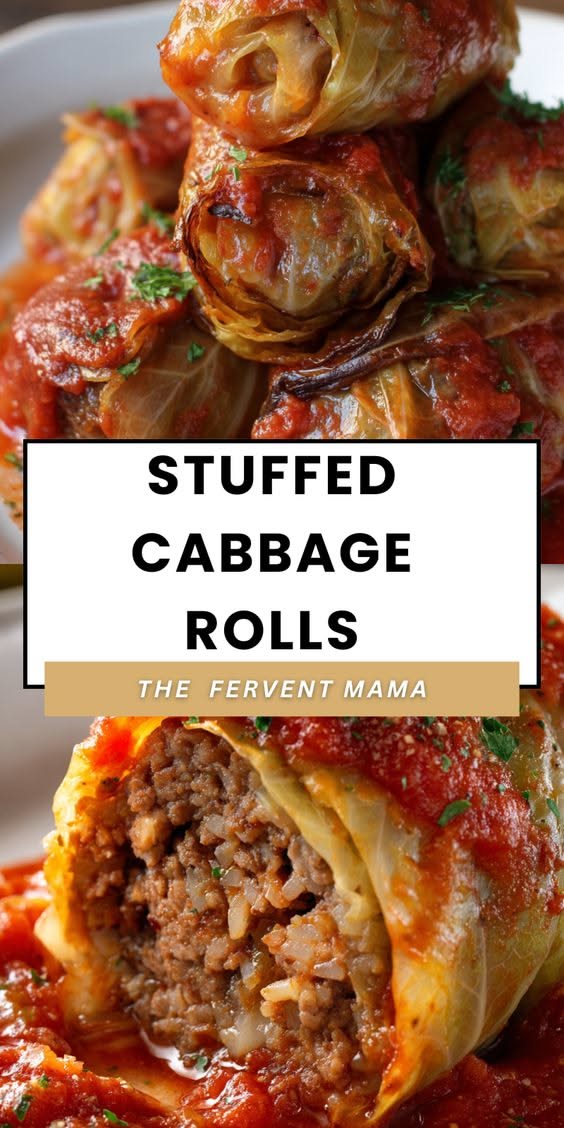
Polish Stuffed Cabbage
Polish Stuffed Cabbage (golumpki) delivers tender beef-and-rice rolls braised in rich tomato sauce for a cozy, crowd-pleasing dinner.
🧂 Ingredients
- 1 large head green cabbage (about 3 lb / 1.4 kg)
- 1 lb (450 g) ground beef (80/20)
- 1/2 lb (225 g) ground pork
- 1 cup (185 g) uncooked long-grain white rice
- 1 large yellow onion, finely diced (about 1 1/2 cups)
- 2 large eggs, lightly beaten
- 1 tsp fine salt, plus more for the cabbage water
- 1/2 tsp freshly ground black pepper
- 2 tbsp unsalted butter
- 3 cups (720 ml) tomato passata or crushed tomatoes
- 2 tbsp tomato paste
- 1 tbsp brown sugar, plus 1 tbsp cider vinegar
📋 Instructions
- 1Freeze or boil the cabbage — If you planned ahead, freeze the head overnight and thaw it; otherwise core it and simmer the whole head in salted water at 212 F (100 C) for 8 to 10 minutes, until the outer leaves pull away easily without tearing. A paring knife should slide into the core with light resistance.
- 2Make the filling — Soak the rice in warm water for 10 minutes and drain. In a large bowl, combine the beef, pork, drained rice, onion, eggs, 1 teaspoon salt, and pepper. Mix with your hands just until uniform – overmixing makes the filling dense and bouncy.
- 3Build the sauce — Melt the butter in a saucepan over medium heat at 350 F (175 C) and cook the tomato paste for 1 minute until it darkens and smells sweet. Add the passata, brown sugar, vinegar, and 1/2 teaspoon salt. Simmer 5 minutes until slightly thickened and glossy.
- 4Roll the cabbage — Trim the thick rib from each leaf with a V-shaped cut. Place about 1/3 cup filling near the stem end, fold the sides in, and roll away from you into a tight cylinder. Repeat with the remaining leaves – you should get 16 to 20 rolls.
- 5Layer the baking dish — Spread 1 cup of sauce in a 9×13-inch baking dish and line it with any torn or extra leaves. Arrange the rolls seam-side down in a snug single layer, then pour the remaining sauce over the top so every roll is at least half-submerged.
- 6Bake covered — Cover tightly with foil and bake at 350 F (175 C) for 60 minutes. The sauce should be bubbling at the edges and the cabbage should pierce easily with a knife.
- 7Uncover and brown — Remove the foil and bake another 15 to 20 minutes at 350 F (175 C) until the tops are lightly golden and the sauce has reduced and coats the back of a spoon. An instant-read thermometer in the center of a roll should read 165 F (74 C).
- 8Rest and serve — Let the dish rest 10 minutes so the filling sets and the sauce thickens. Spoon sauce over each roll and serve with mashed potatoes, crusty bread, or a sharp dill pickle on the side.

Kwame covers personal finance and investing for beginners, breaking down complex topics into clear, relatable examples. He focuses on building wealth through simple habits and avoiding common money mistakes.