
Here is the fact that ruins most pork dinners: pork tenderloin is 98 percent lean, which means it has almost no fat to bail you out when you overcook it. That is exactly why people call it dry, and exactly why I built this collection around temperature, not guesswork.
Advertisements1
I tested ten versions – seared, roasted, grilled, slow-cooked, glazed, stuffed, and sliced cold for sandwiches – and every single one lands at an internal 145F (63C). That number is the whole game. Not 160F. Not 170F. 145F, then rest.
Below you get the full master recipe plus nine riffs that swap the flavor profile without changing the technique. One sheet pan, one skillet, one thermometer. Stay curious, stay private.
Why You'll Love This Recipe
About the Ingredients
2 whole pork tenderloins, about 1 lb (450g) each, silvery membrane trimmed
Look for two tenderloins in one vacuum pack – they usually weigh 2 to 3 lb total. If your store only sells single loins, buy two packs and freeze the extra.
2 tbsp (30ml) neutral oil, such as avocado or canola
Avocado oil has a 500F (260C) smoke point, which matters for a hard sear. Olive oil works but will smoke earlier – use light olive, not extra virgin.
1 tbsp (9g) kosher salt
Diamond Crystal kosher is half as salty by volume as Morton. If you only have table salt, cut this to 2 tsp or the crust will taste like seawater.
1 tsp (2g) freshly cracked black pepper
Crack it yourself – pre-ground pepper has already lost most of its oils. A coffee grinder reserved for spices gives you a finer, more even crust.
1 tbsp (8g) smoked paprika
Smoked paprika brings color and a campfire note without heat. Sweet Hungarian paprika is the swap if you want it milder.
1 tsp (3g) garlic powder
Granulated garlic beats fresh here because fresh garlic burns black in a screaming-hot pan. Onion powder is a fine substitute.
1 tsp (2g) dried thyme
Crush it between your palms first to wake up the oils. Rosemary or oregano both work, but use half the amount – they are louder.
2 tbsp (28g) unsalted butter
Cold butter, cut into four pieces, so it foams instead of burning. Ghee is the dairy-free swap and actually browns better.
3 cloves garlic, smashed and left whole
Smashed, not minced – whole cloves perfume the pan butter without scorching. Skip it entirely if garlic powder is already in your rub.
1 tbsp (15ml) fresh lemon juice, about half a lemon
Added off the heat so it stays bright. Apple cider vinegar is the substitute if you are out of citrus.
Tips & Tricks
Dry the surface or you steam the meat
Pat the tenderloins completely dry with paper towels before seasoning. Wet meat hits the pan, drops the temperature, and boils instead of browning – you get gray pork with no crust.
Rest it or lose the juice
Ten minutes on a cutting board, tented loosely with foil. Cut at five minutes and you will watch a half cup of juice run out onto the board instead of staying in the meat.
Watch the taper
The thin tail end of a tenderloin cooks faster than the thick head. Tuck the tail under and tie it, or lay the thin ends toward the cooler side of the pan.
- Do not trust the timer, trust the thermometer: Pull the pork at 140F (60C) and let carryover heat finish it to 145F (63C). Every oven runs 25F hot or cold, and a $15 instant-read thermometer is cheaper than one ruined dinner.
Pro Tips
Step-by-Step Instructions
1. Heat the oven
Set a rack in the middle and preheat to 425F (220C). A hot oven gives you a fast roast that browns the outside before the lean interior dries out.
2. Dry and season
Pat both tenderloins bone dry with paper towels, then rub with the oil and coat evenly with salt, pepper, smoked paprika, garlic powder, and crushed thyme. Let them sit at room temperature for 15 minutes while the oven finishes heating.
3. Sear the first side
Heat a large oven-safe skillet over medium-high until a drop of water evaporates on contact, about 2 minutes. Lay in the tenderloins and sear undisturbed for 3 minutes – you want deep golden brown, not tan. If they stick, they are not ready to flip.
4. Turn and add butter
Flip the loins, add the cold butter and smashed garlic, and sear 2 minutes more, tilting the pan and spooning the foaming butter over the tops. The butter should smell nutty, never black – if it darkens, pull the pan off the heat for 20 seconds.
5. Roast to temperature
Slide the skillet into the 425F (220C) oven and roast 12 to 15 minutes, until an instant-read thermometer in the thickest part reads 140F (60C). Start checking at 10 minutes – thin loins can be done early.
6. Rest the meat
Move the pork to a cutting board and tent loosely with foil for 10 minutes. Carryover heat brings it to a final 145F (63C), which is the USDA-recommended safe temperature and the juiciest one you will get.
7. Build the pan sauce
While the pork rests, set the skillet over medium heat, add the lemon juice, and scrape up the browned bits with a wooden spoon for 60 seconds until the sauce coats the back of the spoon. If it tightens too much, splash in 2 tbsp water.
8. Slice and serve
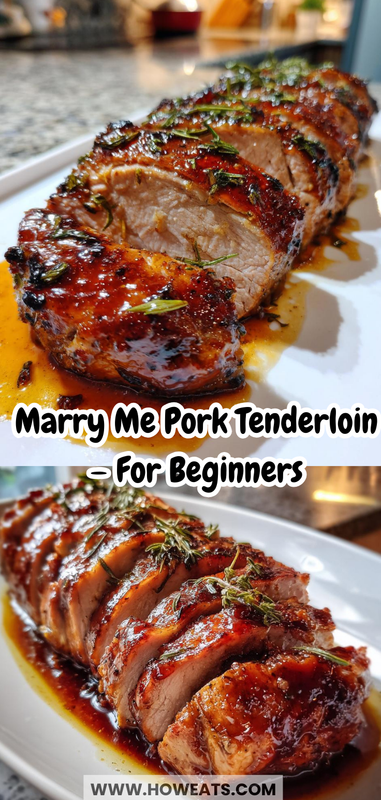
Cut against the grain into half-inch medallions, shingle them on a platter, and spoon the pan sauce over the top. The centers should be faintly blush pink – that is correct, not undercooked.
Delicious Variations
Maple-Dijon Glaze
Whisk 2 tbsp maple syrup with 1 tbsp Dijon and brush it on during the last 5 minutes of roasting. The sugars caramelize into a lacquered crust.
Chimichurri Tenderloin
Skip the pan sauce and spoon 1/2 cup of fresh parsley-garlic-vinegar chimichurri over the sliced medallions. Bright, herby, and zero cooking required.
Bacon-Wrapped and Smoked
Wrap each loin in 6 slices of thin bacon, then smoke at 225F (107C) for about 90 minutes to an internal 145F (63C). The bacon bastes the lean meat the whole way.
How to Store Top 10 Pork Tenderloin Recipes
Refrigerator
Store sliced or whole pork in an airtight container for up to 4 days. Keep the pan sauce separate so the meat does not sit in liquid and turn mushy.
Freezer
Wrap whole cooled tenderloins tightly in plastic then foil and freeze up to 3 months. Thaw overnight in the refrigerator, never on the counter.
Reheating
Reheat gently at 300F (150C) for 8 to 10 minutes, or in a covered skillet with a splash of water. Anything above 325F (163C) will push it past 145F and dry it out.
Frequently Asked Questions
Q: What temperature should pork tenderloin be cooked to?
Pork tenderloin is safe and best at an internal temperature of 145F (63C) after resting. Pull it from the oven at 140F (60C) because carryover heat will bring it the last 5 degrees. Anything past 155F (68C) starts tasting like the dry pork chops your grandmother apologized for.
Q: How long do you cook pork tenderloin in the oven at 425F?
At 425F (220C), a 1 lb tenderloin roasts in 12 to 15 minutes after searing, and a 2 lb loin takes 18 to 22 minutes. Always verify with a thermometer instead of the clock. Ovens vary by 25F or more, so the number on the display is a suggestion, not a guarantee.
Q: Why did my pork tenderloin turn out dry?
Almost always because it was cooked past 145F (63C) or sliced without resting. Lean pork has very little fat, so there is no margin for error. Use an instant-read thermometer, pull at 140F, and rest 10 minutes before cutting.
Q: Do you have to remove the silvery skin from pork tenderloin?
Yes, trim the silver skin – that shiny white membrane does not break down with heat and turns chewy and tough. Slide a thin knife under it and peel it away. It takes 60 seconds and makes every slice more tender.
Q: Can I make pork tenderloin in an air fryer?
Yes – air fry at 400F (204C) for 18 to 20 minutes, flipping halfway, until the internal temperature hits 140F (60C). Rub it with oil and seasoning first, and leave space around the loin so the hot air can circulate. Rest 10 minutes before slicing.
Pick one variation, grab two tenderloins on your next grocery run, and buy a cheap instant-read thermometer if you do not own one. That single tool is the difference between dry pork and the best pork dinner you have made all year. Stay curious, stay private.
Top 10 Pork Tenderloin Recipes
Top 10 Pork Tenderloin Recipes gives you ten juicy, never-dry dinners from one cheap cut, ready in about 30 minutes with a 145F finish.
🧂 Ingredients
- 2 whole pork tenderloins, about 1 lb (450g) each, silvery membrane trimmed
- 2 tbsp (30ml) neutral oil, such as avocado or canola
- 1 tbsp (9g) kosher salt
- 1 tsp (2g) freshly cracked black pepper
- 1 tbsp (8g) smoked paprika
- 1 tsp (3g) garlic powder
- 1 tsp (2g) dried thyme
- 2 tbsp (28g) unsalted butter
- 3 cloves garlic, smashed and left whole
- 1 tbsp (15ml) fresh lemon juice, about half a lemon
📋 Instructions
- 1Heat the oven — Set a rack in the middle and preheat to 425F (220C). A hot oven gives you a fast roast that browns the outside before the lean interior dries out.
- 2Dry and season — Pat both tenderloins bone dry with paper towels, then rub with the oil and coat evenly with salt, pepper, smoked paprika, garlic powder, and crushed thyme. Let them sit at room temperature for 15 minutes while the oven finishes heating.
- 3Sear the first side — Heat a large oven-safe skillet over medium-high until a drop of water evaporates on contact, about 2 minutes. Lay in the tenderloins and sear undisturbed for 3 minutes – you want deep golden brown, not tan. If they stick, they are not ready to flip.
- 4Turn and add butter — Flip the loins, add the cold butter and smashed garlic, and sear 2 minutes more, tilting the pan and spooning the foaming butter over the tops. The butter should smell nutty, never black – if it darkens, pull the pan off the heat for 20 seconds.
- 5Roast to temperature — Slide the skillet into the 425F (220C) oven and roast 12 to 15 minutes, until an instant-read thermometer in the thickest part reads 140F (60C). Start checking at 10 minutes – thin loins can be done early.
- 6Rest the meat — Move the pork to a cutting board and tent loosely with foil for 10 minutes. Carryover heat brings it to a final 145F (63C), which is the USDA-recommended safe temperature and the juiciest one you will get.
- 7Build the pan sauce — While the pork rests, set the skillet over medium heat, add the lemon juice, and scrape up the browned bits with a wooden spoon for 60 seconds until the sauce coats the back of the spoon. If it tightens too much, splash in 2 tbsp water.
- 8Slice and serve — Cut against the grain into half-inch medallions, shingle them on a platter, and spoon the pan sauce over the top. The centers should be faintly blush pink – that is correct, not undercooked.