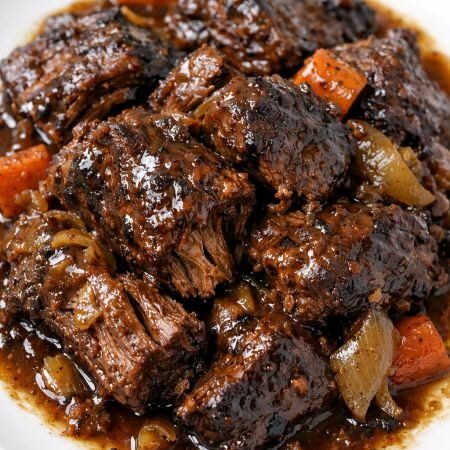
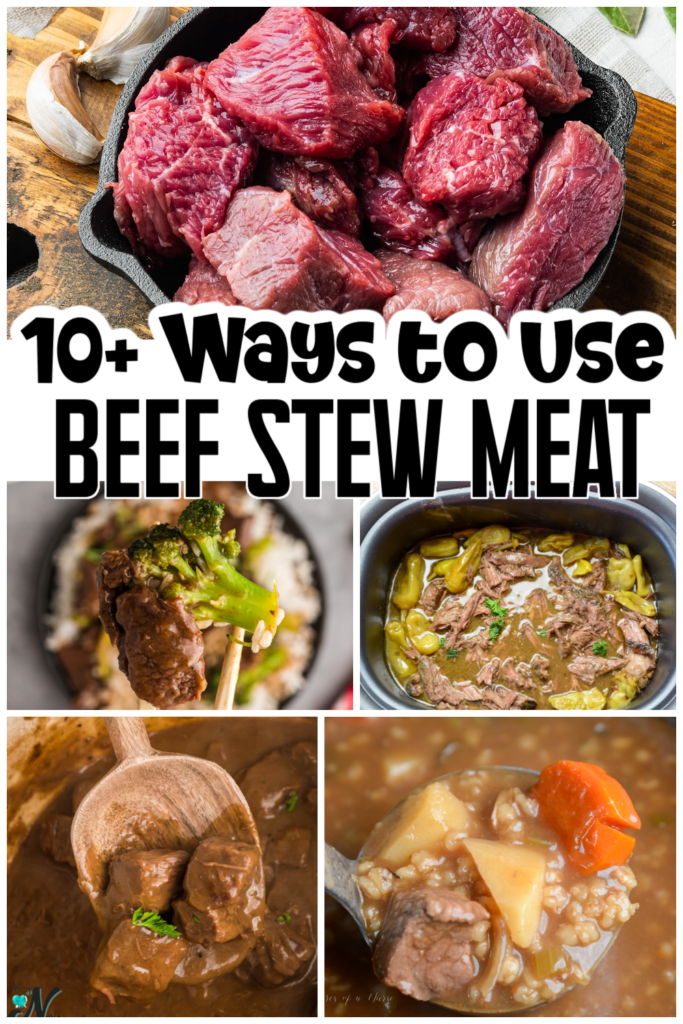
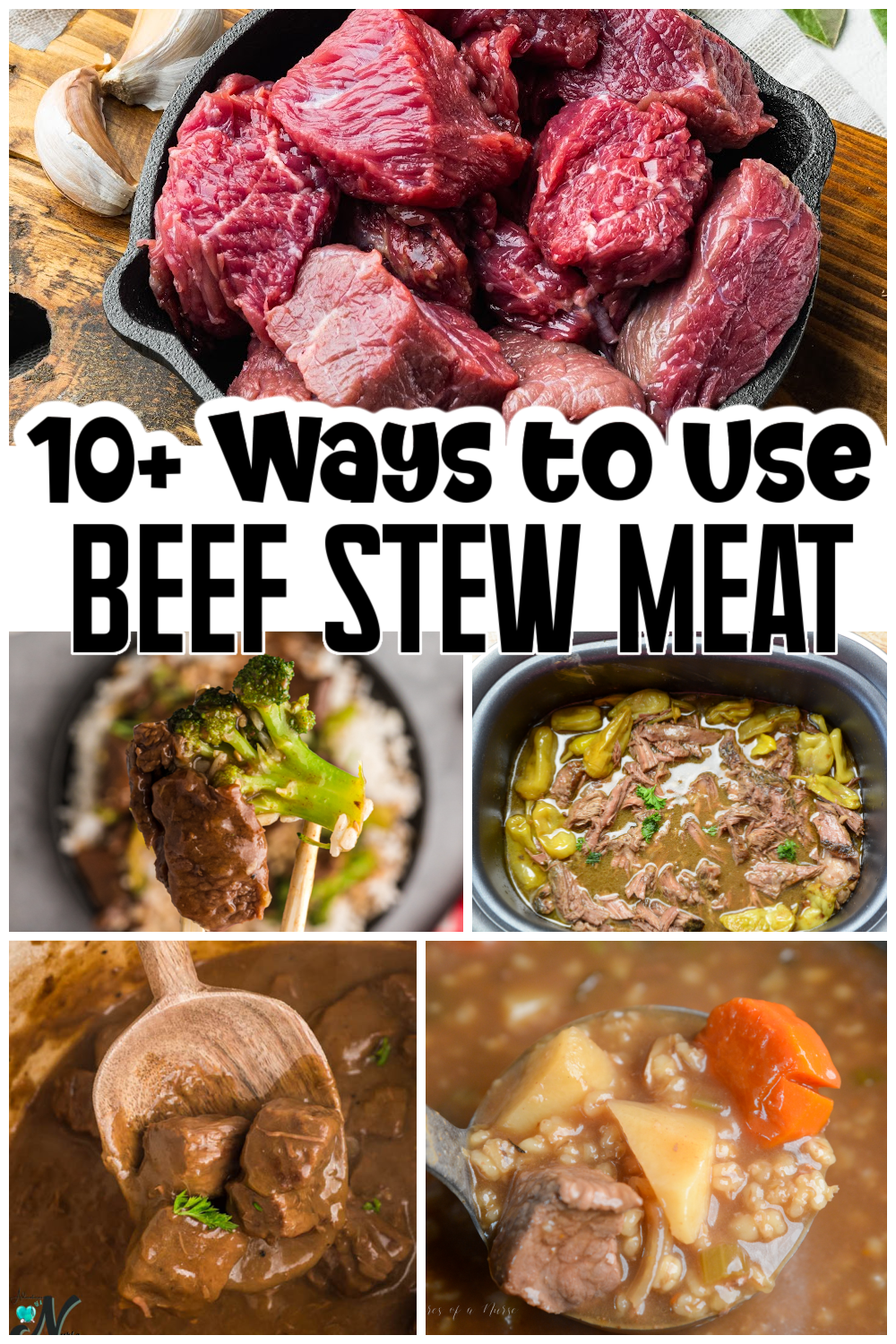
I learned to cook stew meat the same way I learned to invest: buy the cheap, unloved cut, give it time, and let patience do the heavy lifting. Chuck cubes are the index fund of the butcher case – boring on the surface, quietly compounding into something rich if you do not panic and yank them off the heat early.
Advertisements1
There is no single way to cook stew meat, and that is the good news. You can sear it hard and braise it low, you can pressure-cook it in half an hour, or you can slow-simmer it until it collapses under a spoon. Each path has a trade-off: speed costs you some depth, patience costs you an afternoon.
This recipe is the middle road – a 35-minute braise that still gives you browning, body, and a gravy you will want to mop up with bread. Follow the temperatures exactly and you will never chew through another rubbery cube again.
Why You'll Love This Recipe
About the Ingredients
2 1/2 lbs (1.13 kg) beef stew meat (chuck or round), cut into 1 1/2-inch cubes
Ask the butcher for chuck if you can – it has more intramuscular fat and braises more tenderly than round. If you only have round, add 10 minutes to the simmer time.
2 tsp kosher salt
Kosher salt seasons evenly and clings to the wet meat better than fine table salt. If using table salt, cut the amount to 1 1/4 tsp.
1 tsp freshly ground black pepper
Fresh-cracked pepper tastes brighter than pre-ground. A coffee grinder reserved for spices works if you do not own a pepper mill.
3 tbsp all-purpose flour
Flour both dries the cubes for browning and thickens the gravy. For gluten-free, swap in equal parts cornstarch and use only 2 tbsp.
3 tbsp olive oil, divided
Any neutral high-smoke-point oil works; avocado oil is a fine substitute. Do not use butter alone here – it burns before the meat browns.
1 large yellow onion, diced (about 1 1/2 cups)
Yellow onion gives the deepest sweetness once browned. Sweet Vidalia onions work but will caramelize faster, so lower the heat slightly.
3 cloves garlic, minced
Fresh garlic beats jarred every time; if you must use jarred, use 1 tsp and add it at the very end so it does not scorch.
2 tbsp tomato paste
Tomato paste adds body and a savory backbone. Sun-dried tomato paste is a solid substitute if you want a slightly sweeter finish.
3 cups (720 ml) low-sodium beef broth
Low-sodium lets you control the final seasoning. Chicken broth works in a pinch but gives a lighter, less beefy gravy.
1 tbsp Worcestershire sauce
This is the umami cheat code. Soy sauce or coconut aminos substitute well if you are out.
1 lb (450 g) baby potatoes, halved
Baby gold potatoes hold their shape; russets will break down and thicken the gravy instead. Yukon Golds are the sweet spot.
2 large carrots, cut into 1-inch coins
Carrots sweeten the braise as they cook. Parsnips or turnips swap in if you want a lower-sugar option.
Tips & Tricks
Dry Before You Sear
Pat the cubes bone-dry with paper towels – wet meat steams instead of browning, and steam is the enemy of flavor.
Brown in Batches
Crowding the pan drops the temperature and boils the meat. Two batches at 4 minutes each beats one sad batch at 10.
Simmer, Never Boil
A hard boil tightens muscle fibers and makes chuck tough. Keep it at a lazy bubble and the collagen turns to silk.
Salt at the End
The broth reduces and concentrates, so taste the gravy after simmering before you add more salt.
Pro Tips
Step-by-Step Instructions
1. Season and Dust the Beef
Pat the cubes dry, then toss with kosher salt, black pepper, and flour in a bowl until every piece is lightly coated. Let them sit 10 minutes at room temperature – this is the seasoning equivalent of dollar-cost averaging, spreading flavor evenly instead of dumping it in one spot.
2. Sear in Batches
Heat 2 tbsp olive oil in a large Dutch oven over medium-high heat until it shimmers, about 2 minutes. Add half the beef and sear undisturbed for 3 minutes per side at 400F (204C) surface heat, until deeply golden brown and the cubes release easily. Move to a plate and repeat with the remaining 1 tbsp oil and beef.
3. Soften the Aromatics
Lower the heat to medium and add the onion to the same pan, cooking 4 to 5 minutes until translucent and the edges turn golden. Add the garlic and tomato paste and stir constantly for 60 seconds, until the paste darkens to a brick red and smells sweet rather than raw.
4. Deglaze and Build the Gravy
Pour in 1/2 cup of the beef broth and scrape the browned bits off the bottom with a wooden spoon – that fond is where the flavor lives. Stir in the Worcestershire sauce and the remaining broth, then return the beef and any resting juices to the pot.
5. Braise Low and Slow
Bring the liquid to a bare simmer – small bubbles at the edges, no rolling boil – which is 200 to 205F (93 to 96C) on an instant-read thermometer. Cover and simmer 20 minutes, stirring once halfway.
6. Add the Vegetables
Nestle the potatoes and carrots into the liquid, cover, and simmer another 15 minutes, until a knife slides into a potato with no resistance and the beef reaches 200F (93C) internally. Taste the gravy and adjust salt.
7. Thicken and Rest
If the gravy is thinner than you like, uncover and simmer 3 to 4 minutes at 205F (96C) until it coats the back of a spoon. Pull the pot off the heat and rest 5 minutes before serving so the sauce clings to the meat.
Delicious Variations
Slow Cooker Version
Sear the beef and aromatics on the stove, then transfer everything to a slow cooker and cook on low for 6 hours – the trade-off is time for convenience.
Pressure Cooker Version
Brown the meat using the saute function, add all ingredients, and pressure cook 25 minutes with a 10-minute natural release for a weeknight-fast braise.
Smoky Chipotle Stew
Swap the Worcestershire for 2 minced chipotles in adobo and 1 tsp smoked paprika for a spicy, barbecue-adjacent pot.
How to Store Ways To Cook Stew Meat
Refrigerator
Cool within 2 hours and store in an airtight container up to 4 days; the flavor actually improves on day two as the gravy settles into the meat.
Freezer
Freeze in 2-cup portions for up to 3 months, leaving 1 inch of headspace; potatoes soften slightly on thaw, so consider omitting them if freezing long-term.
Reheating
Reheat gently on the stovetop over medium-low at 165F (74C) for 8 to 10 minutes, adding a splash of broth to loosen the gravy.
Frequently Asked Questions
Q: How do I make stew meat tender?
Braise it low and slow until it reaches 200 to 205F (93 to 96C) internally, which melts collagen into gelatin. A hard sear first and a bare simmer – never a boil – are what separate tender stew from chewy stew.
Q: Can I cook stew meat in 30 minutes?
Yes, in a pressure cooker at high pressure for 25 minutes with a 10-minute natural release. On the stovetop, 30 minutes is only enough time if the cubes are cut to 1 inch or smaller.
Q: Should I brown stew meat before adding liquid?
Yes, always brown it first for the Maillard crust and the fond that flavors the gravy. Skipping this step is the single biggest reason home stew tastes flat compared to restaurant versions.
Q: What is the best cut of beef for stew meat?
Chuck is the best choice because its marbling and connective tissue break down into a rich, tender braise. Round and sirloin work but stay firmer, so add 10 minutes of simmer time.
Q: Why is my stew meat tough?
It is almost always undercooked or boiled too hard – tough meat needs more time at a gentle simmer, not less. Keep it at 200 to 205F (93 to 96C) and check again every 10 minutes.
Pick up a pack of chuck this week and cook it the slow, patient way – your future self, fork in hand, will thank you. Start with the sear, trust the simmer, and taste before you salt. Keep it simple, keep it growing.
Ways To Cook Stew Meat
Ways To Cook Stew Meat turns tough chuck into fork-tender, rich, gravy-smothered comfort food with one skillet and pantry staples.
🧂 Ingredients
- 2 1/2 lbs (1.13 kg) beef stew meat (chuck or round), cut into 1 1/2-inch cubes
- 2 tsp kosher salt
- 1 tsp freshly ground black pepper
- 3 tbsp all-purpose flour
- 3 tbsp olive oil, divided
- 1 large yellow onion, diced (about 1 1/2 cups)
- 3 cloves garlic, minced
- 2 tbsp tomato paste
- 3 cups (720 ml) low-sodium beef broth
- 1 tbsp Worcestershire sauce
- 1 lb (450 g) baby potatoes, halved
- 2 large carrots, cut into 1-inch coins
📋 Instructions
- 1Season and Dust the Beef — Pat the cubes dry, then toss with kosher salt, black pepper, and flour in a bowl until every piece is lightly coated. Let them sit 10 minutes at room temperature – this is the seasoning equivalent of dollar-cost averaging, spreading flavor evenly instead of dumping it in one spot.
- 2Sear in Batches — Heat 2 tbsp olive oil in a large Dutch oven over medium-high heat until it shimmers, about 2 minutes. Add half the beef and sear undisturbed for 3 minutes per side at 400F (204C) surface heat, until deeply golden brown and the cubes release easily. Move to a plate and repeat with the remaining 1 tbsp oil and beef.
- 3Soften the Aromatics — Lower the heat to medium and add the onion to the same pan, cooking 4 to 5 minutes until translucent and the edges turn golden. Add the garlic and tomato paste and stir constantly for 60 seconds, until the paste darkens to a brick red and smells sweet rather than raw.
- 4Deglaze and Build the Gravy — Pour in 1/2 cup of the beef broth and scrape the browned bits off the bottom with a wooden spoon – that fond is where the flavor lives. Stir in the Worcestershire sauce and the remaining broth, then return the beef and any resting juices to the pot.
- 5Braise Low and Slow — Bring the liquid to a bare simmer – small bubbles at the edges, no rolling boil – which is 200 to 205F (93 to 96C) on an instant-read thermometer. Cover and simmer 20 minutes, stirring once halfway.
- 6Add the Vegetables — Nestle the potatoes and carrots into the liquid, cover, and simmer another 15 minutes, until a knife slides into a potato with no resistance and the beef reaches 200F (93C) internally. Taste the gravy and adjust salt.
- 7Thicken and Rest — If the gravy is thinner than you like, uncover and simmer 3 to 4 minutes at 205F (96C) until it coats the back of a spoon. Pull the pot off the heat and rest 5 minutes before serving so the sauce clings to the meat.

Kwame covers personal finance and investing for beginners, breaking down complex topics into clear, relatable examples. He focuses on building wealth through simple habits and avoiding common money mistakes.