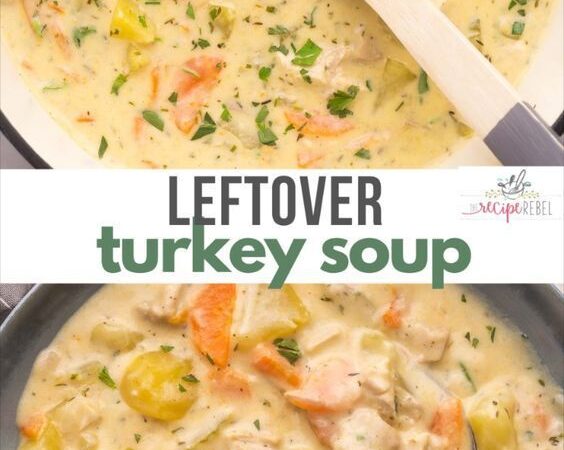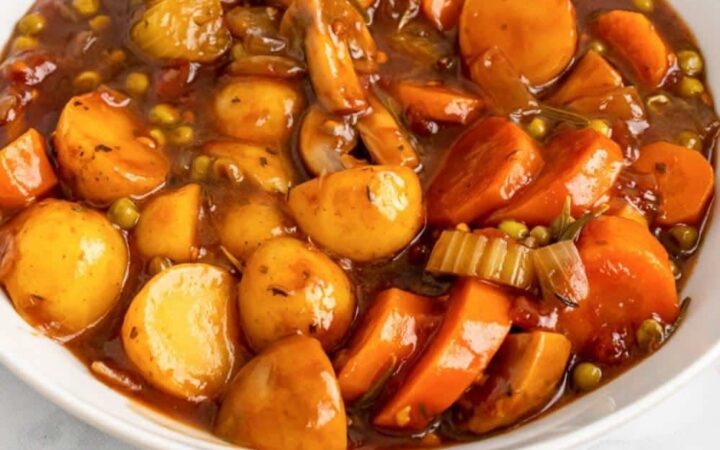
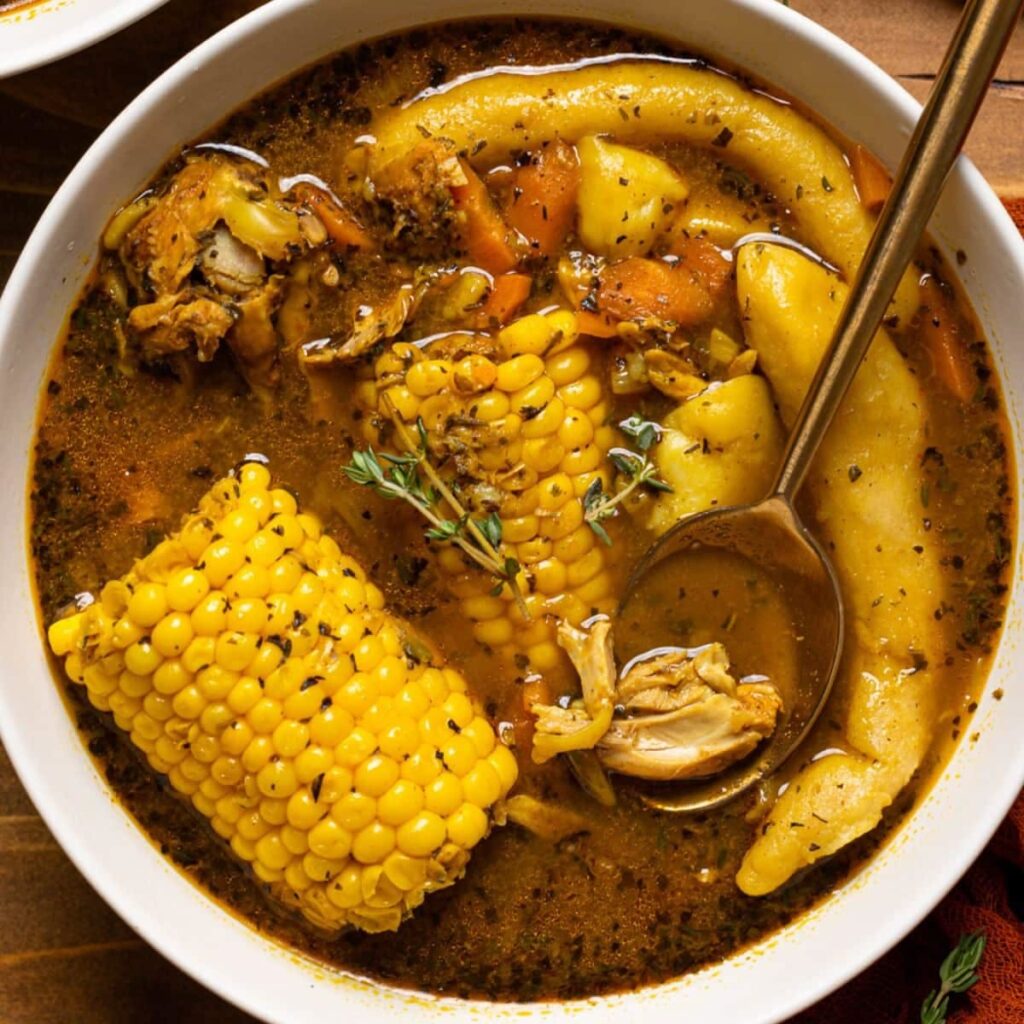
Here is the fact nobody tells you: the Caribbean does not have one soup. It has dozens, and most of them were built to feed a crowd with whatever was in the yard that morning. So when someone searches for West Indian soup recipes, they usually mean the Sunday pot – chicken, ground provisions, coconut milk, and a scotch bonnet bobbing on top like a warning buoy.
Advertisements1
I tested this version five times before writing it down. The trick is not more spice. It is layering: browning the chicken first, blooming the aromatics in the rendered fat, then adding coconut milk at the end so it does not split. Do that and you get a broth that tastes like it simmered for hours. Skip it and you get cloudy, flat liquid.
This pot feeds six adults without stretching anything. It uses one Dutch oven, about 15 minutes of prep, and 35 minutes of actual cooking. If you have a pressure cooker, you can cut that, but the stovetop version is what I am giving you because it is harder to ruin.
Why You'll Love This Recipe
About the Ingredients
2 lbs (900g) bone-in chicken thighs, skin on
Bone-in thighs give you gelatin and fat that make the broth taste slow-cooked; boneless breasts work but the broth will be thinner. Buy thighs with the skin intact and pat them dry so they brown instead of steam.
1 tbsp (15ml) neutral oil, plus more if needed
Canola, grapeseed, or refined coconut oil all work; avoid extra-virgin olive oil here because it smokes before the chicken browns. If your chicken skin is very fatty, you can use half the oil.
1 large yellow onion, diced (about 1.5 cups / 200g)
Yellow onion gives the sweet backbone; red onion is sharper and will dominate the coconut. If you only have red, use half and add it later with the garlic.
4 garlic cloves, minced (about 1 tbsp / 12g)
Fresh garlic only – the jarred stuff tastes metallic in a broth this simple. If you are out, 1 tsp garlic powder added with the spices is an acceptable fallback.
1 tbsp (8g) grated fresh ginger
Grate it on a microplane so it dissolves into the broth instead of leaving fibrous strands. Ground ginger is a last resort; use 1 tsp and add it with the dry spices.
1 tbsp (9g) curry powder, Jamaican-style if you can find it
Jamaican curry is heavier on turmeric and allspice than Madras; Madras works but tastes brighter. Check the label – if turmeric is first, it will stain everything yellow, which is normal.
1 tsp (2g) dried thyme
Caribbean recipes call for fresh thyme sprigs tied in a bundle, but dried holds up fine in a 35-minute simmer. If using fresh, throw in 4 whole sprigs and fish them out before serving.
1 scotch bonnet pepper, left whole with a small slit cut in it
Do not chop it. A slit releases flavor without turning the pot into a five-alarm situation. Habanero is the closest substitute; a jalapeno gives almost no heat, so use two.
1 can (13.5 oz / 400ml) full-fat coconut milk
Full-fat only. Light coconut milk makes a thin, watery broth that no amount of simmering fixes. Shake the can hard before opening, or the cream will sit in a solid layer on top.
6 cups (1.4L) low-sodium chicken broth
Low-sodium matters because you are reducing this liquid and salt concentrates fast. If using regular broth, skip the added salt until the end and taste first.
1 lb (450g) mixed ground provisions: yam, cassava, or taro, peeled and cut into 1-inch chunks
Frozen cassava and yam are sold in most Caribbean and Latin markets and save 15 minutes of peeling. White potato is the emergency substitute – it works but turns mushy if you simmer past 25 minutes.
1 cup (125g) all-purpose flour, plus 6 tbsp (90ml) water for dumplings
This makes firm, chewy Caribbean dumplings, not soft American ones. For gluten-free, use 1 cup fine cornmeal mixed with 6 tbsp water and drop them in as small balls.
Tips & Tricks
Do Not Chop the Scotch Bonnet
Leaving it whole with one slit gives you heat you can control. If the broth gets too spicy, pull the pepper out immediately – the heat stops climbing the second it leaves the pot.
Add Coconut Milk at the End
Boiling coconut milk for 30 minutes makes it grainy and greasy. Stir it in during the last 8 minutes and keep the pot at a bare simmer.
Salt Last, Always
You are reducing 6 cups of broth down, so salt added early becomes overpowering. Taste after the dumplings go in, then adjust.
- Brown the Chicken Properly or Skip It Entirely: Half-browned, pale chicken is the most common failure here. Get the skin genuinely deep golden before adding liquid, or the broth tastes boiled.
Pro Tips
Step-by-Step Instructions
1. Dry and Season the Chicken
Pat the 2 lbs of chicken thighs completely dry with paper towels and season both sides with 1 tsp salt and 1/2 tsp black pepper. Let them sit at room temperature for 10 minutes while you chop the onion, garlic, and ginger – cold chicken straight from the fridge drops your pan temperature and slows browning.
2. Brown the Chicken Hard
Heat 1 tbsp oil in a Dutch oven over medium-high heat until it shimmers, roughly 350F (177C). Lay the thighs skin-side down and cook 6 to 7 minutes without moving them, until the skin is deep golden brown and releases easily from the pan. Flip and cook 3 minutes more, then move to a plate – the chicken will not be cooked through yet, and that is correct.
3. Soften the Aromatics
Pour off all but 2 tbsp of the rendered fat, then add the diced onion and cook over medium heat for 4 minutes until translucent and slightly golden at the edges. Add the garlic and ginger and stir constantly for 45 seconds – if it starts to brown, pull the pan off the heat immediately.
4. Bloom the Spices
Sprinkle the curry powder and dried thyme over the onions and stir for 45 seconds until the mixture smells nutty and the spices darken one shade. This step is 45 seconds, not two minutes – burnt curry powder turns the entire pot bitter and there is no fixing it.
5. Simmer the Broth
Pour in the 6 cups of chicken broth, scraping the browned bits off the bottom with a wooden spoon. Return the chicken and any juices to the pot, add the whole slit scotch bonnet, and bring to a boil. Reduce to a low simmer – small bubbles breaking the surface, about 195F (90C) – cover, and cook 15 minutes.
6. Add the Ground Provisions
Stir in the yam, cassava, or taro chunks and simmer uncovered for 12 minutes. The pieces are done when a knife slides in with slight resistance – not falling apart. Check at 10 minutes; overcooked cassava dissolves and thickens the broth into paste.
7. Mix and Drop the Dumplings
While the pot simmers, mix 1 cup flour with 1/2 tsp salt and 6 tbsp water until you have a stiff, slightly tacky dough. Pinch off 12 pieces, roll each into a rough ball, and drop them onto the surface of the soup. Cover and cook 8 minutes without stirring – they should look puffed and matte, not glossy.
8. Finish With Coconut Milk
Pull out the scotch bonnet and discard it. Shake the can of coconut milk hard, pour it in, and stir gently. Simmer uncovered for 5 minutes at a bare simmer – bubbling edges only, never a rolling boil – then taste and add salt. The broth should coat a spoon lightly and taste rounded, not sharp.
9. Rest and Serve
Take the pot off the heat and let it sit 5 minutes so the fat redistributes. Ladle into bowls, making sure each one gets chicken, provisions, and two dumplings. Serve with rice or on its own – this pot is a full meal.
Delicious Variations
Callaloo Version
Swap the ground provisions for 1 lb chopped callaloo or spinach and blend half the pot smooth with an immersion blender for a thick, green, Trinidadian-style soup.
Seafood Swap
Replace the chicken with 1 lb firm white fish and 1/2 lb shrimp, adding them in the last 6 minutes instead of the chicken at the start, and use water instead of broth.
Red Bean and Pumpkin
Add 1 cup cooked red kidney beans and 2 cups cubed calabaza or butternut squash with the provisions for a sweeter, thicker, vegetarian pot using vegetable broth.
How to Store West Indian Soup Recipes
Refrigerator
Cool within 2 hours, then store in an airtight container for up to 4 days. The fat will solidify on top – skim it off before reheating if you want a cleaner broth.
Freezer
Freeze in portions for up to 3 months, but leave out the dumplings; they turn spongy. Thaw overnight in the refrigerator before reheating.
Reheating
Warm gently on the stovetop over medium-low heat for 8 to 10 minutes, stirring occasionally. Do not boil hard or the coconut milk will split and turn grainy.
Frequently Asked Questions
Q: What is the most popular West Indian soup?
Chicken foot soup and callaloo are the two most commonly named West Indian soups, with chicken foot soup dominant in Jamaica and callaloo in Trinidad. This recipe follows the Jamaican Sunday-pot style with coconut milk, ground provisions, and dumplings, which is the version most people mean when they search for West Indian soup.
Q: Can I make West Indian soup without coconut milk?
Yes, and it will still taste good, but the broth will be noticeably thinner and less rich. Replace it with 1 cup of whole milk whisked with 1 tbsp cornstarch, or simply add an extra cup of broth and finish with a tablespoon of butter for body.
Q: How do I stop the coconut milk from curdling in soup?
Add it at the very end and never let the pot reach a rolling boil after it goes in. Coconut milk splits when it is heated hard or when an acidic ingredient like tomato or lime is added at the same time, so keep the heat at a bare simmer and stir it in last.
Q: Is scotch bonnet pepper necessary in West Indian soup?
It is not necessary, but it is what gives the soup its characteristic warmth and aroma. Leaving it whole with a single slit adds flavor without much heat, so try that first; if you want zero spice, omit it entirely and add a pinch of smoked paprika instead.
Q: How long does West Indian soup last in the fridge?
Four days in an airtight container, and it genuinely tastes better on day two once the coconut milk and thyme meld. Reheat gently on the stovetop over medium-low heat rather than in the microwave, which heats unevenly and can split the coconut milk.
Make this pot once and you will stop treating Caribbean cooking as a restaurant-only thing. Pick up the scotch bonnet, grab a can of full-fat coconut milk, and give it 50 minutes on a Sunday. Then tell me whether you kept the pepper in or pulled it out early. Stay curious, stay private.
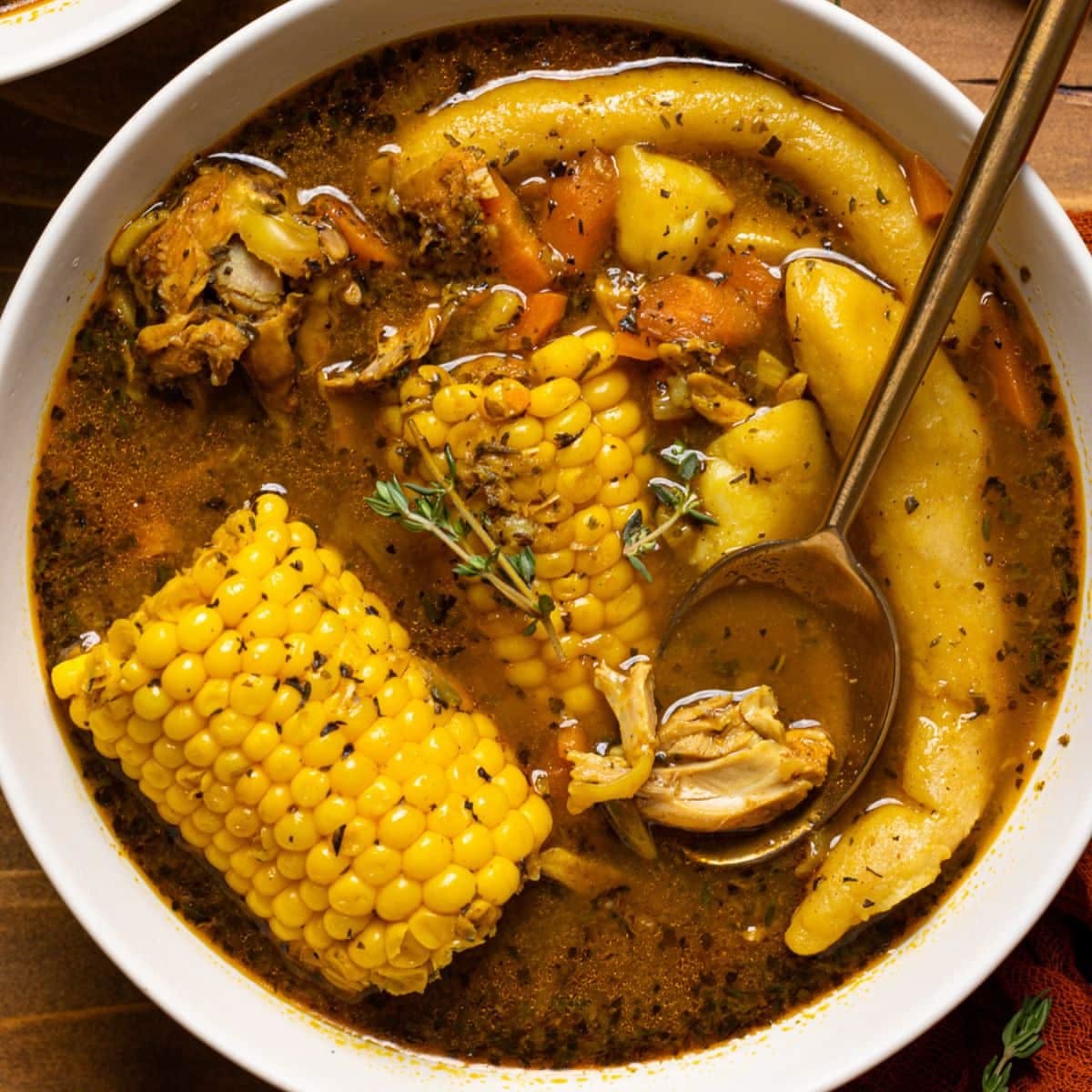
West Indian Soup Recipes
West Indian Soup Recipes deliver a hearty one-pot coconut chicken soup with dumplings, yams, and warming spices ready in 50 minutes flat.
🧂 Ingredients
- 2 lbs (900g) bone-in chicken thighs, skin on
- 1 tbsp (15ml) neutral oil, plus more if needed
- 1 large yellow onion, diced (about 1.5 cups / 200g)
- 4 garlic cloves, minced (about 1 tbsp / 12g)
- 1 tbsp (8g) grated fresh ginger
- 1 tbsp (9g) curry powder, Jamaican-style if you can find it
- 1 tsp (2g) dried thyme
- 1 scotch bonnet pepper, left whole with a small slit cut in it
- 1 can (13.5 oz / 400ml) full-fat coconut milk
- 6 cups (1.4L) low-sodium chicken broth
- 1 lb (450g) mixed ground provisions: yam, cassava, or taro, peeled and cut into 1-inch chunks
- 1 cup (125g) all-purpose flour, plus 6 tbsp (90ml) water for dumplings
📋 Instructions
- 1Dry and Season the Chicken — Pat the 2 lbs of chicken thighs completely dry with paper towels and season both sides with 1 tsp salt and 1/2 tsp black pepper. Let them sit at room temperature for 10 minutes while you chop the onion, garlic, and ginger – cold chicken straight from the fridge drops your pan temperature and slows browning.
- 2Brown the Chicken Hard — Heat 1 tbsp oil in a Dutch oven over medium-high heat until it shimmers, roughly 350F (177C). Lay the thighs skin-side down and cook 6 to 7 minutes without moving them, until the skin is deep golden brown and releases easily from the pan. Flip and cook 3 minutes more, then move to a plate – the chicken will not be cooked through yet, and that is correct.
- 3Soften the Aromatics — Pour off all but 2 tbsp of the rendered fat, then add the diced onion and cook over medium heat for 4 minutes until translucent and slightly golden at the edges. Add the garlic and ginger and stir constantly for 45 seconds – if it starts to brown, pull the pan off the heat immediately.
- 4Bloom the Spices — Sprinkle the curry powder and dried thyme over the onions and stir for 45 seconds until the mixture smells nutty and the spices darken one shade. This step is 45 seconds, not two minutes – burnt curry powder turns the entire pot bitter and there is no fixing it.
- 5Simmer the Broth — Pour in the 6 cups of chicken broth, scraping the browned bits off the bottom with a wooden spoon. Return the chicken and any juices to the pot, add the whole slit scotch bonnet, and bring to a boil. Reduce to a low simmer – small bubbles breaking the surface, about 195F (90C) – cover, and cook 15 minutes.
- 6Add the Ground Provisions — Stir in the yam, cassava, or taro chunks and simmer uncovered for 12 minutes. The pieces are done when a knife slides in with slight resistance – not falling apart. Check at 10 minutes; overcooked cassava dissolves and thickens the broth into paste.
- 7Mix and Drop the Dumplings — While the pot simmers, mix 1 cup flour with 1/2 tsp salt and 6 tbsp water until you have a stiff, slightly tacky dough. Pinch off 12 pieces, roll each into a rough ball, and drop them onto the surface of the soup. Cover and cook 8 minutes without stirring – they should look puffed and matte, not glossy.
- 8Finish With Coconut Milk — Pull out the scotch bonnet and discard it. Shake the can of coconut milk hard, pour it in, and stir gently. Simmer uncovered for 5 minutes at a bare simmer – bubbling edges only, never a rolling boil – then taste and add salt. The broth should coat a spoon lightly and taste rounded, not sharp.
- 9Rest and Serve — Take the pot off the heat and let it sit 5 minutes so the fat redistributes. Ladle into bowls, making sure each one gets chicken, provisions, and two dumplings. Serve with rice or on its own – this pot is a full meal.

Tom writes about technology and digital privacy, helping readers protect their data and understand how algorithms shape their online experience. He focuses on practical tools and settings that anyone can adjust.