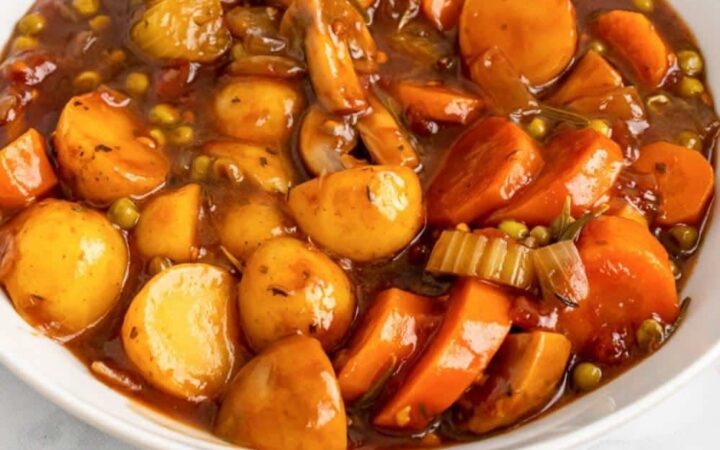

Most sick-day soups are broth with a carrot floating in it. This is not that. This is a chicken, garlic, ginger, and rice soup built to actually feed you when you cannot taste anything and have zero energy.
Advertisements1
Here is the math people ignore: a bowl of plain chicken broth gives you roughly 40 calories and 3g protein. That will not hold you through a fever. My version lands at about 285 calories and 12g protein per bowl, with enough sodium and fluid to matter when you are dehydrated.
You need one pot, 15 minutes of actual work, and pantry staples. No blender, no roux, no fuss. If you can chop an onion slowly, you can make this.
Why You'll Love This Recipe
About the Ingredients
2 tablespoons olive oil
Any neutral oil works, but olive oil adds body. If you only have butter, use it and skip the oil entirely.
1 large yellow onion, diced (about 1 1/2 cups)
Yellow onion gives the deepest sweetness. Shallots or a leek (white part only) are fine substitutes if that is what is in the drawer.
3 medium carrots, peeled and sliced 1/4 inch thick (about 1 1/2 cups)
Buy carrots with firm, snap-able stems; floppy ones taste woody. Parsnips swap in one-for-one.
3 celery stalks, sliced 1/4 inch thick (about 1 cup)
Use the inner stalks, they are sweeter and less stringy. Fennel bulb is the closest flavor substitute.
6 garlic cloves, minced (about 2 tablespoons)
Yes, six. Jarred minced garlic is acceptable here; use 2 teaspoons and add it with the ginger.
1 tablespoon fresh ginger, grated
Fresh only. Ground ginger turns gritty and tastes like dust. Freeze the knob and grate it frozen, no peeling needed.
8 cups low-sodium chicken broth
Low-sodium matters because you will salt to taste at the end. Vegetable broth works for a vegetarian version, but add 1 extra tablespoon soy sauce for depth.
1 1/2 pounds boneless skinless chicken thighs
Thighs stay juicy after 25 minutes of simmering; breasts go chalky. If using breasts, add them at the 15-minute mark instead.
3/4 cup long-grain white rice, rinsed
Rinsing removes surface starch so the broth stays clear, not gluey. Arborio will make it creamy but thick; jasmine cooks faster.
1 teaspoon dried thyme
Dried is better than fresh here because it survives a long simmer. Poultry seasoning is a solid one-to-one swap.
1 tablespoon fresh lemon juice, plus wedges for serving
Add it off the heat. Boiled lemon juice goes bitter and flat. Bottled juice is a last resort.
Kosher salt and black pepper to taste (start with 1 1/2 teaspoons salt)
Kosher salt, not table salt, so you can pinch and taste without overshooting.
Tips & Tricks
Do not boil the chicken
a hard boil makes the meat stringy and cloudy. Keep it at a bare simmer, small bubbles breaking the surface, around 195F (90C).
Salt at the end, not the start
broth reduces by roughly 15 percent during the simmer, so early salting concentrates.
- Cook the rice separately if you plan on leftovers: rice left in broth overnight drinks all the liquid and you wake up to porridge.
- Taste before serving even if you cannot smell: your tongue still registers salt and acid, and that is what makes sick food edible.
Pro Tips
Step-by-Step Instructions
1. Sweat the aromatics
Heat 2 tablespoons olive oil in a large Dutch oven over medium heat, 350F (175C) if you have a thermometer, for 2 minutes. Add onion, carrots, and celery and cook 7 to 8 minutes until the onion is translucent and the edges just start to turn golden. Do not brown them; you want sweet, not roasted.
2. Bloom garlic and ginger
Add the garlic, ginger, and thyme and stir constantly for 45 seconds. The moment you smell them, they are done. Garlic goes bitter in 90 seconds, so this is the step people ruin.
3. Add broth and chicken
Pour in 8 cups broth and add the chicken thighs in a single layer. Bring to a bare simmer, about 195F (90C), then reduce heat to low and cover. Simmer 20 minutes; the chicken should read 165F (74C) on an instant-read thermometer at the thickest part.
4. Shred the chicken
Pull the thighs out with tongs into a bowl and shred with two forks. Return the meat to the pot. If you used breasts, they will shred faster and rougher, which is fine.
5. Cook the rice
Stir in the rinsed rice and simmer uncovered 12 to 14 minutes, until the grains are tender but still have a bite and the broth has thickened slightly. Bubbling edges around the pot, not a rolling boil.
6. Finish off heat
Turn off the burner. Stir in 1 tablespoon lemon juice, then taste and add salt and pepper. Start with 1 1/2 teaspoons salt, taste, and go from there. Serve with lemon wedges.
Delicious Variations
Noodle swap
replace rice with 4 ounces of egg noodles added in the last 6 minutes, and skip the rinsing step.
Ginger-turmeric version
add 1 teaspoon ground turmeric with the garlic for an earthier, more anti-inflammatory profile; it stains plastic, so use a metal spoon.
Vegetarian
use vegetable broth, drop the chicken, and add one 15-ounce can of drained chickpeas in the last 5 minutes for protein.
How to Store Best Homemade Soup When Sick
Refrigerator
Cool within 1 hour, then refrigerate in a sealed container up to 4 days. The rice will absorb broth, so add a splash of water or stock when reheating.
Freezer
Freeze the soup without rice for up to 3 months in 2-cup portions. Rice turns mushy and grainy after freezing, so cook fresh rice when you thaw.
Reheating
Reheat on the stovetop over medium-low, 4 to 6 minutes, until it reaches 165F (74C). Microwave in 60-second bursts, stirring between, so the chicken heats evenly.
Frequently Asked Questions
Q: What soup is best to eat when you are sick?
A broth-based soup with protein, salt, and aromatics is the best choice, which is why chicken, garlic, and ginger soup works so well. The fluid rehydrates you, the sodium replaces what you lose through sweat, and the protein actually feeds your body. Creamy soups sit heavier and offer less of all three.
Q: Does chicken soup actually help a cold or is it a myth?
It is not a cure, but it is not a myth either. Studies on chicken soup show it can reduce neutrophil migration, which is linked to milder upper-respiratory inflammation, and the hot steam temporarily loosens congestion. You still need rest and fluids, but a bowl of this does more than a placebo.
Q: Can I make this soup ahead of time when I am not sick?
Yes, and you should. Make a double batch, freeze it in 2-cup portions without the rice, and you have sick food ready in 8 minutes. Frozen soup keeps 3 months and reheats to 165F (74C) on the stove without losing texture.
Q: Why did my chicken soup turn out bland?
Almost always because it was under-salted and never hit with acid. Broth needs roughly 1 1/2 teaspoons of kosher salt per 8 cups before it tastes like anything, and a tablespoon of lemon juice at the end sharpens every other flavor. Taste and adjust before you serve, not after.
Q: Should I cook the rice in the soup or separately?
Cook it separately if you want leftovers, and in the pot if you are eating it all today. Rice left sitting in broth absorbs liquid for hours and turns the soup into porridge by morning. Separate rice also lets each person control how much they want.
Make the batch tonight, portion it into 2-cup containers, and stop ordering delivery soup at 11pm when someone in the house starts sneezing. It costs about $2.10 per bowl versus $9 for the takeout version, and it tastes better. Keep your receipts.

Best Homemade Soup When Sick
Best Homemade Soup When Sick is a garlicky, ginger-spiked chicken and rice soup that soothes sore throats and delivers real protein in 50 minutes.
🧂 Ingredients
- 2 tablespoons olive oil
- 1 large yellow onion, diced (about 1 1/2 cups)
- 3 medium carrots, peeled and sliced 1/4 inch thick (about 1 1/2 cups)
- 3 celery stalks, sliced 1/4 inch thick (about 1 cup)
- 6 garlic cloves, minced (about 2 tablespoons)
- 1 tablespoon fresh ginger, grated
- 8 cups low-sodium chicken broth
- 1 1/2 pounds boneless skinless chicken thighs
- 3/4 cup long-grain white rice, rinsed
- 1 teaspoon dried thyme
- 1 tablespoon fresh lemon juice, plus wedges for serving
- Kosher salt and black pepper to taste (start with 1 1/2 teaspoons salt)
📋 Instructions
- 1Sweat the aromatics — Heat 2 tablespoons olive oil in a large Dutch oven over medium heat, 350F (175C) if you have a thermometer, for 2 minutes. Add onion, carrots, and celery and cook 7 to 8 minutes until the onion is translucent and the edges just start to turn golden. Do not brown them; you want sweet, not roasted.
- 2Bloom garlic and ginger — Add the garlic, ginger, and thyme and stir constantly for 45 seconds. The moment you smell them, they are done. Garlic goes bitter in 90 seconds, so this is the step people ruin.
- 3Add broth and chicken — Pour in 8 cups broth and add the chicken thighs in a single layer. Bring to a bare simmer, about 195F (90C), then reduce heat to low and cover. Simmer 20 minutes; the chicken should read 165F (74C) on an instant-read thermometer at the thickest part.
- 4Shred the chicken — Pull the thighs out with tongs into a bowl and shred with two forks. Return the meat to the pot. If you used breasts, they will shred faster and rougher, which is fine.
- 5Cook the rice — Stir in the rinsed rice and simmer uncovered 12 to 14 minutes, until the grains are tender but still have a bite and the broth has thickened slightly. Bubbling edges around the pot, not a rolling boil.
- 6Finish off heat — Turn off the burner. Stir in 1 tablespoon lemon juice, then taste and add salt and pepper. Start with 1 1/2 teaspoons salt, taste, and go from there. Serve with lemon wedges.

Diego covers personal finance and side hustles from the perspective of a former gig worker. He breaks down complex money topics into clear, step-by-step plans that anyone can follow. His focus is on building financial confidence through practical experiments and honest numbers.