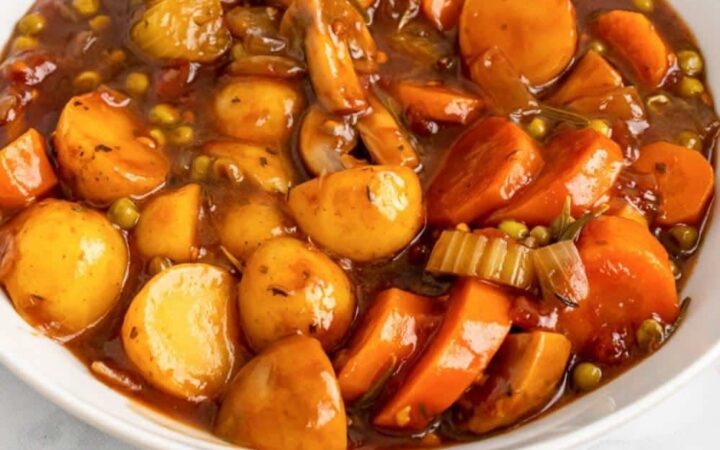
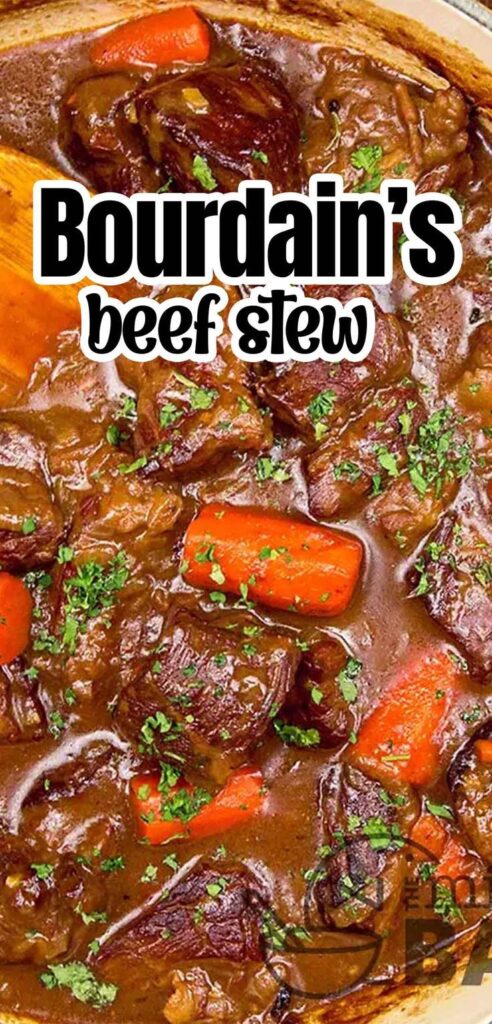
There is something quietly healing about a pot of beef stew simmering on the back burner. The kitchen warms, the windows fog, and the day's noise softens into a low, patient bubble. I started making this version on the grayest afternoons, when my shoulders were up near my ears and I needed something to slow me down.
Advertisements1
This is the stew I reach for when I want beef that gives way under a spoon and a gravy that tastes like it took all day, even though it doesn't. We brown the meat hard for flavor, soften the onions and carrots, then let everything rest in a low oven until the chuck turns velvety. No fancy cuts, no stress, just a pot doing quiet work.
If today has felt like too much, let this be the thing you tend gently. Chop the onions slowly. Breathe with the sizzle. You are allowed to take your time here.
Why You'll Love This Recipe
About the Ingredients
3 lb (1.4 kg) boneless beef chuck roast, cut into 1 1/2-inch cubes
Chuck is the ideal braising cut because its marbled fibers melt into tenderness. If chuck is unavailable, choose boneless short ribs or bottom round, but avoid lean stew meat labeled 'round steak' alone, which can turn dry.
2 tsp kosher salt, plus more to taste
Kosher salt seasons more evenly than fine table salt because the larger flakes are easier to pinch and distribute. If using fine sea salt, start with 1 1/2 tsp and adjust at the end.
1 tsp freshly ground black pepper
Fresh-cracked pepper blooms in the hot oil and tastes far brighter than pre-ground. A cheap coffee grinder dedicated to spices works beautifully if you don't own a pepper mill.
3 tbsp olive oil, divided
Olive oil handles the high sear without smoking too fast. For a deeper flavor, swap 1 tbsp for bacon fat or ghee, which also helps the vegetables caramelize.
2 medium yellow onions, diced (about 2 cups)
Yellow onions give the sweetest, most savory base. Sweet Vidalia onions work if you want a milder gravy, or use 1 large leek, white part only, for a gentler flavor.
4 medium carrots, peeled and cut into 1-inch chunks
Carrots hold their shape through a long braise and add natural sweetness. Parsnips or a mix of carrots and turnips are lovely substitutes if you want a peppery note.
3 cloves garlic, minced
Fresh garlic adds warmth that powder can't match. If you're out, use 1 tsp garlic paste or 1/2 tsp garlic powder stirred in with the flour.
3 tbsp all-purpose flour
Flour thickens the gravy as it cooks and clings to the beef for a light crust. For a gluten-free version, use 2 tbsp cornstarch whisked into the broth instead.
2 cups (480 ml) low-sodium beef broth
Low-sodium broth lets you control the final seasoning. If you only have regular broth, skip the added salt until the very end and taste first.
1 cup (240 ml) dry red wine, such as Cabernet Sauvignon
The wine adds acidity and depth that plain broth can't replicate. No wine on hand? Use 1 cup extra broth plus 1 tbsp red wine vinegar or balsamic.
2 tbsp tomato paste
Tomato paste gives the gravy body and a subtle tang. Sun-dried tomato paste is a fine swap if you want a slightly sweeter, more concentrated flavor.
2 dried bay leaves and 1 tsp dried thyme
Bay and thyme are the classic braise duo, earthy and calm. Fresh thyme is even better, use 4 sprigs tied with kitchen twine so you can fish them out easily.
Tips & Tricks
Brown in Batches
Crowding the pot steams the beef instead of searing it, so cook the cubes in two or three rounds and give each piece room to turn golden.
Deglaze Every Brown Bit
After the wine goes in, scrape the bottom with a wooden spoon until the pan looks clean, those stuck-on bits are pure flavor.
Low and Slow Wins
Keep the oven at 325°F (165°C) and resist raising the heat, gentle simmering is what makes the beef fall apart instead of toughening.
Salt at the End
The gravy reduces and concentrates, so wait until the beef is tender before adding final salt, then adjust with a pinch at a time.
Pro Tips
Step-by-Step Instructions
1. Heat and Dry the Beef
Set a rack in the lower third of the oven and preheat to 325°F (165°C). Pat the beef cubes completely dry with paper towels and season all over with the kosher salt and pepper.
2. Sear Until Deeply Brown
Heat 2 tbsp olive oil in a large Dutch oven over medium-high heat until it shimmers, about 2 minutes. Add half the beef and sear undisturbed for 4 minutes, then turn and sear 3 more minutes until deeply browned on two sides, about 7 minutes total per batch. Transfer to a plate and repeat with the remaining beef.
3. Soften the Vegetables
Reduce the heat to medium, add the last 1 tbsp oil, and cook the onions and carrots for 6 to 7 minutes, stirring occasionally, until the onions are translucent and the edges of the carrots begin to soften. Add the garlic and cook 1 minute until fragrant, not browned.
4. Build the Gravy Base
Sprinkle the flour over the vegetables and stir constantly for 1 minute so it coats everything and loses its raw taste. Stir in the tomato paste and cook 1 minute more until it darkens slightly and smells sweet.
5. Deglaze With Wine
Pour in the red wine and scrape the bottom of the pot firmly with a wooden spoon for about 2 minutes, until the liquid bubbles at the edges and the browned bits dissolve into the sauce.
6. Braise Low and Slow
Return the beef and any juices to the pot, then add the broth, bay leaves, and thyme. Bring to a bare simmer, cover, and transfer to the oven. Braise for 2 hours, until the beef shreds easily with a fork and reaches 205°F (96°C) internally.
7. Thicken and Season
Remove the bay leaves and thyme sprigs. If the gravy looks thin, simmer uncovered on the stovetop for 8 to 10 minutes until it coats the back of a spoon. Taste and add salt and pepper a pinch at a time.
8. Rest and Serve
Let the stew rest off the heat, covered, for 10 minutes so the juices settle. Serve in deep bowls over mashed potatoes, buttered egg noodles, or warm crusty bread.
Delicious Variations
Slow Cooker Version
Brown the beef and soften the vegetables on the stovetop first, then transfer everything to a slow cooker and cook on low for 7 to 8 hours for the same tender result.
Guinness Stout Stew
Swap the red wine for 1 cup of stout beer and add 1 tbsp Worcestershire sauce for a darker, maltier gravy that pairs beautifully with root vegetables.
Herb and Mushroom Stew
Add 8 oz (225 g) quartered cremini mushrooms with the onions and finish with 1 tbsp chopped fresh parsley for an earthier, meatier-tasting pot.
How to Store Best Stew Beef Recipes
Refrigerator
Cool the stew within 2 hours, then store in an airtight container for up to 4 days. The flavor actually improves by day two as the beef absorbs the gravy.
Freezer
Freeze in portion-sized containers for up to 3 months, leaving 1 inch of headspace. Thaw overnight in the refrigerator before reheating for the best texture.
Reheating
Warm gently on the stovetop over medium-low heat for 8 to 10 minutes, stirring occasionally, until steaming. If the gravy has thickened too much, loosen it with a splash of broth or water.
Frequently Asked Questions
Q: What is the best cut of beef for stew?
Chuck roast is the best cut for stew because its marbled fibers break down into tender, flavorful bites during a long braise. Boneless short ribs and bottom round also work well, while lean cuts like sirloin or tenderloin turn dry and chewy. Look for meat with visible white flecks of fat, which melt into the gravy.
Q: Why is my beef stew tough?
Beef stew turns tough when it hasn't cooked long enough or when the heat is too high. Collagen needs time at a gentle simmer to melt into gelatin, so keep the oven at 325°F (165°C) and braise until the meat reaches about 205°F (96°C), which usually takes 2 to 2 1/2 hours. If it's still firm after 2 hours, give it another 30 minutes.
Q: Can I make beef stew without wine?
Yes, you can make beef stew without wine by replacing it with 1 cup of extra beef broth plus 1 tbsp red wine vinegar or balsamic vinegar. The vinegar restores the acidity the wine would have added, so the gravy still tastes balanced and rich. You can also use 1 cup of unsweetened apple cider for a slightly sweeter note.
Q: How do I thicken beef stew?
The easiest way to thicken beef stew is to simmer it uncovered for 8 to 10 minutes so the liquid reduces naturally. If you need more body, whisk 1 tbsp cornstarch with 2 tbsp cold water and stir it in, then simmer 2 minutes until glossy. Avoid adding raw flour at the end, which leaves a pasty taste.
Q: How long does beef stew last in the fridge?
Beef stew lasts up to 4 days in the refrigerator stored in an airtight container. Cool it within 2 hours of cooking and keep it below 40°F (4°C) for food safety. In fact, the flavor often deepens overnight, so day-two stew is something to look forward to.
Make this pot on a day when you need something to look forward to, and let the slow simmer do the comforting for you. If you try it, I would love to know how it turned out, and whether you stirred in peas, swapped the wine, or served it over something unexpected. Be kind to your mind.
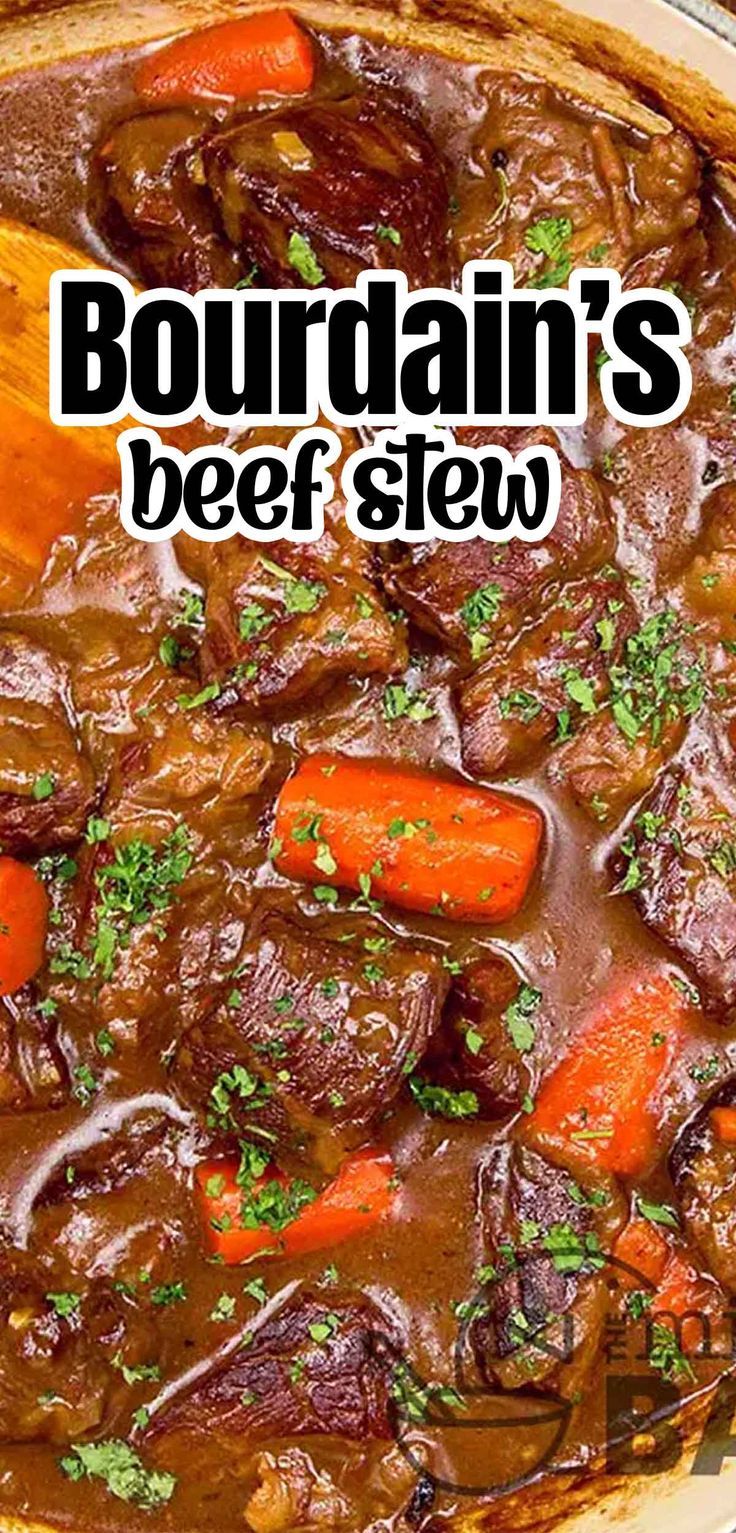
Best Stew Beef Recipes
Best Stew Beef Recipes delivers fall-apart tender beef in a rich red wine gravy, one pot, deep savory comfort you can make any weeknight.
🧂 Ingredients
- 3 lb (1.4 kg) boneless beef chuck roast, cut into 1 1/2-inch cubes
- 2 tsp kosher salt, plus more to taste
- 1 tsp freshly ground black pepper
- 3 tbsp olive oil, divided
- 2 medium yellow onions, diced (about 2 cups)
- 4 medium carrots, peeled and cut into 1-inch chunks
- 3 cloves garlic, minced
- 3 tbsp all-purpose flour
- 2 cups (480 ml) low-sodium beef broth
- 1 cup (240 ml) dry red wine, such as Cabernet Sauvignon
- 2 tbsp tomato paste
- 2 dried bay leaves and 1 tsp dried thyme
📋 Instructions
- 1Heat and Dry the Beef — Set a rack in the lower third of the oven and preheat to 325°F (165°C). Pat the beef cubes completely dry with paper towels and season all over with the kosher salt and pepper.
- 2Sear Until Deeply Brown — Heat 2 tbsp olive oil in a large Dutch oven over medium-high heat until it shimmers, about 2 minutes. Add half the beef and sear undisturbed for 4 minutes, then turn and sear 3 more minutes until deeply browned on two sides, about 7 minutes total per batch. Transfer to a plate and repeat with the remaining beef.
- 3Soften the Vegetables — Reduce the heat to medium, add the last 1 tbsp oil, and cook the onions and carrots for 6 to 7 minutes, stirring occasionally, until the onions are translucent and the edges of the carrots begin to soften. Add the garlic and cook 1 minute until fragrant, not browned.
- 4Build the Gravy Base — Sprinkle the flour over the vegetables and stir constantly for 1 minute so it coats everything and loses its raw taste. Stir in the tomato paste and cook 1 minute more until it darkens slightly and smells sweet.
- 5Deglaze With Wine — Pour in the red wine and scrape the bottom of the pot firmly with a wooden spoon for about 2 minutes, until the liquid bubbles at the edges and the browned bits dissolve into the sauce.
- 6Braise Low and Slow — Return the beef and any juices to the pot, then add the broth, bay leaves, and thyme. Bring to a bare simmer, cover, and transfer to the oven. Braise for 2 hours, until the beef shreds easily with a fork and reaches 205°F (96°C) internally.
- 7Thicken and Season — Remove the bay leaves and thyme sprigs. If the gravy looks thin, simmer uncovered on the stovetop for 8 to 10 minutes until it coats the back of a spoon. Taste and add salt and pepper a pinch at a time.
- 8Rest and Serve — Let the stew rest off the heat, covered, for 10 minutes so the juices settle. Serve in deep bowls over mashed potatoes, buttered egg noodles, or warm crusty bread.

Elena writes about mental health and self-care, emphasizing gentle, evidence-informed strategies for managing stress and anxiety. She shares personal reflections and practical exercises that readers can try at their own pace.