Short Rib Beef is the dish that taught me patience. The first time I made it, in a borrowed kitchen with a single dull knife and a bottle of wine I'd bought for someone who never arrived, I stood over the pot for three hours and learned that time is an ingredient. The meat does not hurry. Neither should you.
Advertisements1
There is a reason short ribs appear on menus from Seoul to Copenhagen to a roadside tavern in Kentucky. The cut sits close to the bone, laced with collagen that melts into gelatin, and gelatin is what gives a braise its silk. Every culture that raises cattle has found this truth independently: the tough cuts, given heat and hours, become the most generous.
You will brown the meat hard, build a dark fond, deglaze with wine, and then step away. What returns to you is beef that yields to a spoon and a sauce that tastes like it took all day, even when it took an afternoon.
Why You'll Love This Recipe
About the Ingredients
4.5 lbs (2 kg) bone-in beef short ribs, English-cut
Ask your butcher for English-cut ribs, which are rectangular and braise evenly; flanken-cut works but cooks faster. If short ribs are unavailable, use beef chuck roast cut into 3-inch blocks.
2 tbsp (30 ml) neutral oil, such as canola or grapeseed
High smoke point matters here because you are searing hard. Avocado oil works; olive oil will smoke and turn bitter at this temperature.
2 large yellow onions, roughly chopped (about 3 cups)
Yellow onions give the deepest sweetness. Sweet onions will make the sauce flabbier; shallots are a fine substitute if you want something more delicate.
4 medium carrots, cut into 2-inch lengths
Look for carrots with their tops still attached if you can; they taste noticeably sweeter. Parsnips can stand in for half the carrots for a more peppery note.
6 garlic cloves, smashed and left whole
Smashed, not minced, so they sweeten rather than burn. If your garlic is very fresh and moist, use five; older cloves are sharper.
2 tbsp (30 g) tomato paste
Tomato paste adds glutamates and body, not tomato flavor. Sun-dried tomato paste is a worthy substitute and slightly sweeter.
2 cups (480 ml) dry red wine, such as Côtes du Rhône or Zinfandel
Use something you would actually drink; cheap harsh wine stays harsh. For alcohol-free, use 2 cups beef stock plus 1 tbsp red wine vinegar.
2 cups (480 ml) beef stock, preferably unsalted
Unsalted lets you control the seasoning, since the braise reduces. Chicken stock works but gives a lighter, less beefy result.
2 tbsp (16 g) all-purpose flour
Flour thickens the sauce and helps the fond cling. For gluten-free, use 1 tbsp cornstarch mixed with cold water at the end instead.
4 sprigs fresh thyme and 2 bay leaves
Tie them in cheesecloth for easy removal. Dried thyme works at half the quantity; do not skip the bay, it rounds out the wine.
1 tbsp (15 ml) Worcestershire sauce
Adds anchovy-driven depth. Soy sauce or tamari is a good substitute if you want to keep it fish-free.
Kosher salt and black pepper, to taste
Kosher salt is easier to pinch and season evenly than fine table salt. Season the meat the night before if you have time.
Tips & Tricks
Dry the meat thoroughly before searing
Pat the short ribs with paper towels until the surface is tacky-dry. Any moisture steams the meat instead of browning it, and browning is where the flavor is built.
Do not crowd the pot
Sear in two batches if needed. Overcrowding drops the pan temperature and the ribs gray instead of crusting, which is the single most common reason a braise tastes flat.
Deglaze every brown speck
After browning, pour in the wine and scrape the bottom with a wooden spoon until the fond dissolves. Those dark bits are concentrated flavor, and leaving them behind wastes the best part of the dish.
Cool in the liquid, then chill
Let the ribs cool in the sauce and refrigerate overnight if possible. The fat solidifies on top and lifts off cleanly, and the flavor deepens dramatically.
Pro Tips
Step-by-Step Instructions
1. Season and Rest
Pat the short ribs dry and season generously on all sides with kosher salt and black pepper. Let them sit at room temperature for 30 minutes while you prep the vegetables, or refrigerate overnight and bring them out an hour before cooking.
2. Sear Hard
Heat the oil in a large Dutch oven over medium-high heat until it shimmers, about 375°F (190°C). Sear the ribs in two batches, 4 to 5 minutes per side, until deeply mahogany and the internal temperature reads 130°F (54°C). You are not cooking them through, only building crust.
3. Soften the Aromatics
Lower the heat to medium, pour off all but 2 tablespoons of fat, and add the onions and carrots. Cook 6 to 8 minutes, stirring, until the onions turn translucent and the edges of the carrots begin to caramelize.
4. Bloom the Paste
Stir in the garlic and tomato paste and cook for 90 seconds, until the paste darkens to a brick red and smells sweet rather than raw. Sprinkle the flour over everything and stir for 1 minute to coat.
5. Deglaze with Wine
Pour in the red wine and scrape the bottom of the pot firmly with a wooden spoon until every brown speck lifts into the liquid. Simmer for 3 to 4 minutes, until the wine reduces by half and the sharp alcohol smell disappears.
6. Braise Low and Slow
Return the ribs to the pot, add the stock, Worcestershire sauce, thyme, and bay leaves. The liquid should come about two-thirds up the meat, not cover it. Bring to a bare simmer, cover, and transfer to a 325°F (163°C) oven for 2 hours 30 minutes.
7. Check for Tenderness
Test the ribs at the 2-hour mark by piercing the meat with a paring knife; it should slide in with almost no resistance and the internal temperature should read 200 to 205°F (93 to 96°C). If there is any tug, braise another 20 to 30 minutes.
8. Reduce the Sauce
Lift the ribs onto a platter and tent with foil. Strain the braising liquid into a saucepan, pressing on the vegetables, then simmer over medium heat for 8 to 10 minutes, until it coats the back of a spoon and bubbles at the edges. Taste and adjust salt.
9. Serve
Spoon the sauce over the ribs and scatter with fresh thyme. Serve over mashed potatoes, polenta, or egg noodles, with something sharp alongside, like a mustardy green salad or quick-pickled onions.
Delicious Variations
Korean-Style Short Ribs
Swap the wine for 1 cup soy sauce, 1/2 cup mirin, 1/4 cup brown sugar, and 2 tbsp sesame oil, then finish with toasted sesame seeds and scallions.
Red Wine and Mushroom
Add 8 oz (225 g) quartered cremini mushrooms with the onions and use 1 cup wine plus 3 cups stock for a deeper, earthier sauce.
Coffee and Chile Braise
Replace 1 cup of stock with strong black coffee and add 2 dried guajillo chiles and 1 tsp smoked paprika for a smoky, slightly bitter edge that cuts the richness.
How to Store Short Rib Beef
Refrigerator
Store the ribs submerged in their sauce in an airtight container for up to 4 days. The flavor improves by day two.
Freezer
Freeze the ribs and sauce together in a freezer-safe container for up to 3 months. Thaw overnight in the refrigerator before reheating.
Reheating
Reheat gently in a covered pot over low heat or in a 300°F (150°C) oven for 20 to 25 minutes, adding a splash of stock if the sauce has thickened too much.
Frequently Asked Questions
Q: How long do you cook short ribs in the oven?
Bone-in English-cut short ribs need about 2 hours 30 minutes at 325°F (163°C), though the exact time depends on the size of the ribs and your oven. Start checking at the 2-hour mark; the meat is done when a knife slides in with no resistance and the internal temperature reaches 200 to 205°F (93 to 96°C).
Q: What is the best liquid for braising short ribs?
A combination of dry red wine and beef stock gives the best balance of acidity, depth, and body. Use roughly equal parts wine and stock, and always use a wine you would drink, because the alcohol reduces rather than disappears entirely and cheap wine tastes cheap in the finished sauce.
Q: Why are my short ribs tough?
Tough short ribs are almost always undercooked, not overcooked, because collagen needs prolonged heat to melt into gelatin. Return them to the oven for another 30 minutes and check again; if they are still tough after 3 hours, the braising liquid may have been boiling rather than simmering, which tightens the muscle fibers.
Q: Can I make short ribs in a slow cooker?
Yes, sear the ribs and soften the aromatics on the stovetop first, then transfer everything to a slow cooker and cook on low for 8 to 9 hours. The sear is not optional; without it the sauce tastes thin and the meat lacks the roasted depth of an oven braise.
Q: What do you serve with short ribs?
Serve them over something that absorbs the sauce: mashed potatoes, creamy polenta, buttered egg noodles, or crusty bread. Add something acidic on the side, like a mustardy salad or pickled onions, to cut through the richness.
Make this on a gray afternoon when you have nowhere to be, and let the kitchen fill with the smell of wine and thyme. Then tell me how it went, and what you served alongside. Wander slowly.
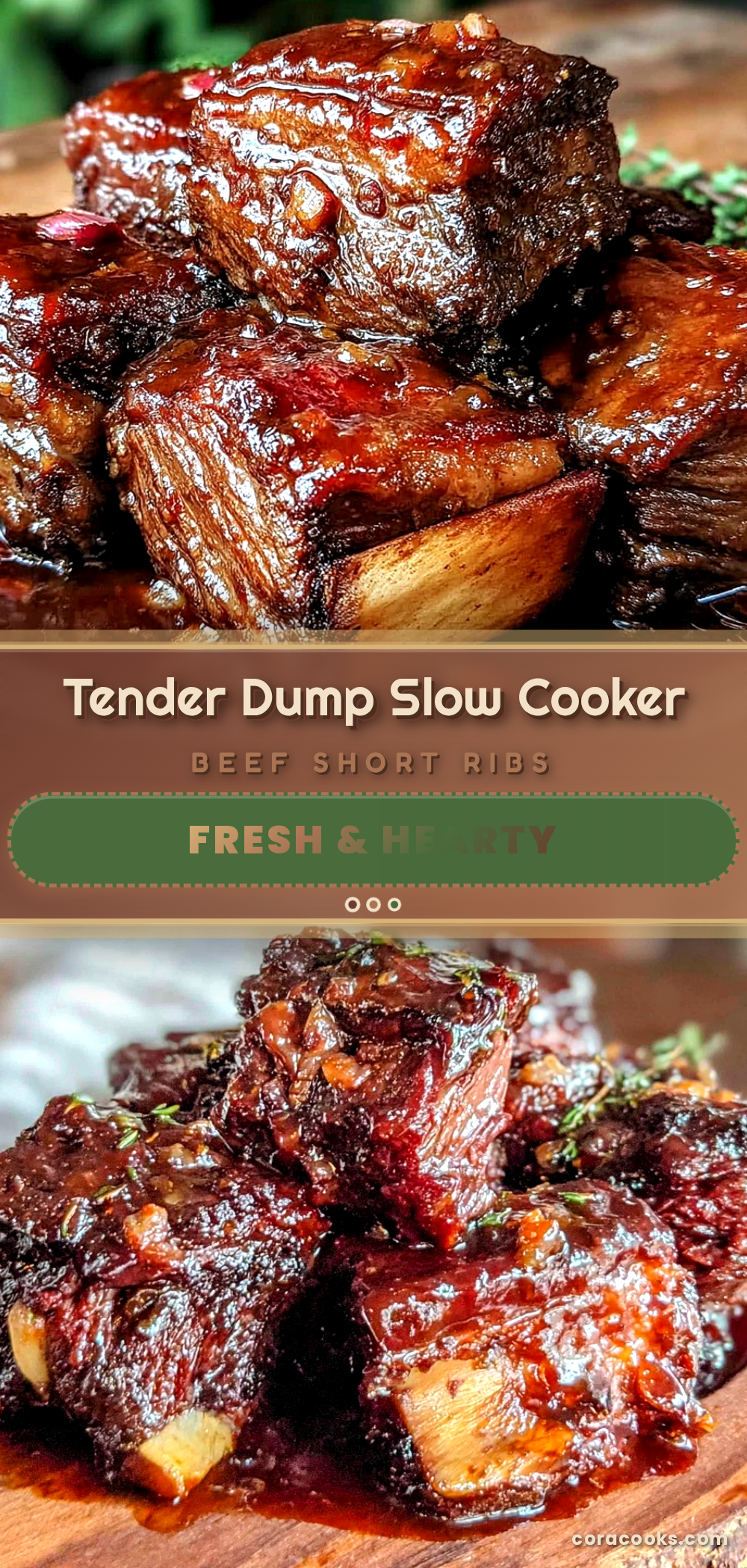
Short Rib Beef
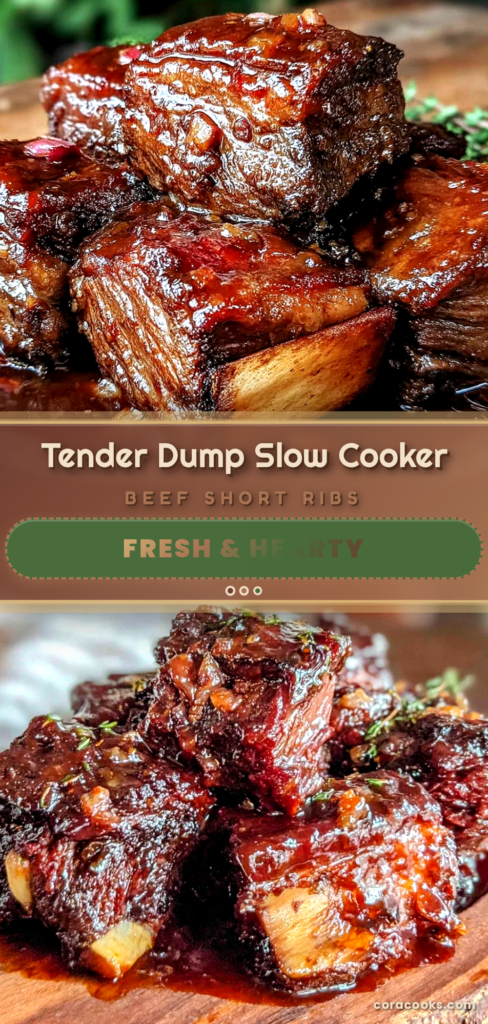
Short Rib Beef braised low and slow in red wine until fork-tender, a deeply savory dinner that turns an inexpensive cut into something luxurious.
🧂 Ingredients
- 4.5 lbs (2 kg) bone-in beef short ribs, English-cut
- 2 tbsp (30 ml) neutral oil, such as canola or grapeseed
- 2 large yellow onions, roughly chopped (about 3 cups)
- 4 medium carrots, cut into 2-inch lengths
- 6 garlic cloves, smashed and left whole
- 2 tbsp (30 g) tomato paste
- 2 cups (480 ml) dry red wine, such as Côtes du Rhône or Zinfandel
- 2 cups (480 ml) beef stock, preferably unsalted
- 2 tbsp (16 g) all-purpose flour
- 4 sprigs fresh thyme and 2 bay leaves
- 1 tbsp (15 ml) Worcestershire sauce
- Kosher salt and black pepper, to taste
📋 Instructions
- 1Season and Rest — Pat the short ribs dry and season generously on all sides with kosher salt and black pepper. Let them sit at room temperature for 30 minutes while you prep the vegetables, or refrigerate overnight and bring them out an hour before cooking.
- 2Sear Hard — Heat the oil in a large Dutch oven over medium-high heat until it shimmers, about 375°F (190°C). Sear the ribs in two batches, 4 to 5 minutes per side, until deeply mahogany and the internal temperature reads 130°F (54°C). You are not cooking them through, only building crust.
- 3Soften the Aromatics — Lower the heat to medium, pour off all but 2 tablespoons of fat, and add the onions and carrots. Cook 6 to 8 minutes, stirring, until the onions turn translucent and the edges of the carrots begin to caramelize.
- 4Bloom the Paste — Stir in the garlic and tomato paste and cook for 90 seconds, until the paste darkens to a brick red and smells sweet rather than raw. Sprinkle the flour over everything and stir for 1 minute to coat.
- 5Deglaze with Wine — Pour in the red wine and scrape the bottom of the pot firmly with a wooden spoon until every brown speck lifts into the liquid. Simmer for 3 to 4 minutes, until the wine reduces by half and the sharp alcohol smell disappears.
- 6Braise Low and Slow — Return the ribs to the pot, add the stock, Worcestershire sauce, thyme, and bay leaves. The liquid should come about two-thirds up the meat, not cover it. Bring to a bare simmer, cover, and transfer to a 325°F (163°C) oven for 2 hours 30 minutes.
- 7Check for Tenderness — Test the ribs at the 2-hour mark by piercing the meat with a paring knife; it should slide in with almost no resistance and the internal temperature should read 200 to 205°F (93 to 96°C). If there is any tug, braise another 20 to 30 minutes.
- 8Reduce the Sauce — Lift the ribs onto a platter and tent with foil. Strain the braising liquid into a saucepan, pressing on the vegetables, then simmer over medium heat for 8 to 10 minutes, until it coats the back of a spoon and bubbles at the edges. Taste and adjust salt.
- 9Serve — Spoon the sauce over the ribs and scatter with fresh thyme. Serve over mashed potatoes, polenta, or egg noodles, with something sharp alongside, like a mustardy green salad or quick-pickled onions.