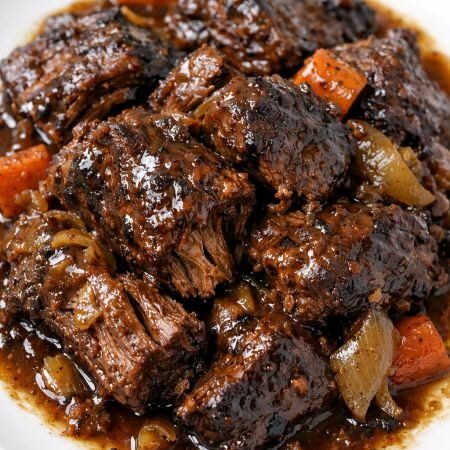
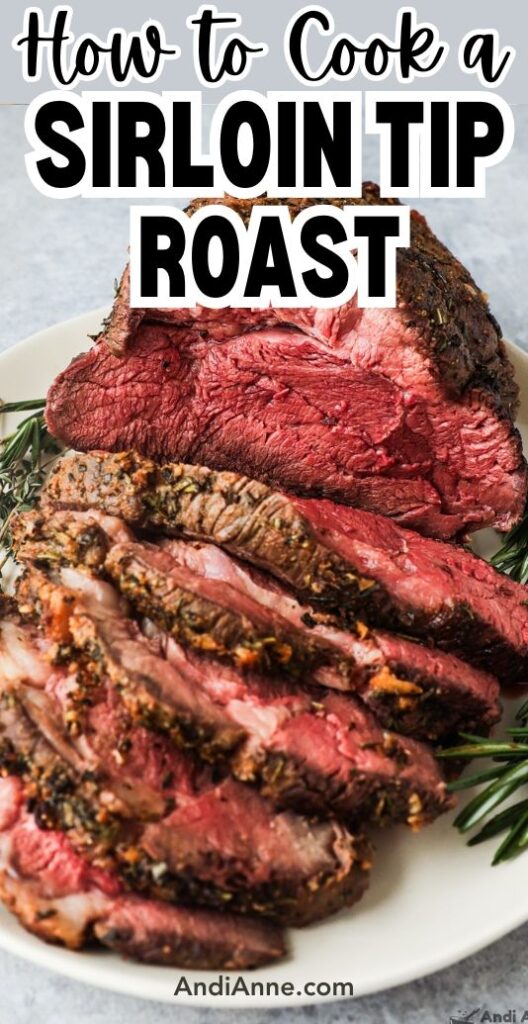
Sirloin tip roast is one of those cuts that sounds fancy but is honestly one of the easiest dinners you can make. It comes from the lean hind leg of the steer, so it has deep beefy flavor with very little fat, which means it slices beautifully for sandwiches and Sunday plates alike.
Advertisements1
The trick is simple: season it well, roast it low, and pull it out before it hits your target temperature, because it keeps climbing while it rests. I roast mine at 325°F (163°C) until the center reads 130°F (54°C) for medium rare, and it comes out tender and pink every time.
If you have ever ended up with a dry, chewy roast, it was almost certainly overcooked, not a bad cut. Let's fix that today with a method you can repeat on any weeknight or holiday.
Why You'll Love This Recipe
About the Ingredients
1 boneless sirloin tip roast, about 3.5 to 4 pounds (1.6 to 1.8 kg)
Look for a roast with a thin even layer of fat on top and fine marbling throughout. If your store only has a tied roast, that works fine, just leave the twine on during cooking.
2 tablespoons olive oil
Any neutral high-heat oil like avocado or canola works here too. Olive oil adds flavor, so use the good stuff if you have it.
4 garlic cloves, finely minced
Fresh garlic beats jarred every time for a roast. If you are out, 1 teaspoon garlic powder mixed into the rub is a fine swap.
1 tablespoon fresh rosemary, finely chopped
Dried rosemary works but use only 1 teaspoon since dried herbs are much stronger. Thyme or oregano are great substitutes.
1 tablespoon kosher salt
Kosher salt flakes are less salty by volume than table salt, so if you only have table salt, cut this to 2 teaspoons.
1 teaspoon freshly cracked black pepper
Crack it yourself if you can, the aroma is noticeably better. Coarse ground pepper also creates a nicer crust than fine dust.
1 teaspoon smoked paprika
Sweet paprika works if you do not want smokiness. This is mostly for color and a subtle warm depth.
1 large yellow onion, quartered
The onion goes under the roast to flavor the drippings for gravy. A halved shallot or a few celery stalks work just as well.
1 cup low-sodium beef broth
Use broth, not water, so the pan juices have real flavor. Chicken broth is a fine backup in a pinch.
2 tablespoons all-purpose flour (optional, for gravy)
Cornstarch works too, use 1 tablespoon mixed with cold water instead. Skip it entirely if you are not making gravy.
Tips & Tricks
Do not skip the rest
a 15 to 20 minute rest lets the juices redistribute, so they stay in the meat instead of flooding your cutting board.
Buy an instant-read thermometer
this single tool is the difference between juicy and dry. Check the thickest part, away from bone or fat.
Season ahead if you can
salting the roast 12 to 24 hours before cooking and leaving it uncovered in the fridge gives you better seasoning and a drier surface that browns faster.
Slice against the grain
sirloin tip has visible muscle fibers, and cutting across them shortens them, which makes every bite more tender.
Pro Tips
Step-by-Step Instructions
1. Preheat and season
Preheat your oven to 450°F (232°C) and place the rack in the middle. Pat the roast completely dry with paper towels, rub it all over with olive oil, then press the garlic, rosemary, salt, pepper, and paprika into every surface.
2. Set up the pan
Scatter the quartered onion in a roasting pan or oven-safe skillet and pour the beef broth around it. Set the roast on top, fat side up, so the fat bastes the meat as it melts.
3. Sear at high heat
Roast uncovered at 450°F (232°C) for 15 minutes. You want the surface deeply golden brown and the kitchen smelling like garlic and rosemary before you turn the heat down.
4. Lower and roast
Reduce the oven to 325°F (163°C) and continue roasting for 50 to 70 minutes, until an instant-read thermometer inserted into the thickest part reads 130°F (54°C) for medium rare or 140°F (60°C) for medium.
5. Rest the roast
Move the roast to a cutting board and tent it loosely with foil. Rest for 15 to 20 minutes. The internal temperature will climb about 5 to 10 degrees, so pull it early.
6. Make quick gravy
While the roast rests, set the pan over medium heat on the stove. Whisk in the flour and cook for 1 minute until it smells toasty, then whisk in any extra broth and simmer 3 to 4 minutes until it coats a spoon.
7. Slice and serve
Cut the roast into 1/4-inch slices against the grain and arrange them on a platter. Spoon the warm gravy over the top and serve right away.
Delicious Variations
Herb Butter Version
swap the olive oil for 3 tablespoons of softened butter mixed with the herbs for a richer crust.
Coffee Rub Version
add 1 tablespoon of finely ground coffee to the rub for a smoky, steakhouse-style flavor.
Slow Cooker Version
sear the roast first, then cook on low for 6 to 7 hours with the broth and onions for shreddable beef.
How to Store How To Cook Sirloin Tip Roast
Refrigerator
Store sliced roast in an airtight container with a spoonful of pan juices for up to 4 days.
Freezer
Wrap slices tightly in foil, then freeze in a zip-top bag for up to 3 months. Thaw overnight in the fridge.
Reheating
Reheat gently at 300°F (149°C) for 10 to 12 minutes covered, or warm slices in a skillet with a splash of broth to avoid drying them out.
Frequently Asked Questions
Q: What temperature should a sirloin tip roast be cooked to?
Pull it at 130°F (54°C) for medium rare or 140°F (60°C) for medium, measured in the thickest part. The temperature will rise another 5 to 10 degrees while it rests, landing you right where you want to be.
Q: Is sirloin tip roast a tender cut?
It is moderately tender, leaner than ribeye but not as tough as chuck. Cooking it low at 325°F (163°C) and slicing it thin against the grain keeps it tender and juicy.
Q: How long do you cook a 4 pound sirloin tip roast?
Plan on about 50 to 70 minutes at 325°F (163°C) after a 15-minute sear at 450°F (232°C). Always trust your thermometer over the clock, since oven calibration varies.
Q: Should I cover a sirloin tip roast while cooking?
Leave it uncovered the whole time so the surface can brown and the crust stays crisp. Covering traps steam and gives you gray, soggy meat instead of a golden exterior.
Q: How do I keep sirloin tip roast from drying out?
Do not overcook it, and always let it rest for 15 to 20 minutes before slicing. Resting lets the juices settle back into the meat instead of running out onto the board.
Give this sirloin tip roast a try this weekend and let the thermometer be your guide, not the timer. Once you nail that 130°F (54°C) pull, you will never fear a beef roast again. One small step: buy an instant-read thermometer before your next roast and taste the difference immediately. Small steps, big change.
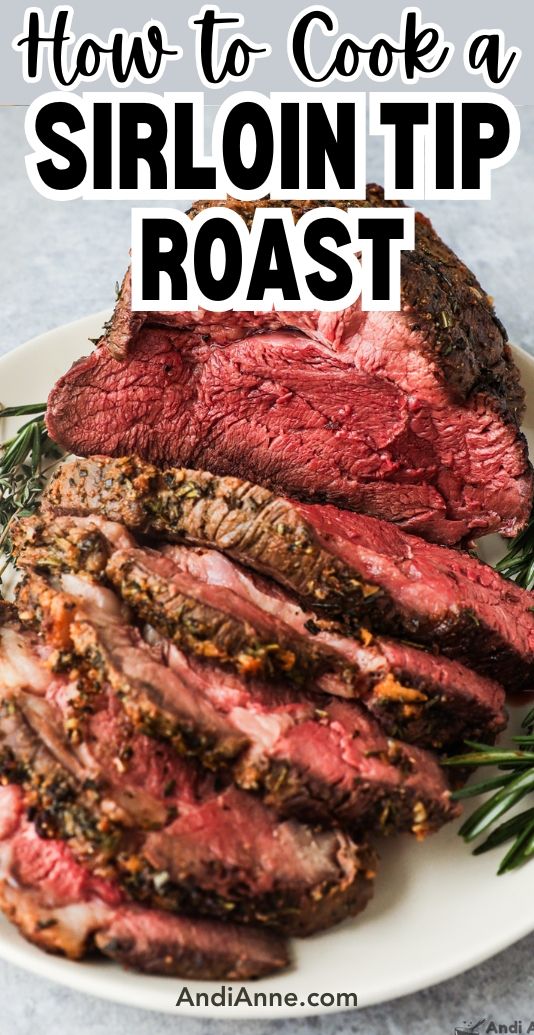
How To Cook Sirloin Tip Roast
Sirloin tip roast cooked low and slow gives you juicy, sliceable beef with a garlic herb crust every single time.
🧂 Ingredients
- 1 boneless sirloin tip roast, about 3.5 to 4 pounds (1.6 to 1.8 kg)
- 2 tablespoons olive oil
- 4 garlic cloves, finely minced
- 1 tablespoon fresh rosemary, finely chopped
- 1 tablespoon kosher salt
- 1 teaspoon freshly cracked black pepper
- 1 teaspoon smoked paprika
- 1 large yellow onion, quartered
- 1 cup low-sodium beef broth
- 2 tablespoons all-purpose flour (optional, for gravy)
📋 Instructions
- 1Preheat and season — Preheat your oven to 450°F (232°C) and place the rack in the middle. Pat the roast completely dry with paper towels, rub it all over with olive oil, then press the garlic, rosemary, salt, pepper, and paprika into every surface.
- 2Set up the pan — Scatter the quartered onion in a roasting pan or oven-safe skillet and pour the beef broth around it. Set the roast on top, fat side up, so the fat bastes the meat as it melts.
- 3Sear at high heat — Roast uncovered at 450°F (232°C) for 15 minutes. You want the surface deeply golden brown and the kitchen smelling like garlic and rosemary before you turn the heat down.
- 4Lower and roast — Reduce the oven to 325°F (163°C) and continue roasting for 50 to 70 minutes, until an instant-read thermometer inserted into the thickest part reads 130°F (54°C) for medium rare or 140°F (60°C) for medium.
- 5Rest the roast — Move the roast to a cutting board and tent it loosely with foil. Rest for 15 to 20 minutes. The internal temperature will climb about 5 to 10 degrees, so pull it early.
- 6Make quick gravy — While the roast rests, set the pan over medium heat on the stove. Whisk in the flour and cook for 1 minute until it smells toasty, then whisk in any extra broth and simmer 3 to 4 minutes until it coats a spoon.
- 7Slice and serve — Cut the roast into 1/4-inch slices against the grain and arrange them on a platter. Spoon the warm gravy over the top and serve right away.

Maya writes about sustainable living and zero-waste practices, focusing on small, actionable changes for everyday life. She shares practical tips on reducing plastic, saving energy, and making eco-friendly choices without overwhelming readers.